
Фітынгі для гідраўлічных шлангаў З'яўляюцца ключавым кампанентам у гідраўлічных сістэмах, забяспечваючы належную перадачу вадкасці пад ціскам. У некаторых выпадках адкручванне фітынгаў шлангаў бывае складаным. Гэта часта выклікана зносам, іржой і назапашаным ціскам. Гэты артыкул дае крокі для Аслабіць фітынгі гідраўлічнага шланга бяспечна і эфектыўна, забяспечваючы мінімальныя пашкоджанні вашай сістэмы і пазбягаючы дарагіх рамонтаў або няшчасных выпадкаў.
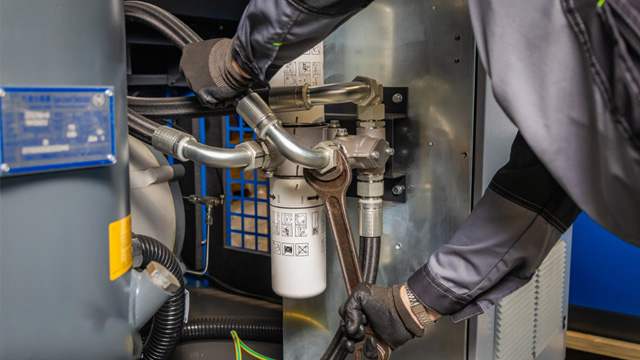
Што такое фітынгі для гідраўлічных шлангаў?
Фітынгі для гідраўлічных шлангаў з'яўляюцца ключавымі кампанентамі ў розных прамысловых галінах, якія забяспечваюць належны ўзровень гідраўлічнай вадкасці ў сістэме. Важна правільна абслугоўваць і выкарыстоўваць гэтыя фітынгі, каб прадухіліць праблемы з эксплуатацыяй і падоўжыць тэрмін службы абсталявання.
Што рабіць перад тым, як аслабляць фітынгі
Тэхніка бяспекі
Няма нічога важнейшага за бяспеку. Пачніце з адключэння гідраўлічнай сістэмы і зняцця назапашанага ціску. Вадкасць пад высокім ціскам можа прывесці да сур'ёзных траўмаў. Па гэтай прычыне гэты крок вельмі важны. Абавязкова апранайце ахоўныя акуляры і пальчаткі, каб абараніць вочы і рукі. Абавязкова пераканайцеся, што ў зоне добра пранікае паветра, асабліва пры нанясенні пранікальнага алею або цяпла.
Інструменты і абсталяванне
Перад пачаткам пераканайцеся, што ў вас ёсць патрэбныя інструменты. Асноўныя інструменты і абсталяванне ўключаюць разводныя ключы, абцугіі набор гідраўлічных гаечных ключоў.
Гаечныя ключы і абцугі дапамогуць вам захапіць і павярнуць фітынгі шлангаў, не пашкодзіўшы іх. Трубны ключ таксама можа спатрэбіцца для больш буйных фітынгаў. Калі фітынгі захраслі, слоік пранікальнага алею стане выратаваннем. Ён дапамагае аслабіць іржу або смецце, якія могуць утрымліваць рэчы на месцы. У складаных сітуацыях або ў выпадках захрасання выкарыстанне цеплавой гарэлкі або невялікай пропанавай гарэлкі можа пашырыць метал, тым самым палягчаючы паслабленне.
Вызначце тып і памер:
Вызначце дакладны тып фітынга (напрыклад, JIC, ORFS або NPT); гэта вызначае адпаведныя інструменты і метады.
Праверце на наяўнасць пашкоджанняў або карозіі:
Пачніце з візуальнага агляду: звярніце ўвагу на наяўнасць прыкмет зносу, іржы або карозіі, бо яны могуць абцяжарыць адкручванне фітынга і сведчыць аб неабходнасці дадатковага догляду. Калі відавочных праблем не выяўлена, правядзіце фізічны агляд. Прамацвайце паверхню на наяўнасць шурпатасцяў або дэфармацый, бо яны могуць сведчыць аб пашкоджаннях, якія не бачныя. Гэта дапаможа забяспечыць больш поўную ацэнку.
Аслабленне гідраўлічных фітынгаў: пакрокавае кіраўніцтва
Зняцце ціску з гідраўлічнай сістэмы
Не дакранайцеся да фітынгаў шлангаў, пакуль ціск у гідраўлічнай сістэме не будзе скінуты. Гэты крок важны для вашай бяспекі. Цалкам выключыце гідраўлічную сістэму. Затым адкрыйце клапан скіду ціску, каб выпусціць назапашаны ціск. Вы можаце пачуць звычайны свіст уцечкі паветра.
Нанясенне змазак і пранікальных алеяў
Выкарыстанне змазак і пранікальных алеяў значна палягчае паслабленне фітынгаў гідраўлічных шлангаў. Яны працуюць, разбураючы іржу і карозію. Пасля знікнення ціску агледзьце фітынгі шлангаў. Калі яны выглядаюць іржавымі або захраслымі, вазьміце слоік пранікальнага алею. Добра вышмаруйце фітынг алеем, а затым дайце яму папрацаваць 10-15 хвілін, перш чым спрабаваць паслабіць яго. Гэта дасць алею час разбурыць іржу або смецце. Для дасягнення лепшых вынікаў некалькі разоў лёгка пастукайце па фітынгу гаечным ключом — гэта дапаможа алею ўвабрацца і аслабіць іржу.
Аслабленне захраслых фітынгаў
Выкарыстанне цяпла
Калі пранікненне алею не дапамагае аслабіць фітынг, яго можна вызваліць, нагрэўшы яго. Выкарыстоўвайце цеплавую гармату або невялікую пропановую гарэлку, каб разагрэць фітынг. Цяпло прымушае метал пашырацца, што палягчае яго адкручванне. Пастаянна перамяшчайце крыніцу цяпла, каб пазбегнуць перагрэву і пашкоджання якой-небудзь асобнай кропкі. Пасля нагрэву паспрабуйце аслабіць фітынг гаечным ключом.
Выкарыстанне механічных інструментаў — гаечных ключоў або абцугоў
Выберыце гаечны ключ або абцугі, якія шчыльна прылягаюць да фітынга. Прыкладвайце пастаянны ціск, а не рэзкія рухі. Калі фітынг супраціўляецца, перамясціце інструмент для лепшага счаплення.
Барацьба з упартай, моцна захраслай арматурай
Для фітынгаў, якія затрымаліся, вам, верагодна, спатрэбяцца складаныя метады зняцця. Адзін з варыянтаў - выкарыстоўваць ломачную планку для дадатковага рычага. Іншы - спалучаць цяпло і пранікальнае масла для максімальнага эфекту. Нічога іншага не дапамагло? Падумайце аб выкарыстанні гідраўлічнага здымніка або больш прафесійных інструментаў, як паказана ніжэй:
Гідраўлічныя здымнікі: Гэтыя гідраўлічныя здымнікі, або экстрактары, прызначаны для вымання іржавых фітынгаў з дапамогай плаўнага, раўнамернага націску, каб нічога не пагнулася і не зламалася. Прымацуйце здымнік да фітынга і выкарыстоўвайце яго ў адпаведнасці з інструкцыямі вытворцы. Гэтыя здымнікі сапраўды працуюць, асабліва калі фітынг моцна іржавее або прыліп да шланга, як быццам ён прыклеены.
Інструменты ўдару: Пнеўматычныя ўдарныя інструменты выкарыстоўваюць сціснутае паветра для стварэння высокага крутоўнага моманту і вібрацыі, і гэта можа дапамагчы разарваць сувязь паміж іржай і карозіяй. Прымацуйце ўдарны інструмент да фітынга і выкарыстоўвайце кароткія, кантраляваныя ўдары. Электрычныя ўдарныя інструменты падобна пнеўматычным інструментам, электрычныя ўдарныя інструменты забяспечваюць высокі крутоўны момант і вібрацыю.
Рэзка фітынга: Калі нічога іншага не дапаможа, магчыма, вам прыйдзецца адрэзаць фітынг — гэта можа быць адзіным спосабам яго аслабіць. Гэта варта разглядаць як крайнюю меру з-за незваротнага характару рэзання. Выкарыстоўвайце трубарэз, нажоўку або сабельную пілу. Выбіраючы інструмент, улічвайце матэрыял фітынга і дэталі побач з ім — такім чынам вы выпадкова не зачапіце і не пашкодзіце што-небудзь яшчэ. Не спяшайцеся правільна выраўнаваць разак або пілу — такім чынам вы акуратна прарэжаце фітынг і не пашкодзіце шланг або іншыя дэталі вакол яго. Вельмі важна трымаць рукі ўпэўнена і рабіць павольны, кантраляваны рух рэзання. Адрэз фітынга можа прадстаўляць небяспеку для бяспекі.
Распаўсюджаныя небяспекі, якіх варта пазбягаць падчас працэсу сыпучай апрацоўкі
Адна з найбольшых небяспек — прапуск этапу зняцця ціску.
Ніколі не аслабляйце фітынгі шлангаў у сістэме пад ціскам.
Акрамя таго, пазбягайце празмернага прымянення сілы. Калі фітынг не зрушваецца з месца, не забівайце яго малатком або не выкарыстоўвайце самаробныя інструменты. Гэта можа пашкодзіць фітынг або навакольныя кампаненты.
Добра падрыхтаваўшыся і захоўваючы пільнасць, вы зможаце пазбегнуць найбольш распаўсюджаных памылак і выканаць працу бяспечна.
Тыповыя памылкі, якіх варта пазбягаць пры аслабленні фітынгаў гідраўлічных шлангаў
Аслабленне фітынгаў гідраўлічных шлангаў можа здацца простым, але распаўсюджаныя памылкі могуць прывесці да пашкоджанняў або небяспечных сітуацый. Вось чаго варта пазбягаць:
Найбольш небяспечная памылка — забыцца скінуць ціск у сістэме. Заўсёды пераканайцеся, што сістэма цалкам скінута з ціску перад запускам.
Выкарыстанне няправільнага ключа можа пашкодзіць фітынг або сапсаваць разьбу, што ўскладніць яго зборку або прывядзе да ўцечак.
Гідраўлічныя фітынгі павінны быць зацягнуты з пэўным крутоўным момантам. Залішняе зацягванне можа пашкодзіць фітынг або выклікаць уцечкі пад высокім ціскам.
У заключэнне
Зняцце фітынгаў гідраўлічных шлангаў не заўсёды простае, але калі вы выкарыстоўваеце правільны падыход і маеце адпаведныя інструменты, вы можаце зрабіць гэта бяспечна і хутка. Выконвайце дзеянні, апісаныя ў гэтым кіраўніцтве: скіньце ціск у сістэме, выкарыстоўвайце адпаведныя інструменты і прымайце неабходныя меры бяспекі. Такім чынам, вы можаце паменшыць пашкоджанне шланга, фітынгаў і ўсяго, што знаходзіцца побач.
Калі вам патрэбныя высакаякасныя гідраўлічныя шлангі і фітынгі, якія забяспечаць бесперабойную працу вашай сістэмы, звяртайцеся ў Sinopulse. Мы прапануем шырокі асартымент гідраўлічных фітынгаў для шлангаў, распрацаваных у адпаведнасці з самымі строгімі галіновымі стандартамі. Звяжыцеся з намі сёння, каб даведацца больш пра нашу прадукцыю і пра тое, як мы можам дапамагчы вам з вашымі патрэбамі ў гідраўлічнай сістэме.