

Hydraulic Hoses for Various Applications
Hydraulic hoses transmit hydraulic fluid under pressure to actuate machinery and equipment.
Constructed with reinforced materials, they are designed to handle high pressures and provide flexibility in tight spaces. Regular inspection and maintenance are vital to prevent failures and ensure system efficiency.
Sinopulse offers a broad selection of hydraulic hoses suitable for various applications.
Our product range includes general hydraulic hose, special application, pressure wash, push-on, Teflon, and thermoplastic hoses. Whether you require high-pressure lines, suction hoses, or return hoses, we provide high-quality products that meet—and often exceed—SAE and industry standards.
Our hydraulic hoses are engineered for high performance and durability, delivering reliable fluid power under the toughest conditions. Designed to withstand extreme pressures, temperatures, and demanding applications, they ensure smooth operations and long-lasting efficiency.
Furthermore, we offer ultra-flexible, high-temperature-resistant, and low-temperature-resistant solutions to meet the diverse needs of our clients. Choose Sinopulse for high-quality spiral hoses and fittings that deliver reliable, leak-proof performance—even in extreme-pressure applications.
All products are available in bulk (with 1/2-inch, 3/8-inch, and 1/4-inch hydraulic hoses being our most frequently sold sizes), cut to custom lengths upon request, or supplied as complete assemblies including all necessary fittings. Should you have any questions, please contact us or visit our Hydraulic Catalog to view our complete list of hydraulic products.
General Hydraulic Braided Hoses
The name "braided hose" comes from the steel reinforcement in its construction. Braided hydraulic hoses most commonly come in 1-wire and 2-wire types, offering superior pressure resistance, excellent temperature resistance, and a smaller bending radius. They are either isobaric (same pressure in all sizes) or variable pressure hoses (decreasing pressure as the size increases). These hoses achieve a perfect combination of durability, performance, and flexibility, making them suitable for conveying oil, water-based fluids, and general industrial fluids under harsh conditions, or for transporting specialty products. Conveying petroleum-based hydraulic fluids, gasoline, water, diesel fuels, lubricating oils, biodegradable hydraulic oil, and fire-resistant synthetic polyesters.

One-wire braided hose, its operating parameters go from -40°F to +302°F—that's -40°C to +100 °C (intermittent 120 °C). And it comes in inside diameters of ¼” to 2”, depending on the grade. Meets SAE 100R1.

Two-wire rubber braided hoses are essential for all kinds of equipment and applications with wide medium-high operating pressures and operating temperatures of -70°F to +302°F. They come in inside diameters of ¼” to 2”, depending on grade. And they meet SAE100R2, 2SN, 2SC.
General Hydraulic Spiral Hoses
Spiral hydraulic hoses are robust and engineered to withstand high pressure. Constructed from synthetic rubber or AQP elastomer, they are available in 4- and 6-wire spiral construction. they prove exceptionally versatile and dependable across markets such as construction, agriculture, mining, forestry, off-highway operations, and high-performance applications. They maintain durable, long-lasting performance even under the most demanding working conditions. Our standard models comply with R12, R13, and R15 standards, while our premium models exceed these benchmarks.

4-wire spiral hydraulic hoses are great for high-pressure applications, conveying oil and water-based fluids, and lubricating systems. With operating temperatures of -40°F to +302°F, 4-wire spiral hoses are available in inside diameters of ⅜-2", depending on grade. They are built to handle pressures up to 6,500 psi. Meets SAE 100R12, EN 856 4SP,4SH.

6-wire spiral hydraulic hoses will get to work for the application, and can handle any type of hydraulic higher pressures and need extreme strength reliability application. Built to handle pressures up to 6,500 psi and up to 1 ¼”- 2 inches in diameter. Operates within temperatures of -40°F to +302°F.
Special Application Hoses
Special application hoses mainly supply hydraulic systems with petroleum- or water- or glycol-based fluids, and for fuel and lubricating oils.

The harsh environmental conditions of Cementing & Mud Hose is the solution for cementing operations to connect the high-pressure cementing pump to the cementing head. Working well in the drilling fields required high-quality products, safety, reliability, and durability. High abrasion resistance inner tube special compound. And it is easy and faster to install compared to the iron pipe hoses.

Rotary hoses are designed for land and offshore drilling rig applications. It features a robust and highly flexible construction, with an oil and drilling mud resistant synthetic rubber tube, multiple layers of spiraled high tensile steel wire reinforcement, and an abrasion-, ozone, and hydrocarbon resistant synthetic rubber cover.

The Kelly hose or Kelly line connecting the standpipe to the swivel is made of a special NBR tube, two layers of spiral steel cables and an abrasion-resistant cover. High-pressure rotary hose for slim-hole, seismograph, work-over, or portable drilling rigs. For use with small to medium-blast, water-well, or shot-hole drilling applications
Pressure Wash Hoses
Pressure wash hoses can ensure reliable water flow, strength, and flexibility. Sinopulse provides professional-grade hoses designed for hot and cold water systems, high PSI applications, and non-marking use.

Pressure wash equipment where maximum abrasion or oil/fat resistance is required. Many of the hoses we supply are non-marking so they don't leave skid marks on surfaces and wire-braided for extra strength, enabling them to withstand extreme pressure.

Waterblast hose are compact, lightweight, and flexible; designed specifically for extreme high pressure water-blasting applications. Construction includes four to six high tensile steel spirals and a synthetic rubber tube with a high temperature, ozone, and abrasion-resistant cover. Continuous service temperature between 14°F to 158°F. The maximum operating temperature range is -40°F to +200°F.
Push-On hoses
Our push-on hoses convey air, water, gasoline, and lubricants. Whether in the automotive or industrial sectors, our solutions effortlessly meet the demands of a wide range of applications. Constructed from durable synthetic rubber and polyester braiding, these high-performance hoses are designed to satisfy specific requirements for abrasion and scratch resistance.

Push-on air hose is special rubber hose with a 300 PSIG working pressure rating. It is constructed with a rubber tube and cover and textile reinforcement. The textile reinforcement on our push-on air hose is applied at a special bias angle that allows the use of push-on or “push-lok” metallic fittings. These barbed fittings are inserted into the hose and are securely engaged by the hose and reinforcing. Clamps or crimping equipment is not needed. Push-On hoses could convey petroleum based hydraulic fluids, gasoline, water, diesel fuels and lubricating oils.
Teflon hoses
Available in smooth bore and convoluted, Sinopulse’ braided stainless steel PTFE hose meets SAE 100R14 requirements and is optimized for maximum flexibility. All stainless steel Teflon PTFE hose is designed to convey various chemicals; applications include food and beverage, steam, compressor discharge, automotive and air brakes.

Steam, chemical, automotive, food processing, pharmaceutical and petroleum based hydraulic fluids

High-temp oil, high temp water, steam, strong acid, strong alkali, petroleum, diesel, gasoline, chemicals, food, medicine, glue & other fluids.
Thermoplastic Hose
Thermoplastic hose is lightweight, durable, and versatile and comes in even the longest lengths. Its pressure threshold ranges from medium to very high pressures. Applications include special equipment, forklifts, construction, chemical and gas, automotive, and subsea. Available in conductive and non-conductive options as well as twin-line hoses. Nonconductive and twin-line thermoplastic hoses are ideal for applications that include the use of aerial devices such as forklifts and boom trucks, where there is limited space and potential for electric shock.

Recommended for medium pressure hydraulic lines, lubrication, medium pressure gas, and solvent.

Hydraulic and pneumatics, forklift, lubrication, fire resistant fluids, material handling, robotics

Hydraulic where high-voltage exposure is possible, forklift, lubrication, material handling, robotics


Low-temperature, forklift, construction, general hydraulics, chem/gas, lubrication, hydraulic tools, machine tools

Forklift, construction, general hydraulics, chem/gas, lubrication, hydraulic tools, machine tools

Hydraulics requiring electrical isolation, utility, rescue tools, aerial equipment

Sewer Jetting Hose series is designed for water applications in the commercial, industrial, and residential high-pressure cleaning field
Low Pressure Hydraulic Hoses
Low-pressure suction and return lines primarily feature rubber composition. Applications for suction and return lines are low pressure (150 psi - 1000 psi), which include the conveyance of hydraulic fluids, petroleum, fuel, lubricating oils, gasoline, and water.

For hydraulic return and suction applications, Sinopulse provides Suction & Return hoses. These hoses are designed with a robust wire or textile reinforcement to support vacuum and low-pressure return lines in hydraulic systems.
Automotive hose
Designed to meet the rigorous standards of the transportation industry, these hoses provide superior performance in fuel, air, coolant, and hydraulic systems. With flexible construction and enhanced durability, our automotive hoses are built to withstand vibration, extreme temperatures, and harsh operating conditions, ensuring reliable operation in on-road and off-road vehicles.

Designed for use with gasoline, methanol, ethanol, and diesel fuel in automotive applications such as fuel filler neck, fuel tank vent and exhaust hose.
Transport gaseous and liquid refrigerants (such as R134a, R1234yf, etc.) in air conditioning systems in cars and refrigeration units

transfer glycol-based coolants to and from the radiator as well as through other components in the vehicle's coolant system.
Choose hose by size
Products featuring the most commonly used hose inner diameters, operating temperatures, and pressure ratings. You can quickly browse various models ranging from ¼” to 2” and view their corresponding SAE standards (e.g., SAE 100R1, SAE 100R2).

How To Select the Right Hydraulic Hose
I am Sinopulse—an expert from a specialized hydraulic hose manufacturer in China—and I am here to guide you on how to select the right hydraulic hose. An incorrect choice can lead to excessive heat buildup within the hydraulic system, pressure loss, or even prevent the system from functioning properly. In reality, selecting a hose is quite simple; you just need to remember one acronym: S.T.A.M.P.E.D. Each letter in this acronym represents a key criterion to consider, helping you make your selection more quickly and efficiently.
"S" stands for Size. When selecting a hose, the specifications regarding its inner diameter, outer diameter, and length are critically important.
| Dash No. | All hoses except A/C and transportation | Transportation and A/C Hoses Only |
| -4 | 1/4” | 3/16” |
| -5 | 5/16” | 1/4” |
| -6 | 3/8” | 5/16” |
| -8 | 1/2” | 13/32” |
| -10 | 5/8” | 1/2” |
| -12 | 3/4” | 5/8” |
| -16 | 1” | 7/8” |
| -20 | 1 1/4” | 1 1/8” |
| -24 | 1 1/2” | 1 3/8” |
| -32 | 2” | 1 13/16” |
"T" stands for Temperature. You must select a hose capable of withstanding the specific minimum and maximum temperatures determined by both the fluid being conveyed and the surrounding environmental conditions of the system. Common inner diameter (ID) sizes range from 1/4 inch to 2 inches, with larger sizes available for specialized applications.
"A" stands for "Application." It refers to where the hose will be used and what substances it will be used to convey. If the environmental conditions involve excessive abrasion, an abrasion-resistant hose must be selected. Similarly, for environmental conditions characterized by high or low temperatures, an appropriate hose suited to those specific conditions should be chosen.
| Industry | Description | Typical Applications | Recommended Hose Type |
| Construction | Designed to deliver reliable hydraulic power in heavy-duty and high-load environments | Excavators, loaders, cranes, lifting and digging systems. | Hydraulic Rubber Hose, Thermoplastic Hose |
| Agriculture | Engineered for the flexible and efficient operation of hydraulic systems in farming equipment | Tractors, harvesters, steering systems, lifting, and attachment control | Hydraulic Rubber Hose |
| Mining | Built to perform under extreme pressure and abrasive working conditions | Drilling machines, crushers, material conveying systems | Hydraulic Rubber Hose, Stainless Steel Hose |
| Manufacturing | Supports precision control and continuous operation in industrial automation systems | Injection molding, metal forming, robotics, industrial production lines | Thermoplastic Hose, PTFE Hose |
| Aerospace | Provides high-performance fluid transfer under critical and high-temperature conditions | Landing gear, wing control, braking systems | PTFE Hose, Stainless Steel Hose |
| Automotive | Ensures stable and efficient hydraulic performance in vehicle systems | Power steering, braking systems, suspension systems | Hydraulic Rubber Hose |
| Marine | Developed to resist corrosion and operate reliably in harsh marine environments | Steering systems, winches, lifting equipment, offshore applications | Stainless Steel Hose, Hydraulic Rubber Hose |
"M" stands for Material—specifically, the hose material. The hose you select must be compatible with all associated equipment, whatever fluid is passing through it, and the external environment surrounding the hose. If you have any doubts regarding the hose's external material, you can consult the hose's Chemical Resistance Table to verify its compatibility with the specific type of fluid being conveyed and its overall chemical resistance.
| Material Type | Key Features | Typical Applications |
| Hydraulic Rubber Hose | Good flexibility, high strength, excellent resistance to abrasion, oil, and weather | General hydraulic systems, construction machinery, industrial equipment |
| Hydraulic Thermoplastic Hose | Lightweight, flexible, excellent chemical resistance, suitable for low temperature and high-pressure conditions | Mobile equipment, high-pressure applications, cold environments |
| Teflon (PTFE) Hose | PTFE inner tube, outstanding chemical resistance, wide temperature range | Chemical transfer, aggressive fluids, high-temperature applications |
| Stainless Steel Hose | High temperature resistance, excellent corrosion resistance, durable in extreme conditions | Extreme environments, corrosive media transfer, high-temperature fluid handling |
"P" stands for pressure; specifically, you must ensure that the rated pressure of the hose you select exceeds the operating pressure of the connected system. Additionally, you need to verify that you have chosen the appropriate reinforcement material, as different reinforcement materials are rated for different operating pressures. You can identify the internal reinforcement material by examining a cross-section of the hose or by peeling back a portion of the outer rubber layer; this will allow you to determine whether the reinforcement consists of braided steel wire or spiral-wound steel wire.
"E" stands for "Ends." These connectors—also referred to as hydraulic fittings or hydraulic couplings—are installed at the extremities of a hose to establish a connection between the hose and the equipment.
"D" stands for "Delivery." This parameter indicates the flow rate of the hose. The required flow rate determines the necessary internal diameter of the hose; the internal diameter must be sufficiently large to minimize pressure loss and to prevent hose damage caused by excessive flow velocity.
The above covers the key specifications for hoses—specifically thickness, size, temperature, application, material, pressure, ends, and delivery—encapsulated by the acronym S.T.A.M.P.E.D. This framework serves as the most effective method for selecting the optimal hose for your needs.
Sinopulse hydraulic hose
Hydraulic hoses deliver flexible, high-performance fluid conveyance solutions for industrial and mobile hydraulic systems.
Our inventory includes a broad selection of hose types engineered to handle high pressure, dynamic movement, and demanding operating environments, with options suited for standard, heavy-duty, and specialty applications. Each hydraulic hose is designed for strength, flexibility, and resistance to abrasion, ozone, and fluid compatibility challenges, helping ensure dependable performance and long service life.
Whether building new hydraulic circuits or servicing existing equipment, the right hose selection is critical to maintaining system efficiency, reducing downtime, and minimizing leaks. Sinopulse produces a range of hydraulic hoses in multiple profiles, pressure ratings, and lengths to meet diverse application requirements. Supported by technical expertise and quick production, these hydraulic hose solutions help keep your fluid power systems operating reliably under pressure and motion.
Related Product
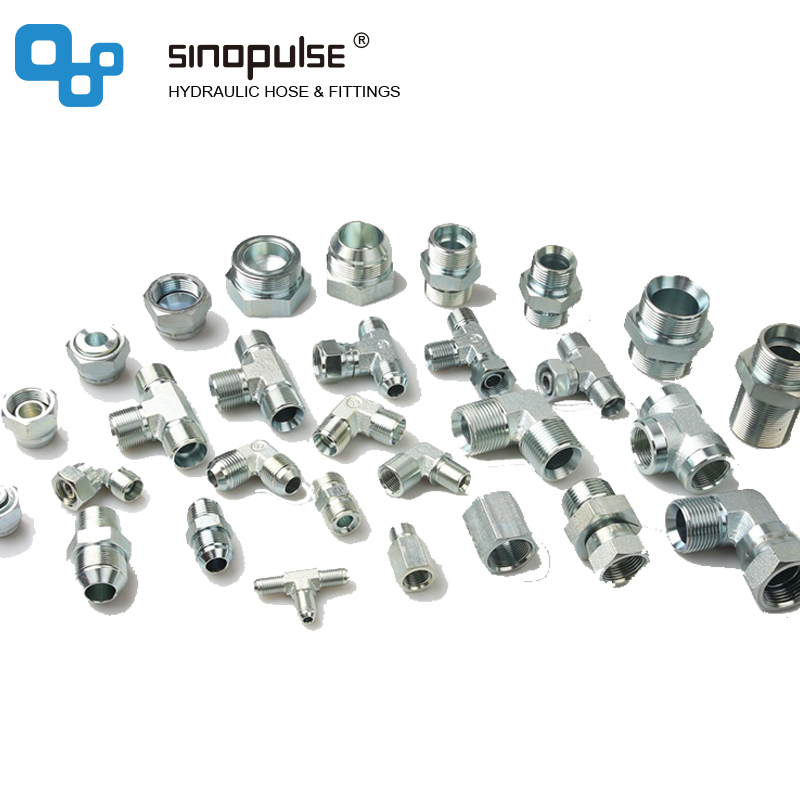
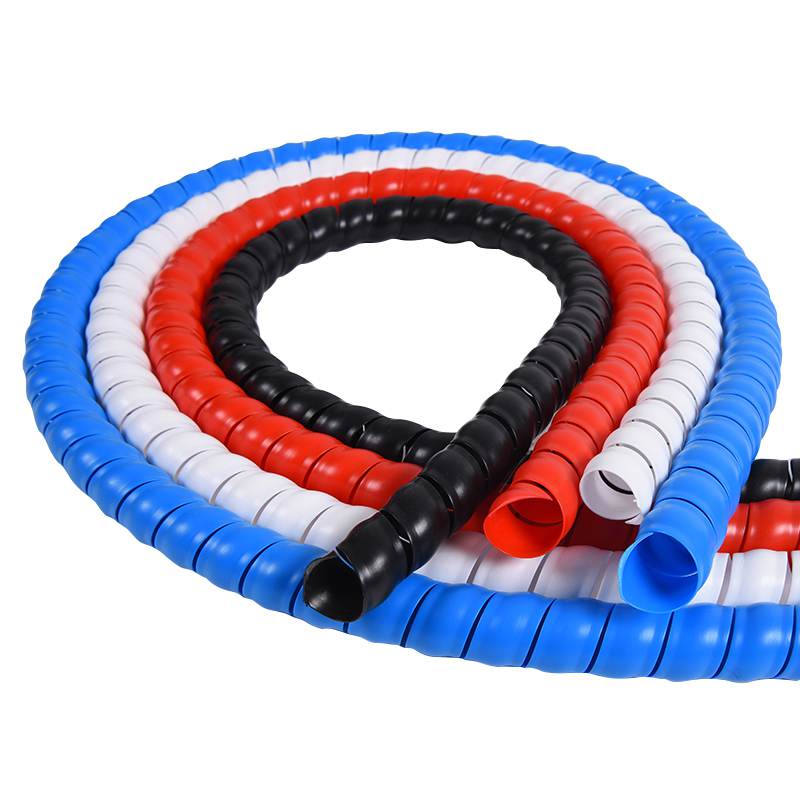
Sinopulse manufactures not only hydraulic hoses but also thousands of hydraulics products, including couplings, stainless adapters, hose end fittings, protection sleeves, and hose crimpers.



Hydraulic Hose FAQ
How To Identify a Cheap, Low-Grade Hydraulic Hose?
You can check the label on the hose; if it lacks the MSHA IC-252/00 marking, it indicates that the hose utilizes lower-grade steel and rubber materials.
What types of hydraulic hoses are available?
We offer a wide variety of suction hoses, return hoses, pressure hoses, and thermoplastic hoses in various sizes, pressure ratings, and constructions. Our inventory includes hoses that meet SAE standards, such as 100R1, 100R2, 100R4, and others.
Are there any companies near me that manufacture hydraulic hoses?
We are! Please contact your local HSC branch or browse our hydraulic hose inventory online. Shopping online or visiting a store location are both highly convenient options.
What is the difference between suction, return, and pressure hoses?
Suction hoses draw fluid into a pump under vacuum or low-pressure conditions;
Return hoses convey fluid back to the reservoir under low-to-medium pressure conditions;
Pressure hoses deliver fluid to valves, cylinders, or motors under high-pressure conditions.
Can I order custom hydraulic hose assemblies?
Yes. We offer custom hydraulic hoses that can be cut to your specific length requirements and fitted with the appropriate connectors. You can place your order online or have the assembly built on-site at any of our Solution Centers.
Are these hoses compatible with my equipment?
Most of our hoses are compatible with standard hydraulic systems found in construction, mobile equipment, and industrial applications. Our team is available to assist you with matching and cross-referencing to ensure proper sizing and functionality.