
Memilih selang hidrolik yang benar Sangat penting untuk memastikan umur panjang dan kinerja sistem hidrolik Anda. Baik Anda bekerja di aplikasi apa pun, memilih selang yang tepat dapat mencegah waktu henti yang mahal dan meningkatkan efisiensi. Saat memilih selang hidrolik, gunakan akronim PRANGKO(ED) sebagai panduan Anda untuk menentukan karakteristik penting dan krusial dari sebuah selang.
Untuk memastikan Anda memilih yang tepat selang hidrolik, Ikuti panduan praktis ini. Ini akan membantu Anda membuat pilihan yang tepat dan percaya diri.
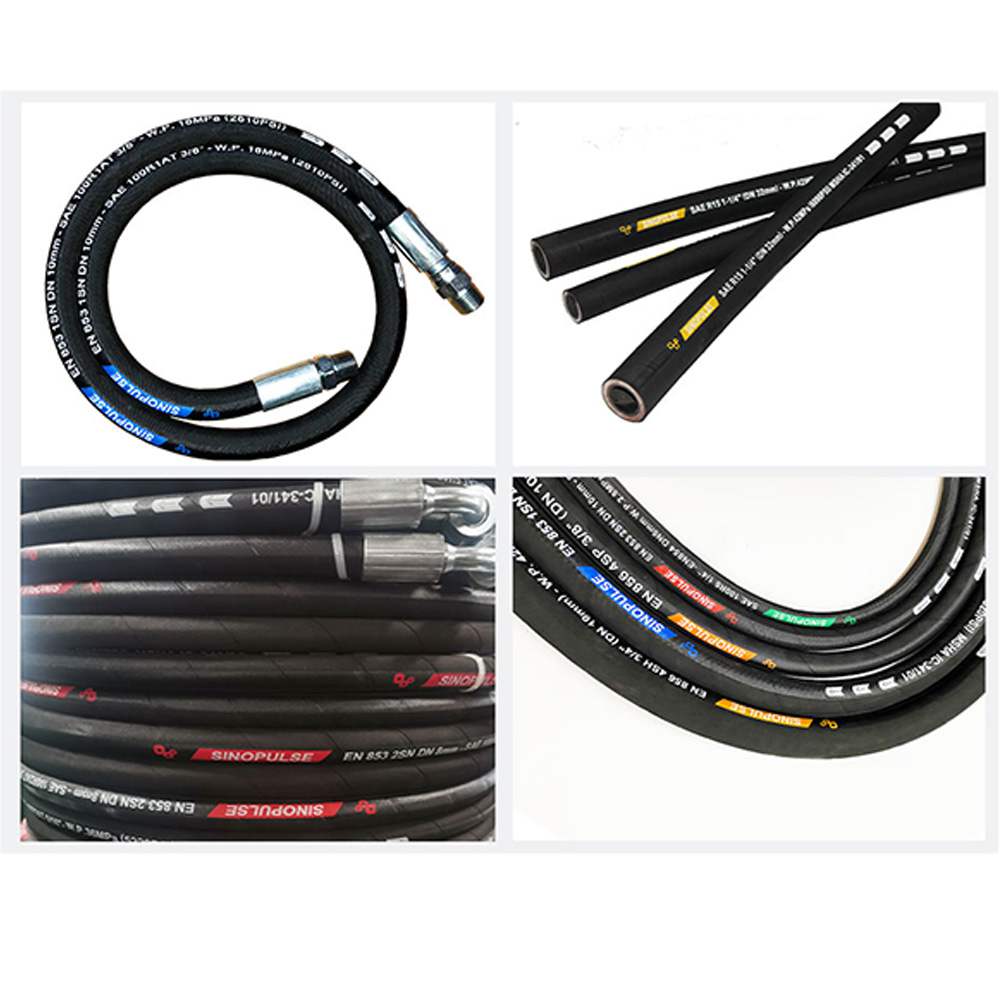
STAMPED: Panduan Anda untuk Memilih Selang Hidrolik yang Tepat
Itu PERANGKO singkatan dari Size (Ukuran), Temperature (Suhu), Application (Aplikasi), Media (Media), Pressure (Tekanan), dan Delivery (Pengiriman). Setiap faktor memainkan peran penting dalam memastikan sistem hidrolik Anda berfungsi dengan lancar dan andal. Berikut ini adalah arti setiap huruf dan mengapa hal itu penting:
S - Ukuran
S akan menunjukkan ukurannya. Diameter dalam selang hidrolik harus diukur secara akurat untuk mendapatkan kecepatan aliran yang tepat. Aliran yang terlalu lambat mengakibatkan kinerja sistem yang lambat, dan aliran yang terlalu tinggi menyebabkan penurunan tekanan yang berlebihan, kerusakan sistem, dan kebocoran. Anda tahu ukurannya adalah 1/16 inci pada diameter dalam, jadi sebenarnya yang Anda ukur di sini adalah jalur aliran fluida hidrolik. Jadi, kita katakan ukurannya dalam 1/16 inci, dan menggunakan sistem tanda hubung khusus. Jadi dalam kasus ini, selang yang kita tunjukkan memiliki diameter dalam setengah inci, dan kita menyebutnya tanda hubung delapan.
Ukuran selang hidrolik, atau 'ukuran dash', ditentukan oleh diameter dalam (ID) yang diukur dalam seperenam belas (1/16") inci. Selang transportasi adalah pengecualian. Misalnya, "-8" menunjukkan bahwa selang tersebut berukuran 8/16", atau 1/2". Jika kita melihat diameter dalam 1 inci, kita akan menyebutnya dash 16. Biasanya untuk selang hidrolik, Anda akan menggunakan hingga dash 32, jadi diameter dalam 2 inci. Meskipun kita melihat beberapa selang yang lebih besar di pasaran, kami menawarkan selang berukuran 3 inci.
Selang, seperti selang rem udara, selang power steering, atau apa pun yang memiliki standar DOT—ukurannya sebenarnya sesuai dengan ukuran tabung. Dulu, sebelum selang fleksibel banyak digunakan dalam aplikasi transportasi, mereka menggunakan tabung kaku, jadi jika Anda memiliki selang transportasi Dash 8 atau selang DOT yang memiliki diameter dalam setengah inci, ukurannya tidak akan tepat setengah inci, jadi Anda perlu memastikan Anda mengukur dengan benar.
T - Suhu
T untuk suhu. Untuk menghindari kerusakan peralatan, jangan melebihi batas suhu yang disarankan.
Suhu—Anda tidak hanya mempertimbangkan apa yang mengalir melalui selang, tetapi juga apa yang akan ada di sekitar bagian luar selang, yaitu suhu lingkungan. Karet dan bahan selang lainnya akan terpengaruh oleh perubahan suhu yang drastis. Pastikan peringkat suhu selang yang Anda pertimbangkan memenuhi atau melebihi suhu media atau suhu lingkungan yang lebih tinggi untuk aplikasi Anda. Selain itu, pastikan Anda mempertimbangkan jenis media beserta suhu media, karena cairan yang berbeda dapat meningkatkan atau mengurangi efek suhu pada selang.
Periksa spesifikasi selang untuk mengetahui peringkat suhu baik cairan maupun lingkungan sekitarnya. Misalnya, untuk cairan hidrolik berbasis minyak bumi, selang harus memiliki kisaran suhu -40°F hingga +257°F. Untuk cairan hidrolik emulsi air/glikol dan air/minyak, suhu kerja maksimum turun menjadi +185°F dan untuk udara, peringkatnya turun menjadi +158°F.
A - Aplikasi
Ini bisa sangat luas. Apa kegunaan selang tersebut?
Memahami aplikasi spesifik Anda adalah kunci untuk memilih selang hidrolik yang tepat. Tanyakan pada diri Anda pertanyaan-pertanyaan berikut:
Apa kegunaan selang tersebut?
- Jenis Peralatan Mesin
- Aplikasi Penghisapan
- Tidak menghantarkan listrik di mana
Apakah selang itu akan digunakan?
- Kondisi lingkungan
- Min Bend
- Perutean Radius
Persyaratan?
- Penjepit/selongsong pelindung untuk selang
- terpapar abrasi berlebihan?
Harus memenuhi standar nasional, hukum, industri, atau pelanggan mana pun.
- Jenis Ulir—Apakah jenis ulir tersebut perlu tahan terhadap tekanan sistem?
- Konstruksi selang khusus (spiral, jalinan)
Selang mana yang sedang digunakan?
Apakah itu gagal? Mengapa itu gagal?
Apakah ada perubahan sejak selang terakhir dipasang?
Aplikasi tertentu seringkali membutuhkan selang tertentu.
M - Media (Kompatibilitas Cairan)
M adalah singkatan dari media; ini sebenarnya adalah apa yang akan mengalir melalui selang. Berbagai bahan karet atau polimer yang berbeda, dan sejenisnya, untuk tabung bagian dalam, akan kompatibel dengan berbagai hal. Biasanya, dengan selang hidrolik, variasi medianya relatif rendah; kita biasanya melihat semacam cairan hidrolik atau oli yang akan digunakan untuk melakukan beberapa jenis pekerjaan, baik mengangkat atau semacamnya. Jadi, sangat penting untuk menyadari kompatibilitas cairan dari bahan yang Anda gunakan.
P - Tekanan
Kemudian kita sampai pada tekanan. Tekanan mungkin adalah hal pertama yang terlintas di benak setiap orang ketika berbicara tentang selang hidrolik, tidak berbeda dengan selang industri. Peringkat tekanan dari selang hidrolik tertentu akan sangat penting. Pilih selang dengan tekanan kerja maksimum yang tercantum sama dengan atau lebih besar dari tekanan sistem maksimum dan tekanan lonjakan atau tekanan transien puncak dalam sistem.
Semua selang hidrolik telah memenuhi spesifikasi standar industri untuk faktor desain 4:1 kecuali dinyatakan lain. Tekanan pecah adalah batas pasti kegagalan selang ini. Peringkat tekanan pecah untuk selang hanya untuk tujuan pengujian manufaktur. Ini bukan indikasi bahwa produk dapat digunakan di atas tekanan kerja maksimum yang dipublikasikan.
Sebagai contoh, jika Anda menggunakan aplikasi dengan tekanan 4.000-5.000 psi, Anda sebaiknya menggunakan selang 3.000 psi, karena selang tersebut diperkirakan tidak akan pecah hingga tekanan 12.000 psi. Anda benar-benar perlu memastikan bahwa tekanan kerja yang tertera pada selang Anda sama atau lebih tinggi dari tekanan sistem hidrolik Anda.
Anda juga harus memperhatikan tekanan impuls saat Anda melihat sesuatu seperti itu. selang dikepang atau selang spiral, jika ini adalah aplikasi yang tepat. Misalnya, mungkin ekskavator di lokasi konstruksi, lengan ekskavator tersebut beroperasi berkali-kali dalam waktu yang sangat singkat, dan saat itulah terjadi banyak impuls. Anda harus mendapatkan selang bertekanan tinggi—sebuah selang spiral yang akan bertahan di lingkungan tersebut.
E - Persyaratan akhir
Beberapa hal yang perlu dipertimbangkan, serta apa persyaratan akhir Anda—biasanya, Anda akan tahu ke mana Anda mencoba menyambungkan kabel. Jika Anda membangun sebuah sistem, Anda tahu jenis ujung apa yang paling cocok untuk aplikasi Anda. Berbagai metode koneksi tersedia. Hal-hal yang perlu dipertimbangkan: gaya, bentuk, jantan atau betina, material, dan metode penyegelan. Ada sejumlah aplikasi berbeda di luar sana yang membutuhkan ujung yang berbeda.
D - Pengiriman (Laju Aliran)
Terakhir, ketika Anda melihat pengiriman. Pengiriman tentu bukan sesuatu yang ingin kita lupakan; ini penting untuk dipertimbangkan. Anda lebih tahu, jadi dari perspektif layanan. Ada sejumlah hal yang dapat Anda lakukan untuk menyesuaikan selang hidrolik ke dalam aplikasi Anda, baik itu pengkodean warna, branding, atau penandaan, semua hal yang merupakan pilihan ketika pergi ke pabrik selang hidrolik.
Pemikiran Akhir
Pilih selang hidrolik dengan benar. Hal ini penting untuk memastikan efisiensi dan keamanan sistem hidrolik Anda. Anda memilih penyedia layanan yang tepat untuk aplikasi tersebut dengan mengikuti petunjuk berikut. DICAP Dengan menggunakan metode—Ukuran, Suhu, Aplikasi, Media, Tekanan, Ujung, dan Pengiriman—Anda dapat dengan yakin memilih selang yang paling sesuai dengan kebutuhan aplikasi Anda.
Jangan lupa untuk selalu memeriksa spesifikasi pabrik dan berkonsultasi dengan ahli bila perlu untuk menghindari kesalahan. Selang hidrolik yang dipilih dengan baik dapat mencegah kegagalan sistem, mengurangi biaya perawatan, dan meningkatkan kinerja dalam jangka panjang.