
Złączki i adaptery hydrauliczne Są ważnymi elementami układów hydraulicznych, używanymi głównie do łączenia węży, rur i innych podzespołów. Wiele osób pracujących w branży rur i układów hydraulicznych używa zamiennie terminów "adapter" i "złącze", uważając je za synonimy i zasadniczo to samo. Jednak te dwa narzędzia to różne akcesoria hydrauliczne i mają zupełnie inne zastosowanie.
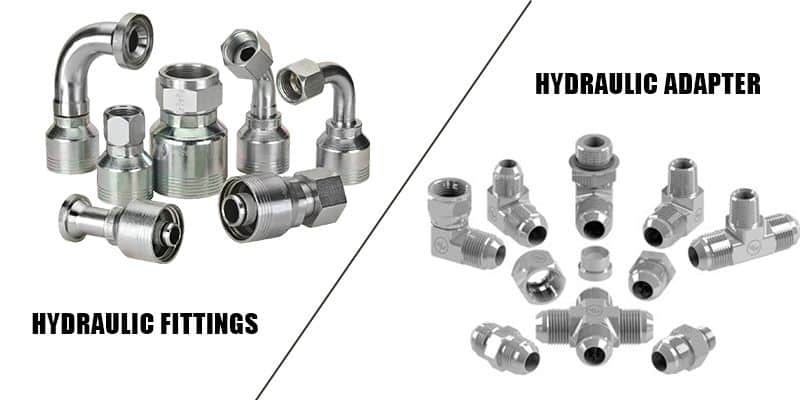
Posiadamy blisko 25 lat doświadczenia w branży węży przemysłowych. Pomożemy Ci zrozumieć różnice między złączami hydraulicznymi a adapterami. Wiele osób uważa, że złącza i adaptery to dwa różne rodzaje akcesoriów hydraulicznych o różnym zastosowaniu.
Kluczowe jest zrozumienie różnych typów złączy i adapterów hydraulicznych dostępnych na rynku, ich funkcji oraz sposobu doboru odpowiednich do systemu. Niniejszy artykuł ma na celu dostarczenie kompleksowego przewodnika po złączach i adapterach hydraulicznych, obejmującego ich typy, zastosowania i wskazówki dotyczące wyboru.
Złączki hydrauliczne

Złączki hydrauliczne to elementy służące do łączenia rur, węży i przewodów z układem hydraulicznym. Złączki są zazwyczaj instalowane na głównych elementach układu hydraulicznego, takich jak porty robocze pomp, zaworów, cylindrów i silników. Prawidłowo zamontowane, złączki hydrauliczne umożliwiają bezpieczny i stabilny przepływ płynu hydraulicznego w układzie, zapobiegając wyciekom i wahaniom ciśnienia. Istnieje wiele rodzajów złączy, a użycie odpowiedniego rozmiaru i standardowej złączki może również zmienić kierunek przepływu płynu hydraulicznego, a nawet wyregulować wysokość rurociągu.
Liczne normy krajowe i międzynarodowe regulują wymiary i specyfikacje armatury hydraulicznej. W Stanach Zjednoczonych najszerzej stosowaną normą jest norma SAE. Jednak różni producenci, zwłaszcza z innych krajów, mogą stosować inne normy, takie jak normy ISO.
Złączki hydrauliczne są często wytwarzane metodą obróbki skrawaniem i wykonane z materiałów takich jak stal, stal nierdzewna i miedź. Większość złączy składa się z elementu męskiego i żeńskiego, które po połączeniu pomagają kontrolować i kierować przepływem płynu hydraulicznego. Złączki o różnych kształtach i rozmiarach pozwalają inżynierom zmieniać kierunek przepływu płynu, zapobiegać wyciekom i utrzymywać ciśnienie, a najczęściej stosowanymi metodami łączenia są zaciskanie lub lutowanie.
Adaptery hydrauliczne

Większość adapterów to nie złączki; pełnią one zupełnie inną funkcję w rurociągach i systemach hydraulicznych. Adaptery hydrauliczne służą do łączenia co najmniej dwóch różnych rozmiarów gwintów. Innymi słowy, adaptery hydrauliczne umożliwiają połączenie dwóch różnych komponentów, które zazwyczaj są niekompatybilne, co pozwala na połączenie gwintów o co najmniej dwóch różnych rozmiarach lub kształtach. Stosowanie złączy adapterowych może pomóc w spełnieniu, a nawet przekroczeniu, niektórych norm dotyczących komponentów, w tym norm JIC, NPT, metrycznych i SAE. Na przykład, aby podłączyć metryczny koniec węża do złączki BSPP, potrzebny będzie adapter.
W przeciwieństwie do złączek, które zazwyczaj zaciska się na jednym końcu węża, większość adapterów/złączy hydraulicznych ma gwint na obu końcach. Adapter hydrauliczny to element do łączenia węży; jest to zasadniczo złączka z gwintami łączącymi na obu (lub wielu) końcach.
Adaptery są powszechnie spotykane w przyłączach portów układów hydraulicznych i zazwyczaj służą do zmniejszania lub zwiększania rozmiaru przyłącza lub węża. Innymi słowy, adaptery można traktować jako elementy służące do łączenia zespołu węża lub sztywnej rury z innym portem. Są wszechstronne i dostępne w niemal wszystkich rozmiarach, stylach i rodzajach gwintów.
W niektórych przypadkach adaptery mogą również pełnić funkcję złączy, na przykład łącząc cylinder ORB z gwintem wewnętrznym z końcówką węża JIC. W takim przypadku odpowiednim złączem adapterowym będzie gwint zewnętrzny ORB z gwintem zewnętrznym JIC. Ponadto adaptery ORB są często używane jako złączki.
Czy złączki hydrauliczne i adaptery to to samo? Jakie są różnice między nimi?
Podstawowe funkcje złączek i adapterów są niemal identyczne. Złączki w układach hydraulicznych zapewniają bezpieczny przepływ cieczy, zapobiegając wyciekom i wahaniom ciśnienia. Mogą one zmieniać kierunek przepływu cieczy, a nawet go różnicować. Jedyną różnicą między złączkami a innymi typami złączy jest możliwość łączenia gwintów o różnych średnicach. Ponadto, złączki mogą być zgodne z różnymi normami międzynarodowymi, takimi jak ISO, SAE, DIN i JIS.
Wybierając adapter lub złączkę, należy wziąć pod uwagę kilka kluczowych parametrów: ciśnienie znamionowe, wartości szczytowe ciśnienia, natężenie przepływu hydraulicznego, zgodność z normami środowiskowymi, temperaturę, drgania systemu (jeśli występują), zgodność z mediami oraz dostępność. Wycieki stanowią poważny problem, jeśli nie zostaną zachowane prawidłowe procedury montażu.
Zastosowania złączek i adapterów hydraulicznych
Złączki i adaptery hydrauliczne są powszechnie stosowane w różnych gałęziach przemysłu i dziedzinach, w tym:
Maszyny budowlane: Złączki i adaptery hydrauliczne są szeroko stosowane w maszynach budowlanych, takich jak koparki, spychacze i dźwigi. Ułatwiają one podłączanie i przesyłanie płynów w układach hydraulicznych, zapewniając płynną pracę sprzętu.
Rolnictwo: Złączki i adaptery hydrauliczne są również szeroko stosowane w sprzęcie rolniczym, takim jak ciągniki, kombajny i systemy nawadniające. Te złączki i adaptery ułatwiają podłączanie i przesyłanie płynów w układach hydraulicznych, zapewniając płynną pracę sprzętu.
Przemysł motoryzacyjny: Złączki i adaptery hydrauliczne są szeroko stosowane w różnych układach samochodowych, takich jak układy wspomagania kierownicy, układy hamulcowe i układy zawieszenia. Te złączki i adaptery ułatwiają podłączanie i przesyłanie płynów w układach hydraulicznych, zapewniając płynną pracę urządzeń.
Zastosowania przemysłowe: Złączki i adaptery hydrauliczne są szeroko stosowane w różnych gałęziach przemysłu, takich jak produkcja, przetwórstwo i urządzenia transportowe. Te złączki i adaptery ułatwiają podłączanie i przesyłanie płynów w układach hydraulicznych, zapewniając płynną pracę urządzeń.
Zastosowania morskie: Złączki i adaptery hydrauliczne są również stosowane w zastosowaniach morskich, takich jak platformy wiertnicze offshore, statki i jednostki pływające. Te złączki i adaptery ułatwiają podłączanie i przesyłanie płynów w układach hydraulicznych, zapewniając płynną pracę urządzeń.
Jak wybrać odpowiednie złączki i adaptery hydrauliczne
Wybór odpowiednich złączek hydraulicznych i adapterów do systemu jest kluczowy dla zapewnienia płynnej pracy oraz zapobiegania wyciekom i uszkodzeniom. Oto kilka wskazówek, które pomogą Ci wybrać odpowiednie złącza i adaptery:
Rozmiar i rodzaj: Pierwszym krokiem w wyborze odpowiednich złączek i adapterów jest określenie rozmiaru i rodzaju złączek i adapterów wymaganych do systemu. Należy wziąć pod uwagę rozmiar i rodzaj węży i rur w systemie, a także wymagania dotyczące ciśnienia i przepływu.
Materiał: Materiał, z którego wykonane są złączki i adaptery, odgrywa kluczową rolę w wydajności i trwałości systemu. Złączki i adaptery stalowe nadają się do systemów wysokociśnieniowych, natomiast złączki i adaptery mosiężne i aluminiowe do systemów nisko- i średniociśnieniowych. Wybierając materiał, z którego wykonane są złączki i adaptery, należy wziąć pod uwagę warunki pracy systemu oraz rodzaj używanego medium.
Rodzaj uszczelnienia: Rodzaj uszczelnienia złączek i adapterów ma kluczowe znaczenie dla zapobiegania wyciekom w systemie. Złączki i adaptery z uszczelnieniem typu O-ring zapewniają lepszą szczelność w porównaniu ze złączkami i adapterami z gwintem stożkowym, dzięki czemu są bardziej odpowiednie do systemów wysokociśnieniowych, w których brak wycieków jest kluczowy.
Renomowany producent: Wybierając złączki i adaptery hydrauliczne, kluczowe jest wybranie renomowanego producenta. Renomowani producenci stosują wysokiej jakości materiały i przestrzegają rygorystycznych procesów produkcyjnych, aby zapewnić zgodność z normami branżowymi. Wybór renomowanego producenta gwarantuje również niezawodną i skuteczną obsługę klienta oraz wsparcie techniczne w przypadku jakichkolwiek problemów z złączkami i adapterami.
Chociaż złączki hydrauliczne i adaptery są często używane zamiennie, są to zasadniczo dwa różne elementy o odmiennym przeznaczeniu. Ostatecznie każde urządzenie służy swojemu własnemu, unikalnemu celowi. Zazwyczaj adaptery służą do łączenia układów hydraulicznych, natomiast złączki do łączenia rur z urządzeniami hydraulicznymi. Złączki to urządzenia służące do łączenia węży i przewodów z głównymi elementami układu hydraulicznego. Natomiast adaptery służą do łączenia elementów hydraulicznych o różnych rozmiarach i typach. Aby zapewnić prawidłowe i bezpieczne użytkowanie obu urządzeń, kluczowe jest zawsze dobranie odpowiedniego interfejsu.
Sinopuls produkuje szeroką gamę węży i złączek hydraulicznych, w tym szeroką gamę złączy i adapterów. Nasza bogata oferta produktów ułatwia znalezienie odpowiedniego sprzętu hydraulicznego do konkretnego zastosowania, unikając niedogodności, jakie mogą stwarzać inne firmy.
Rozumiemy, że znalezienie odpowiednich węży i złączek może być uciążliwe. Dlatego nasz zespół ekspertów jest gotowy pomóc Ci w znalezieniu najbardziej odpowiednich produktów. Jeśli szukasz odpowiednich złączek lub adapterów, skontaktuj się z nami. Skontaktuj się z nami Już dziś. Nie tylko pomożemy Ci znaleźć potrzebne produkty, ale chętnie odpowiemy na wszelkie pytania dotyczące układów hydraulicznych!