

मोटर वाहन नली
मोटर वाहन नली ये लचीली नलियाँ हैं जो ऑटोमोटिव सिस्टम में तरल पदार्थों और गैसों का परिवहन करती हैं। इन्हें विभिन्न अनुप्रयोगों में उपयोग किया जाता है, जैसे कूलिंग सिस्टम, ईंधन वितरण, और पावर स्टीयरिंग सिस्टम। ऑटोमोटिव होज़ कई सामग्रियों से बने होते हैं, जिनमें रबर, प्लास्टिक, और धातु शामिल हैं। इन्हें अत्यधिक तापमान, दबाव, और कंपन सहन करने के लिए डिज़ाइन किया गया है। ऑटोमोटिव होज़ विभिन्न आकारों और आकृतियों में उपलब्ध हैं ताकि वे विभिन्न वाहनों की ज़रूरतों को पूरा कर सकें।.
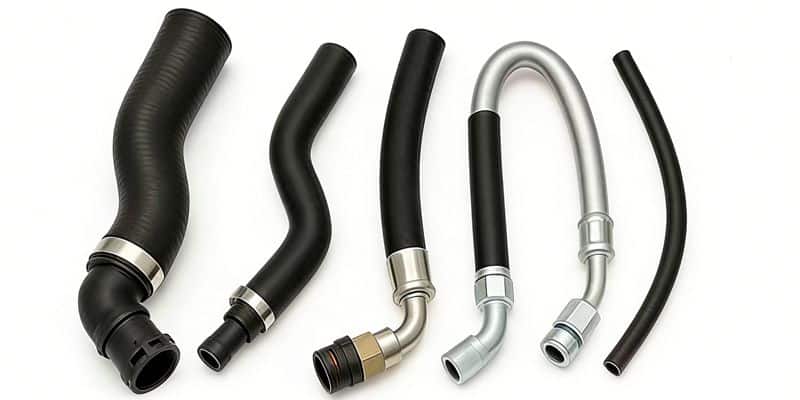
सिनोपल्स हाई-परफॉरमेंस ऑटोमोटिव होज़, सिलिकॉन होज़, रबर होज़ और कस्टम रबर पार्ट्स हवा, पानी, शीतलक और ईंधन अनुप्रयोग के लिए आदर्श हैं। OEM ट्रकों, बिजली उत्पादन, निर्माण और कृषि मशीनों और सामान्य औद्योगिक उपकरणों में इंजन अनुप्रयोगों के लिए हमारे होज़ का उपयोग करते हैं। हम दबाव, तापमान, लचीलेपन और हवा या द्रव वितरण के लिए निर्माताओं के विनिर्देशों को पूरा करने के लिए इंजीनियर उत्पाद प्रदान करते हैं। शोर, कंपन और तापमान नियंत्रण समाधानों के लिए हमसे संपर्क करने के अलावा, उन नली आपूर्तिकर्ताओं के बारे में पूछें जो पॉलिमर को अपनी विशेषता बनाते हैं।
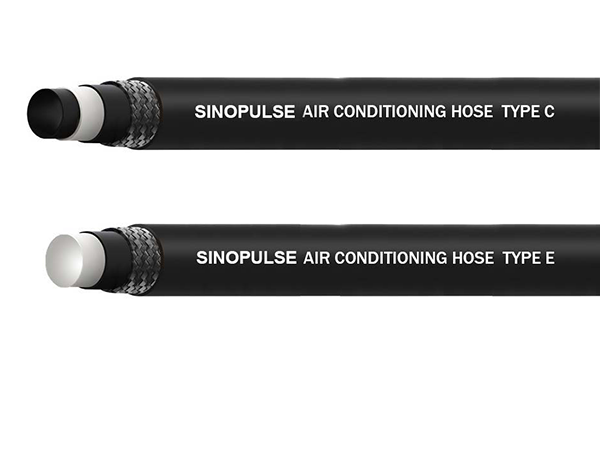

SAE J1401 हाइड्रोलिक ब्रेक नली, SAE J1402 एयर ब्रेक नली, SAE J1403 वैक्यूम ब्रेक नली

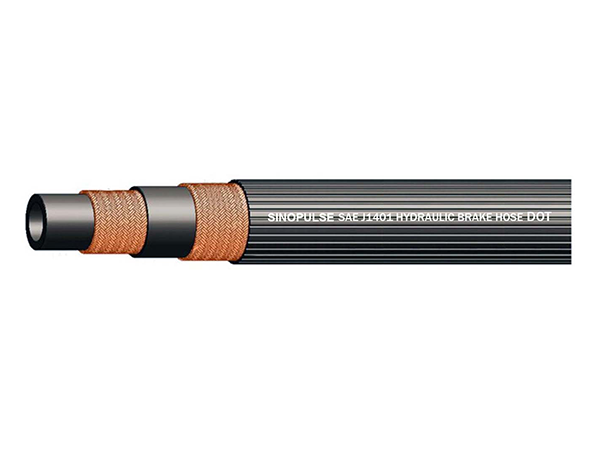
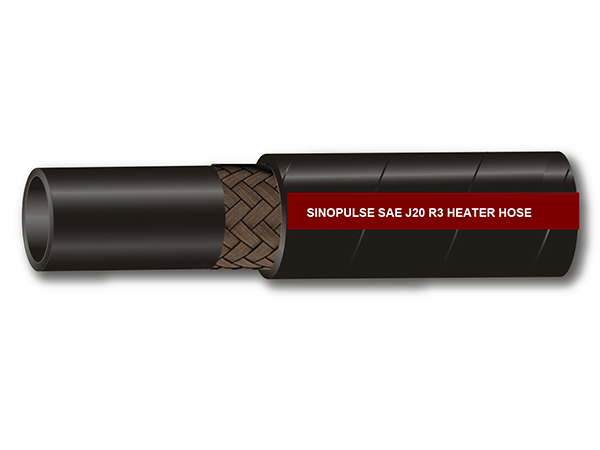
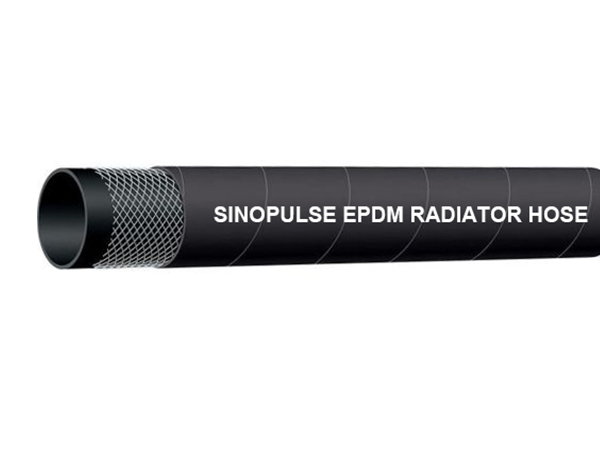

सिलिकॉन नली, ईपीडीएम नली, रेडिएटर नली, इंजन वॉटर नली, गर्म हवा की नली, टर्बो ट्यूब
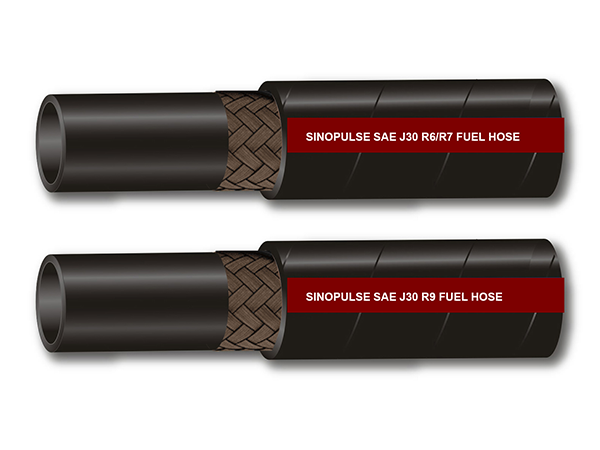

SAE J188 उच्च दबाव पावर स्टीयरिंग नली, SAE J189 कम दबाव पावर स्टीयरिंग नली, रिटर्न नली
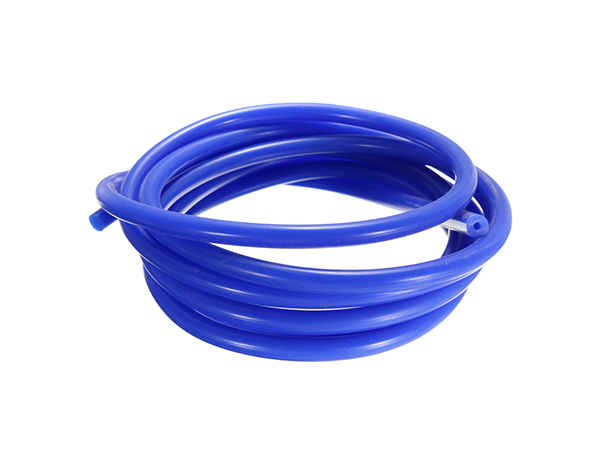
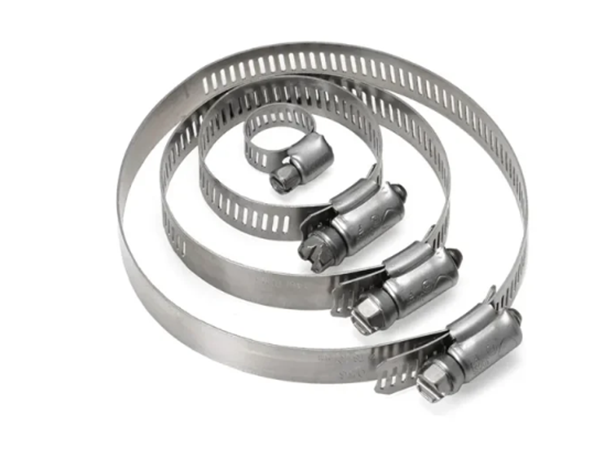
हम कई प्रकार के होज़ क्लैंप का उत्पादन करते हैं जैसे अमेरिकी प्रकार के होज़ क्लैंप, यूरोपीय प्रकार के होज़ क्लैंप, जर्मनी प्रकार के होज़ क्लैंप, ब्रिटिश प्रकार के होज़ क्लैंप, यू क्लैंप, टी-बोल्ट क्लैंप, हाई-टॉर्क होज़ क्लैंप इत्यादि।
सिनोपल्स एक प्रमुख निर्माता और गुणवत्तापूर्ण ऑटोमोटिव होसेस का वितरक है, जो आपकी ज़रूरतों को पूरा करने के लिए आकार, शैलियों और निर्माण सामग्री की एक विस्तृत श्रृंखला प्रदान करता है। सभी नली उत्पाद कड़े विनिर्देशों और मानकों को पूरा करते हैं। हम मीट्रिक और इंपीरियल दोनों प्रकार की नली असेंबली प्रदान करते हैं।
ऑटोमोटिव होज़ (जिन्हें इंजन होज़, वाहन होज़, ऑटो होज़ और कार होज़ भी कहा जाता है) इंजन, रेडिएटर और अन्य वाहन घटकों तक तरल पदार्थ पहुंचाते हैं, उन्हें ईंधन प्रदान करते हैं, उन्हें चिकना करते हैं, ठंडा करते हैं और उन्हें खराब होने से बचाते हैं।
ऑटोमोटिव होज़ अनुप्रयोगों में शामिल हैं:
गेराज निकास नली
हीटर नली
प्रभाव उपकरण हवा नली
ट्रांसमिशन तेल कूलर नली
पावर स्टीयरिंग तेल वापसी नली
लचीली निकास नली
पानी/कार धोने रैक नली
ताजा हवा का सेवन नली
पूर्वनिर्मित मोड़ नली
वाइपर/वैक्यूम नली
रेडिएटर ओवरफ्लो नली
लेन सिग्नल कॉल नली
बहुउद्देश्यीय स्पष्ट विनाइल नली
हवा नली, रबर और पीवीसी
गैस स्टेशन हवा नली
ईंधन लाइन नली
रेडिएटर शीतलक नली
सिलिकॉन टर्बो बूट
सिलिकॉन धौंकनी
टैंक भरने की नली
हम वाहन के प्रकार के अनुसार निम्नलिखित वायु पाइपों की आपूर्ति और निर्माण करते हैं:
भारी ट्रकिंग
चार्ज-एयर-कूलर (सीएसी) होज़
उत्सर्जन प्रणाली होज़
टर्बो होसेस
आफ्टरकूलर होसेस
जन परिवहन
एयर क्लीनर होज़
इंटरकुलरों
रेडिएटर होज़
फ़िल्टर सिस्टम होज़
कृषि एवं निर्माण
शीतलक नली
रेडिएटर होज़
हवा और पानी की नली
क्रॉसओवर टयूबिंग
हमारे द्वारा पेश की जाने वाली ऑटोमोटिव होज़ को दबाव, तापमान, लचीलेपन और वायु या द्रव वितरण के लिए निर्माता के विनिर्देशों को पूरा करने के लिए इंजीनियर किया जाता है। शोर, कंपन और तापमान नियंत्रण समाधानों के लिए हमसे संपर्क करने के अलावा, आप सिनोपल्स से परामर्श भी कर सकते हैं और उसे अपना समर्पित ऑटोमोटिव होज़ आपूर्तिकर्ता बना सकते हैं।
गर्म उत्पाद

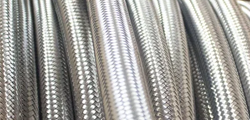


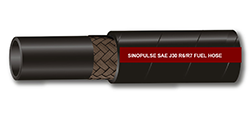


सिनोपल्स आपके वाहन को विश्वसनीय और सुचारू रूप से चलाने के लिए ट्रक और कार होज़ की एक विस्तृत विविधता प्रदान करता है। ब्रेक होज़ से लेकर कार वॉश के लिए डिज़ाइन किए गए होज़ तक, हमारे पास आपकी ज़रूरतों के लिए सही ऑटोमोटिव होज़ है। हम आपको वन-स्टॉप सेवा प्रदान करने के लिए संपूर्ण ईंधन लाइन किट, ट्रांसमिशन ऑयल लाइन, रेडिएटर होज़, क्लैम्प, ब्रैकेट और एयर कंडीशनिंग और हीटिंग डक्ट प्रदान करते हैं!
ऑटोमोटिव होज़ के प्रकार
ब्रेक नली
एयर ब्रेक होज़ वाहन की सुरक्षा और दक्षता सुनिश्चित करते हैं।.
कार की ब्रेकिंग प्रणाली में ब्रेक होज़ मास्टर सिलेंडर को ब्रेक कैलिपर्स से जोड़ता है, ब्रेक फ्लूइड का संचार करता है और दबाव सुनिश्चित करता है। जब ब्रेक पैडल दबाया जाता है, तो ब्रेक फ्लूइड होज़ के माध्यम से तेजी से दबाव संचारित करता है, जिससे ब्रेक पैड ब्रेक डिस्क के संपर्क में आते हैं और गति धीमी हो जाती है। यदि होज़ पुराना हो जाए, सूज जाए या फट जाए, तो ब्रेक कमजोर हो सकते हैं या पूरी तरह विफल हो सकते हैं, जिससे ड्राइविंग सुरक्षा पर गंभीर प्रभाव पड़ता है।.
यह आमतौर पर उच्च-मजबूत रबर या बुनी हुई धातु की परत से बना होता है, जिसमें उच्च दबाव प्रतिरोध, संक्षारण प्रतिरोध और उम्र बढ़ने प्रतिरोध जैसी विशेषताएँ होती हैं।.
यह महत्वपूर्ण घटक ब्रेकिंग सिस्टम में एक अहम भूमिका निभाता है, जो एयर ब्रेक सिस्टम के विश्वसनीय और कुशल संचालन को सुनिश्चित करता है। चाहे वह वाणिज्यिक ट्रक हो, बस हो या कोई अन्य भारी-भरकम वाहन, उच्च-गुणवत्ता वाले एयर ब्रेक होज़ सर्वोत्तम ब्रेकिंग प्रदर्शन बनाए रखने के लिए अनिवार्य हैं।.
एयर ब्रेक होज़ अत्यधिक दबाव और तापमान में उतार-चढ़ाव को सहन करने के लिए डिज़ाइन किए गए हैं। संपीड़ित हवा के वाहक के रूप में, यह ब्रेक कक्षों से ब्रेकिंग तंत्र तक संपीड़ित हवा पहुँचाता है। इसकी मजबूत और टिकाऊ बनावट यह सुनिश्चित करती है कि यह सड़क पर अक्सर आने वाली कठोर परिस्थितियों का सामना कर सके।.
एयर ब्रेक होज़ न केवल मजबूत और टिकाऊ होने चाहिए, बल्कि उन्हें उद्योग की सुरक्षा मानकों को भी पूरा करना चाहिए। ये होज़ उच्च दबाव में अपनी अखंडता बनाए रखने के लिए कठोर परीक्षण से गुजरते हैं। प्रमाणित एयर ब्रेक होज़ के साथ, आप यह जानकर निश्चिंत रह सकते हैं कि आपका ब्रेकिंग सिस्टम विश्वसनीय और सुरक्षित है।.
एयर कंप्रेसर नली
एयर कंप्रेसर की नलियाँ न केवल टिकाऊ और लचीली होनी चाहिए, बल्कि उत्कृष्ट घिसाव प्रतिरोध, मौसम प्रतिरोध और रासायनिक क्षरण प्रतिरोध भी रखनी चाहिए। इससे नली का सेवा जीवन सुनिश्चित होता है और रिसाव या फटने का जोखिम कम हो जाता है, जिससे महंगी डाउनटाइम या दुर्घटनाओं से बचा जा सकता है। उच्च-गुणवत्ता वाली एयर कंप्रेसर नलियों के साथ उपयुक्त फिटिंग्स होनी चाहिए जो कंप्रेसर और उपकरणों से मजबूती से जुड़ सकें। इससे कसकर सील बनती है, जिससे दबाव या ऊर्जा दक्षता का नुकसान नहीं होता।.
एयर कूलर नली
गर्म मौसम में, एयर कूलर होज़ आपको ठंडा रखने के लिए एक महत्वपूर्ण घटक है। चाहे व्यक्तिगत उपयोग हो या औद्योगिक वातावरण, विश्वसनीय और कुशल एयर कूलर होज़ एक महत्वपूर्ण अंतर लाता है।.
ऑटोमोटिव एग्जॉस्ट होज़
एक ऑटोमोटिव एग्जॉस्ट होज़, जिसे एग्जॉस्ट बेलोज़ भी कहा जाता है, इंजन के एग्जॉस्ट मैनिफोल्ड और मफलर के बीच एग्जॉस्ट पाइप के अंदर स्थापित किया जाता है। इसका कार्य पूरे एग्जॉस्ट सिस्टम में एक लचीला कनेक्शन प्रदान करना है, जिससे कंपन और शोर कम होते हैं, स्थापना में सुविधा होती है, और एग्जॉस्ट मफलर सिस्टम का जीवनकाल बढ़ता है।.
यह वाहन के उत्सर्जन गैसों के बाहर निकलने के लिए सुरक्षित मार्ग है। उच्च तापमान, संक्षारक पदार्थों और उच्च दबाव को सहन करने के लिए डिज़ाइन किया गया, यह इष्टतम इंजन प्रदर्शन सुनिश्चित करने वाला एक महत्वपूर्ण घटक है। एक विश्वसनीय उत्सर्जन नली के बिना, वाहन ठीक से काम नहीं करेगा, जिससे दक्षता में कमी आएगी और संभावित रूप से अन्य इंजन घटकों को नुकसान होगा।.
ऑटोमोटिव एग्जॉस्ट होज़ का महत्व केवल उत्सर्जन नियंत्रण तक सीमित नहीं है। ये इंजन दहन के दौरान उत्पन्न ध्वनि तरंगों के कंपन को प्रभावी रूप से दबाते हैं, जिससे शोर प्रदूषण में काफी कमी आती है। यह न केवल एक शांत ड्राइविंग अनुभव में योगदान देता है, बल्कि विभिन्न नियामक संस्थाओं द्वारा निर्धारित कड़े शोर नियमों का पालन भी सुनिश्चित करता है।.
ईंधन नली
ईंधन नलियाँ विभिन्न उद्योगों में ईंधन की सुरक्षित और कुशल आपूर्ति में महत्वपूर्ण भूमिका निभाती हैं और ऑटोमोटिव ईंधन प्रणालियों का एक अनिवार्य घटक हैं। ईंधन नलियाँ मुख्यतः ईंधन टैंक से इंजन तक ईंधन पहुँचाने के लिए उपयोग की जाती हैं और आमतौर पर दबाव-प्रतिरोधी, संक्षारण-प्रतिरोधी रबर, पॉलीयूरेथेन या प्लास्टिक सामग्री से बनी होती हैं।.
ये मुख्यतः गैसोलीन-चालित वाहनों की पावर सिस्टम में ईंधन वितरण के लिए उपयोग किए जाते हैं और वाष्पीकरण से होने वाले संदूषण को कम करने के लिए इन्हें कम ईंधन पारगम्यता आवश्यकताओं को पूरा करना होता है।.
चाहे ऑटोमोटिव, एयरोस्पेस, या औद्योगिक अनुप्रयोगों में हो, रिसाव, छींटों, और संभावित खतरों को रोकने के लिए विश्वसनीय और उच्च-गुणवत्ता वाले ईंधन होज़ आवश्यक हैं। इन्हें गैसोलीन, डीजल, और यहां तक कि इथेनॉल जैसे वैकल्पिक ईंधन सहित विभिन्न प्रकार के ईंधन पहुँचाने के लिए डिज़ाइन किया गया है। ईंधन होज़ को कार्यात्मक रूप से तीन प्रकारों में वर्गीकृत किया गया है: उच्च-दाब वाले ईंधन होज़, निम्न-दाब वाले ईंधन होज़, और रिटर्न ईंधन होज़। नियमित रखरखाव में दरारों, उभारों या रिसाव के लक्षणों के लिए होज़ का नियमित निरीक्षण, आंतरिक अशुद्धियों की तुरंत सफाई, घिसे-पिटे पुर्जों को बदलना, और यह सुनिश्चित करना शामिल है कि कनेक्शनों पर सील मानकों के अनुरूप हों।.
ऑटोमोटिव वैक्यूम होज़
ऑटोमोटिव वैक्यूम होज़ वाहन के विभिन्न भागों को जोड़ने वाले महत्वपूर्ण घटक हैं, जो वाहन के भीतर वायु प्रवाह और वैक्यूम दबाव के उचित कार्य को सुनिश्चित करते हैं। साधारण होज़ों के विपरीत, ऑटोमोटिव वैक्यूम होज़ संकेत संचरण, दबाव समतलीकरण और उत्सर्जित गैस के विचलन जैसे महत्वपूर्ण कार्य करते हैं। ये ब्रेक वैक्यूम पंप और इंजन इनटेक मैनिफोल्ड को जोड़ने वाले मुख्य घटक हैं।.
ऑटोमोटिव वैक्यूम होज़ का उपयोग उत्सर्जन नियंत्रण, इंजन प्रदर्शन विनियमन, और ब्रेकिंग सिस्टम, HVAC (हीटिंग, वेंटिलेशन और एयर कंडीशनिंग) सिस्टम, और ईंधन वितरण सिस्टम जैसे विभिन्न प्रणालियों को शक्ति प्रदान करने सहित कई क्षेत्रों में होता है। विश्वसनीय वैक्यूम होज़ के बिना, ये प्रणालियाँ ठीक से काम करने में संघर्ष करेंगी।.
जब इंजन चल रहा होता है, तो वैक्यूम होज़ इंटेक मैनिफोल्ड से नकारात्मक दबाव को वैक्यूम पंप तक पहुँचाता है। वैक्यूम पंप में एक डायाफ्राम होता है; नकारात्मक दबाव डायाफ्राम के एक तरफ़ कार्य करता है, जबकि दूसरी तरफ़ यह ब्रेक मास्टर सिलेंडर से संपर्क में रहता है और ब्रेक पैडल से आने वाले दबाव को भी सहन करता है। यह डिज़ाइन ब्रेकिंग सिस्टम को अधिक कुशल और प्रतिक्रियाशील बनाता है।.
ये नलीएँ उच्च तापमान सहने, इंजन तेलों के रासायनिक क्षरण का प्रतिरोध करने और कठोर परिस्थितियों में भी लचीलापन बनाए रखने के लिए डिज़ाइन की गई हैं। सामग्री संरचना और डिज़ाइन में सुधारों ने ऑटोमोटिव वैक्यूम नलीयों की विश्वसनीयता और सेवा जीवन को काफी बढ़ा दिया है।.
हीटर नली
हीटर होज़ वाहन की हीटिंग प्रणाली के सुचारू संचालन को सुनिश्चित करने में महत्वपूर्ण भूमिका निभाता है। यह अक्सर अनदेखा किया जाने वाला, फिर भी अनिवार्य घटक इंजन कूलेंट को हीटर कोर तक पहुँचाने, कुशल ऊष्मा संचरण सुनिश्चित करने और ठंड के महीनों में आरामदायक आंतरिक तापमान बनाए रखने के लिए जिम्मेदार है।.
यह अधिकांश यात्री कारों और हल्के ट्रकों में मूल उपकरण हीटर कोर की जगह लेता है। हीटर कोर को इंजन कम्पार्टमेंट के उच्च तापमान वाले वातावरण के लिए डिज़ाइन किया गया है। यह संक्षारक द्रवों और योजकों का सामना कर सकता है और इसमें उत्कृष्ट मौसम प्रतिरोध क्षमता है, जो लंबी और विश्वसनीय सेवा अवधि सुनिश्चित करती है। हीटर कोर इंजन कम्पार्टमेंट में उच्च तापमान और एंटीफ्रीज़ कूलेंट का सामना कर सकता है और इसे किसी भी वाहन के इंजन में पूरी तरह से फिट होने के लिए मोड़ा और आकार दिया जा सकता है।.
हीटर कोर आमतौर पर टिकाऊ रबर या सिलिकॉन सामग्री से बना होता है जो उच्च तापमान और कूलेंट की निरंतर क्रिया को सहन कर सकता है। यह इंजन के कूलिंग सिस्टम को हीटर कोर से जोड़ता है, जो वाहन में प्रवेश करने वाली हवा को गर्म करने के लिए जिम्मेदार होता है।.
यदि हीटर कोर खराब हो जाए, तो अपर्याप्त हीटिंग आउटपुट या कूलेंट रिसाव जैसी समस्याएँ हो सकती हैं। ये समस्याएँ आपको और आपके यात्रियों को असुविधा पहुँचा सकती हैं, विशेषकर ठंडे मौसम में।.
चाहे आपको सीधी होज़ चाहिए हो या घुमावदार, यह महत्वपूर्ण है कि आप ऐसी होज़ चुनें जो मूल उपकरण निर्माता (OEM) के विनिर्देशों को पूरा करती हो, सुरक्षित रूप से स्थापित हो, और लीक-रहित हो।.
रेडिएटर और कूलेंट होज़
रेडिएटर और कूलेंट होज़ वाहन की कूलिंग सिस्टम के सुचारू संचालन में महत्वपूर्ण भूमिका निभाते हैं। रेडिएटर होज़ बड़े व्यास वाले रबर के होज़ होते हैं, जिनका उपयोग इंजन और रेडिएटर के बीच तथा वापस वॉटर पंप तक कूलेंट स्थानांतरित करने के लिए किया जाता है।.
रेडिएटर होज़ रेडिएटर में और उससे ग्लाइकॉल-आधारित कूलेंट्स को स्थानांतरित करने के साथ-साथ वाहन की कूलिंग सिस्टम के अन्य घटकों के माध्यम से भी इन्हें प्रवाहित करने के लिए डिज़ाइन किए गए हैं।.
ऑटोमोटिव होज़ के आकार
उपयुक्त होज़ आकार का चयन करने के लिए सर्वोत्तम प्रदर्शन और दक्षता सुनिश्चित करने हेतु कई कारकों पर विचार करना आवश्यक है। होज़ का आकार प्रवाह दर, दबाव प्रतिरोध और समग्र कार्यक्षमता में महत्वपूर्ण भूमिका निभाता है।.
आंतरिक व्यास
ऑटोमोटिव होज़ का आंतरिक व्यास प्रवाह दर और संचालन दक्षता को प्रभावित करने वाले प्रमुख कारकों में से एक है। बहुत छोटा आंतरिक व्यास प्रवाह में बाधा डालता है और दक्षता को कम करता है; जबकि बहुत बड़ा आंतरिक व्यास होज़ के रिसाव के जोखिम को बढ़ा सकता है। इसलिए, ऑटोमोटिव होज़ का चयन करते समय वाहन मॉडल, सिस्टम दबाव और परिवहित माध्यम के प्रकार जैसे कारकों के आधार पर उपयुक्त आंतरिक व्यास का व्यापक रूप से निर्धारण करना आवश्यक है।.
बहरी घेरा
ऑटोमोटिव होज़ का बाहरी व्यास न केवल वाहन के भीतर उनकी स्थिति और स्थापना को प्रभावित करता है, बल्कि होज़ और आसपास के घटकों के बीच क्लियरेंस और घिसाव जैसी समस्याओं से भी घनिष्ठ रूप से जुड़ा होता है। होज़ का बाहरी व्यास चुनते समय यह सुनिश्चित करना आवश्यक है कि होज़ वाहन के अंदर पहले से ड्रिल किए गए छेदों से सुचारू रूप से गुजर सके और आसपास के घटकों के साथ पर्याप्त क्लियरेंस बनाए रखे, ताकि वाहन के संचालन के दौरान घर्षण या टकराव के कारण होज़ को क्षति न पहुंचे।.
लंबाई
इंजन कम्पार्टमेंट की व्यवस्था के अनुसार अनुकूलित; बहुत लंबा होने पर मोड़ने में खिंचाव हो सकता है, जबकि बहुत छोटा होने पर रिसाव हो सकता है।.
दीवार की मोटाई
होस की दीवार की मोटाई इसके दबाव प्रतिरोध और टिकाऊपन को प्रभावित करने वाला एक महत्वपूर्ण कारक है। बहुत पतली दीवार होस के दबाव प्रतिरोध को कम कर देती है, जिससे उच्च दबाव में फटने का खतरा बढ़ जाता है; जबकि बहुत मोटी दीवार होस के कुल वजन और लागत को बढ़ा सकती है। इसलिए, होस का चयन करते समय वाहन प्रणाली के अधिकतम परिचालन दबाव और परिवेशी तापमान जैसे कारकों के आधार पर उपयुक्त दीवार मोटाई निर्धारित करनी चाहिए।.
ऑटोमोटिव होज़ सामग्री
रबड़
रबर एक व्यापक रूप से उपयोग की जाने वाली और महत्वपूर्ण सामग्री है, जो विभिन्न उद्योगों और दैनिक जीवन में एक महत्वपूर्ण भूमिका निभाती है। ऑटोमोबाइल से लेकर निर्माण तक, रबर अपनी अनूठी विशेषताओं और टिकाऊपन के कारण अनगिनत क्षेत्रों में उपयोग किया जाता है।.
रबर ऑटोमोटिव होज़ के लिए सबसे अधिक उपयोग की जाने वाली सामग्रियों में से एक है। रबर के सामान्य प्रकारों में EPDM (इथाइलीन प्रोपाइलीन डाइन मोनोमर) शामिल है। इसमें अच्छी लोच और संक्षारण प्रतिरोध होता है, जो वाहन के संचालन के दौरान कंपन और तापमान परिवर्तन को सहन करने में सक्षम होता है। इसके अलावा, रबर सामग्री में उच्च घिसाव प्रतिरोध और तनन शक्ति होती है, जिससे नलियाँ कठोर कार्य वातावरण में स्थिर प्रदर्शन बनाए रख सकती हैं। रबर की नलियाँ ऑटोमोटिव ईंधन प्रणालियों, कूलिंग प्रणालियों और एयर कंडीशनिंग प्रणालियों के महत्वपूर्ण घटकों में व्यापक रूप से उपयोग की जाती हैं।.
इस प्रकार की रबर में संक्षारण प्रतिरोध, ऑक्सीकरण प्रतिरोध, उच्च तापमान प्रतिरोध और विस्फोट-रोधी गुण होते हैं, जिससे इसकी सेवा अवधि अपेक्षाकृत लंबी होती है और उच्च तापमान तथा कठोर वातावरण में सामान्य संचालन सुनिश्चित होता है। यह आमतौर पर मजबूती और दबाव प्रतिरोध बढ़ाने के लिए स्टील वायर बुने हुए परतों या स्टील वायर सर्पिल परतों को शामिल करती है।.
पीवीसी
PVC ऑटोमोटिव होज़ ऑटोमोटिव उद्योग में एक महत्वपूर्ण भूमिका निभाते हैं, जो विभिन्न अनुप्रयोगों के लिए विश्वसनीय और लचीले समाधान प्रदान करते हैं। ईंधन लाइनों से लेकर कूलिंग सिस्टम तक, PVC ऑटोमोटिव होज़ टिकाऊ, रासायनिक प्रतिरोधी और घर्षण-प्रतिरोधी होते हैं, जो उच्च तापमान पर भी उत्कृष्ट प्रदर्शन बनाए रखते हैं।.
ये होज़ ऑटोमोटिव वातावरण की कठोर परिस्थितियों का सामना करने के लिए डिज़ाइन किए गए हैं, जिससे वाहन के भीतर तरल पदार्थ का सुचारू और कुशल प्रवाह सुनिश्चित होता है। चाहे ईंधन, इंजन तेल या कूलेंट पहुंचाया जा रहा हो, पीवीसी ऑटोमोटिव होज़ एक मजबूत कनेक्शन प्रदान करते हैं, जिससे रिसाव रोके जाते हैं और इष्टतम प्रदर्शन सुनिश्चित होता है।.
PVC ऑटोमोटिव होज़ का एक प्रमुख लाभ उनकी बहुमुखी प्रतिभा है। इन्हें विभिन्न वाहनों की विशिष्ट आवश्यकताओं को पूरा करने के लिए आसानी से विभिन्न आकृतियों और आकारों में ढाला जा सकता है। यह लचीलापन पाइपिंग लेआउट और स्थापना को अधिक कुशल बनाने के साथ-साथ इंजन कम्पार्टमेंट में स्थान के उपयोग को अधिकतम करने में सक्षम बनाता है।.
इसके अलावा, पीवीसी ऑटोमोटिव होज़ अपनी लंबी सेवा अवधि और उच्च विश्वसनीयता के लिए प्रसिद्ध हैं। इन्हें चरम मौसम की परिस्थितियों, यूवी विकिरण और ऑटोमोटिव द्रवों में सामान्यतः पाए जाने वाले क्षरणकारी रसायनों का सामना करने के लिए सावधानीपूर्वक डिज़ाइन किया गया है। यह सुनिश्चित करता है कि ये समय के साथ अपनी अखंडता बनाए रखें, जिससे बार-बार प्रतिस्थापन या मरम्मत की आवश्यकता कम हो जाती है।.
पोलीयूरीथेन
पॉलीयुरेथेन होज़, जिन्हें पीयू होज़ के नाम से भी जाना जाता है, उच्च दबाव वाली कार्य स्थितियों में असाधारण रूप से अच्छा प्रदर्शन करते हैं। उनकी मुख्य विशेषताएँ मजबूत घिसाव प्रतिरोध, काटन प्रतिरोध और दबाव प्रतिरोध हैं, जो 30 MPa तक के दबाव को सहन करने में सक्षम हैं। पॉलीयुरेथेन होज़ औद्योगिक, कृषि और निर्माण क्षेत्रों में व्यापक रूप से उपयोग किए जाते हैं।.
नायलॉन (पीए)
नायलॉन (PA) एक ऐसी सामग्री है जो ऑटोमोटिव एयर कंडीशनिंग होज़ में सामान्यतः उपयोग की जाती है। नायलॉन होज़ में उच्च तापमान प्रतिरोधक क्षमता उत्कृष्ट होती है, जिससे ये उच्च तापमान वाले वातावरण में लंबे समय तक बिना आसानी से पुराने हुए काम कर सकते हैं। इसके अलावा, नायलॉन होज़ में अच्छी टिकाऊपन और दबाव प्रतिरोधक क्षमता होती है, जो बाहरी दबाव के प्रभावों को प्रभावी रूप से रोकती है।.
रबर की नलियों की तुलना में नायलॉन की नलियों में उच्च तापमान प्रतिरोध और टिकाऊपन के मामले में लाभ होते हैं। हालांकि, नायलॉन की नलियों की लचीलापन और सीलिंग क्षमता रबर की नलियों से थोड़ी कम हो सकती है।.
सिलिकॉन
सिलिकॉन ऑटोमोटिव होज़ के लिए एक अन्य सामान्य सामग्री है। रबर की तुलना में, सिलिकॉन उच्च तापमान प्रतिरोध और रासायनिक स्थिरता में श्रेष्ठता प्रदान करता है। सिलिकॉन होज़ उच्च तापमान वाले वातावरण में बिना उम्र बढ़ने के लंबे समय तक काम कर सकते हैं और विभिन्न रसायनों के प्रति अच्छा प्रतिरोध दिखाते हैं। इसलिए, सिलिकॉन होज़ का उपयोग ऑटोमोटिव इंजन कम्पार्टमेंट जैसे उच्च तापमान वाले क्षेत्रों में और विशेष रासायनिक माध्यमों के संचरण की आवश्यकता वाले अनुप्रयोगों में व्यापक रूप से किया जाता है।.
सिलिकॉन ऑटोमोटिव होज़ों ने अपनी असाधारण टिकाऊपन, लचीलापन और ऊष्मा प्रतिरोध के साथ ऑटोमोटिव उद्योग में क्रांति ला दी है। ये होज़ विभिन्न ऑटोमोटिव प्रणालियों, जैसे शीतलन, हीटिंग और वेंटिलेशन प्रणालियों के सुचारू संचालन को सुनिश्चित करने में महत्वपूर्ण भूमिका निभाते हैं।.
सिलिकॉन ऑटोमोटिव होज़ की मांग उनकी चरम तापमान और कठोर परिचालन स्थितियों को सहन करने की क्षमता के कारण लगातार बढ़ रही है। चाहे उच्च-प्रदर्शन रेसिंग कारों में हों या रोज़मर्रा की आवागमन वाली गाड़ियों में, ये होज़ विश्वसनीय प्रदर्शन और दीर्घकालिक कार्यक्षमता प्रदान करते हैं।.
सिलिकॉन ऑटोमोटिव होज़ के प्रमुख लाभों में से एक है उनकी उम्र बढ़ने और क्षरण के प्रति प्रतिरोध, जो रासायनिक क्षरण, पराबैंगनी विकिरण और ओज़ोन का सामना करने में सक्षम बनाता है। यह उन्हें अत्यधिक टिकाऊपन की आवश्यकता वाले अनुप्रयोगों के लिए आदर्श बनाता है।.
इसके अलावा, सिलिकॉन ऑटोमोटिव होज़ उत्कृष्ट लचीलापन प्रदान करते हैं, जिससे संकीर्ण स्थानों या जटिल पाइपिंग विन्यासों में स्थापना आसान हो जाती है। उच्च दबाव में भी ये अपना आकार बनाए रखते हैं, जिससे द्रव का इष्टतम प्रवाह सुनिश्चित होता है और रिसाव या सिस्टम की खराबी का जोखिम कम हो जाता है।.
अपने कार्यात्मक लाभों के अलावा, सिलिकॉन ऑटोमोटिव होज़ अपनी सौंदर्यपूर्ण उपस्थिति के लिए भी जाने जाते हैं; उनकी चिकनी रेखाएँ किसी भी वाहन की समग्र दिखावट को निखारती हैं। ये व्यक्तिगत पसंद या विशिष्ट ब्रांड आवश्यकताओं के अनुरूप विभिन्न रंगों और फिनिश में उपलब्ध हैं।.
ऑटोमोटिव होज़ फिटिंग्स के प्रकार
ऑटोमोटिव इंजीनियरिंग में होज़ और फिटिंग्स का महत्व स्वयंसिद्ध है। ये महत्वपूर्ण घटक वाहन के भीतर विभिन्न प्रणालियों के सुचारू और कुशल संचालन को सुनिश्चित करते हैं, ईंधन वितरण से लेकर कूलेंट परिसंचरण तक। तकनीकी प्रगति और वाहनों की बढ़ती जटिलता के साथ, उच्च-गुणवत्ता वाले ऑटोमोटिव होज़ और फिटिंग्स की मांग लगातार बढ़ रही है।.
ऑटोमोटिव होज़ और फिटिंग्स तरल वितरण प्रणालियों की अखंडता बनाए रखने, रिसाव रोकने और इष्टतम प्रदर्शन सुनिश्चित करने में महत्वपूर्ण भूमिका निभाते हैं। चाहे यात्री कारों में हों, वाणिज्यिक वाहनों में हों या भारी मशीनरी में, ये घटक सुरक्षित और विश्वसनीय संचालन के लिए अनिवार्य हैं।.
ऑटोमोटिव उद्योग ने होज़ और फिटिंग्स के लिए सामग्री और निर्माण प्रक्रियाओं में महत्वपूर्ण प्रगति की है। आज, निर्माता रबर यौगिक, सिलिकॉन, थर्मोप्लास्टिक्स और सुदृढ़ीकरण फाइबर जैसी टिकाऊ सामग्रियों का उपयोग करके ऐसे होज़ बनाते हैं जो उच्च तापमान, दबाव उतार-चढ़ाव, रासायनिक क्षरण और कठोर पर्यावरणीय परिस्थितियों का सामना कर सकते हैं।.
इसके अलावा, सटीक रूप से डिज़ाइन किए गए फिटिंग्स विभिन्न होज़ खंडों या वाहन प्रणाली के अन्य घटकों के बीच एक मजबूत और विश्वसनीय कनेक्शन सुनिश्चित करते हैं। ये फिटिंग्स कंपन और तापीय विस्तार एवं संकुचन चक्रों का सामना करते हुए भी रिसाव-रहित सील बनाए रखने के लिए डिज़ाइन किए गए हैं।.
इसके अतिरिक्त, तकनीकी प्रगति के साथ दक्षता और स्थिरता पर बढ़ता जोर है। कम पारगम्यता वाले ऑटोमोटिव होज़ हाइड्रोकार्बन के वाष्पीकरण को रोकते हैं, जिससे ईंधन उत्सर्जन कम होता है। इसी तरह, पर्यावरण के अनुकूल सामग्री अब निर्माण प्रक्रिया में पर्यावरणीय प्रभाव को कम करने के लिए उपयोग की जा रही हैं।.
ईंधन नली के फिटिंग्स: ईंधन होज़ फिटिंग्स मुख्य रूप से कारों में इंजन ऑयल लाइनों, ईंधन टैंक लाइनों और स्नेहन लाइनों को जोड़ने के लिए उपयोग की जाती हैं। ये फिटिंग्स तेल के दबाव को सहन करने के लिए अच्छी तरह से डिज़ाइन की गई हैं और इनमें उत्कृष्ट तेल प्रतिरोधकता और सीलिंग क्षमता होती है। सामान्य कनेक्शन विधियों में टेपर कनेक्शन, बोल्ट कनेक्शन और बेयोनेट कनेक्शन शामिल हैं, जो ईंधन प्रणाली की स्थिरता और सुरक्षा सुनिश्चित करते हैं।.
एयर कंडीशनिंग होज़ फिटिंग्स: एयर कंडीशनिंग होज़ फिटिंग्स वाहन की एयर कंडीशनिंग प्रणाली का एक अनिवार्य हिस्सा हैं। ये उच्च-दाब, निम्न-दाब और मध्यम-दाब वाली विभिन्न लाइनों को जोड़ने के लिए जिम्मेदार होती हैं। इन फिटिंग्स में उत्कृष्ट लीक-प्रूफ और सीलिंग प्रदर्शन होता है, और ये उच्च दबाव और उच्च तापमान वाले कठोर वातावरण का सामना कर सकती हैं। सामान्य कनेक्शन विधियों में स्पाइरल कनेक्शन, फ्लैंज कनेक्शन और बाहरी क्लैंप कनेक्शन शामिल हैं, जो यात्रियों के लिए आरामदायक ड्राइविंग वातावरण प्रदान करते हैं।.
ईंधन नली के फिटिंग्स: कारों में ईंधन होज़ फिटिंग्स ईंधन टैंक लाइनों और फ्यूल इंजेक्टर्स को जोड़ने में महत्वपूर्ण भूमिका निभाती हैं। ये उच्च दबाव और उच्च तापमान का सामना कर सकती हैं, और इनमें उत्कृष्ट तेल प्रतिरोध, संक्षारण प्रतिरोध और सीलिंग प्रदर्शन होता है। पिन-टाइप, क्विक-कनेक्ट और थ्रेडेड कनेक्शन ईंधन होज़ फिटिंग्स के सामान्य प्रकार हैं, जो कुशल ईंधन वितरण और स्थिर इंजन संचालन सुनिश्चित करते हैं।.
वैक्यूम होज़ कनेक्टर्स: वैक्यूम होज़ कनेक्टर्स ऑटोमोबाइल में महत्वपूर्ण भूमिका निभाते हैं, मुख्यतः इंजन वैक्यूम लाइनों को जोड़ने के लिए उपयोग किए जाते हैं, जैसे ब्रेक वैक्यूम होज़ और इंटेक मैनिफोल्ड वैक्यूम होज़। ये कनेक्टर्स उच्च तापमान प्रतिरोध, उत्कृष्ट सीलिंग और उच्च लीक-प्रूफ सटीकता के लिए जाने जाते हैं। सामान्य वैक्यूम होज़ कनेक्टर्स में स्ट्रेट कनेक्टर्स, स्विवेल कनेक्टर्स और क्लैम्प कनेक्टर्स शामिल हैं, जो इंजन नियंत्रण प्रणाली के लिए सटीक समर्थन प्रदान करते हैं।.