
Hose is highly efficient, flexible, and widely used, playing a vital role in many industries. However, this flexibility also means higher costs; hose prices vary depending on the materials used, dimensions, strength, and application. Therefore, understanding what influences hose prices is crucial for making informed hose purchasing decisions. In this blog post, we'll explore the key factors affecting hose prices to help you meet performance and durability requirements without exceeding your budget. Hose price is often a complex factor that's easily overlooked, yet it's commonly perceived as expensive. We'll tell you what influences hose prices.
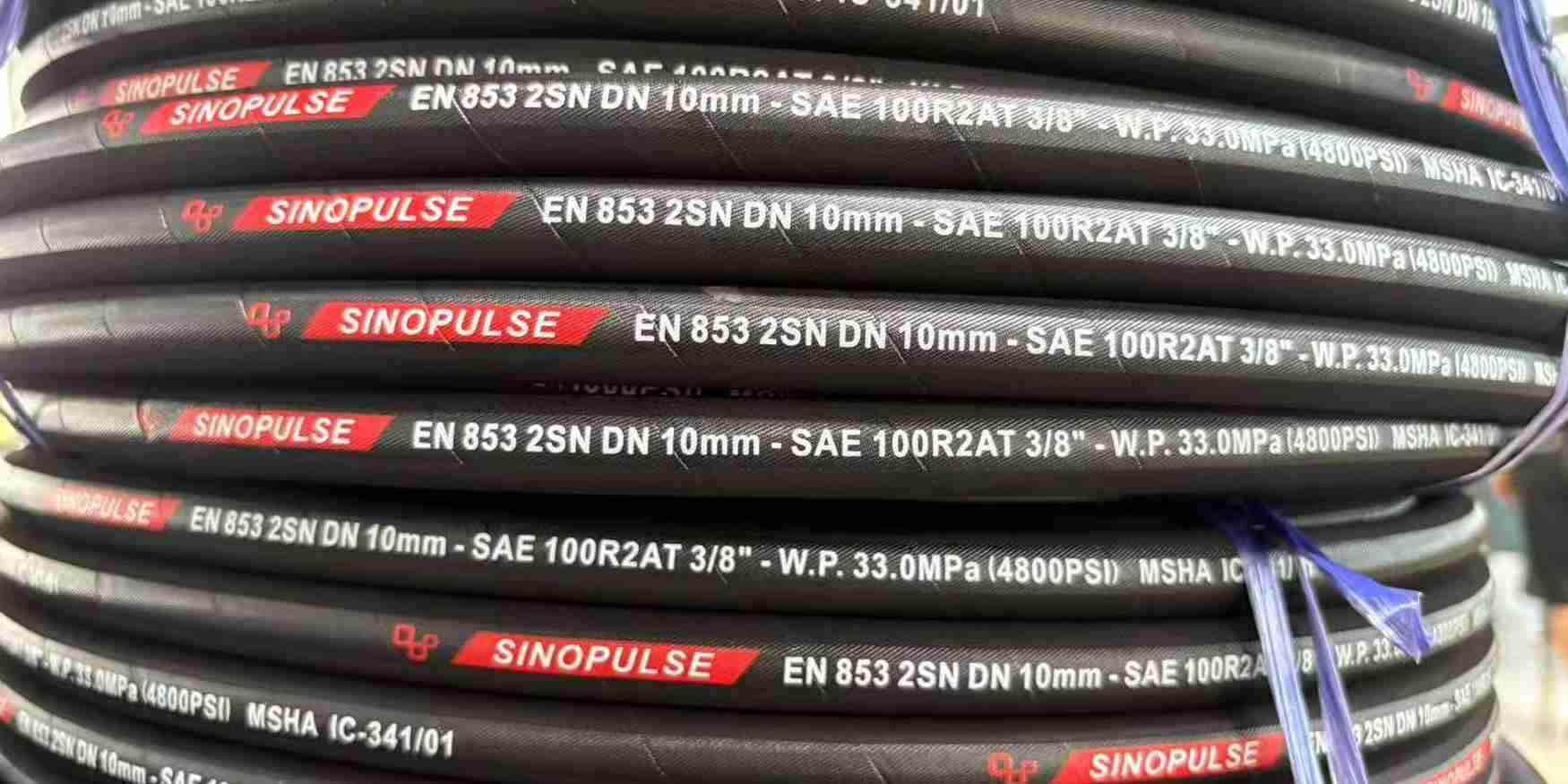
Hose Materials
The material of a hose determines its quality and price. For example:
Rubber hoses: While durable, they increase the product price.
Metal hoses: Ideal for high-temperature environments, but due to their special properties, the cost is slightly higher.
PVC hoses: Lightweight and inexpensive, but less durable.
Price fluctuations in the main materials of hoses, such as PVC, polyvinyl chloride, and rubber, directly affect the production cost of hoses. If raw material prices rise, the price of the hose will also increase.
Hose Size and Length
The diameter, length, and wall thickness of the hose all affect the price. Larger diameter or longer hoses require more material and are therefore more expensive. Custom-sized hoses will also cost more. Furthermore, please remember that hose dimensions are very important.
Hose Wall Thickness and Material Usage
Thicker hoses typically use more material, increasing costs.
Hose wall thickness and the type of braiding (single/double/multi-layer) directly impact cost. Double-layer hoses cost 40%-60% more than single-layer hoses and are used in high-pressure/tensile-resistant applications; thin-walled hoses are suitable for low-pressure flexible compensation, while thick-walled hoses are suitable for high-pressure/wear-resistant applications.
Hose Manufacturing Processes
Different manufacturing processes lead to cost differences. Hose using advanced technology or special processing methods have relatively higher production costs, resulting in a higher final product price.
Some hoses are suitable for general industrial applications, while others have much more complex structures. For example, some hoses have special coatings for conveying corrosive fluids; others can withstand extreme temperatures. The more complex the function of the hose, the higher the cost for the user.
For example, if a hose is designed to convey industrial chemicals, it may have multiple reinforcing layers and a non-conductive liner. Naturally, these design features increase the price.
Customized Hose Requirements
Customization of non-standard lengths, special connection methods, reducers, flanged short sections, special colors/markings, non-standard pressure/temperature parameters, etc., requires redesigning molds and adjusting production lines, resulting in a price premium of 20% - 80%.
Durability and Lifespan
Inexpensive hoses may seem like a good deal at first glance, but their lifespan and durability are poor. Investing in high-quality, reinforced hoses can save you from paying exorbitant prices in the long run, as these hoses are typically more expensive. Features such as heat resistance, UV protection, and abrasion resistance increase the cost, but in the long run, they are far more cost-effective than frequent hose replacements. Hose prices depend on a variety of functions; understanding your own needs is the first step.
Hose Manufacturing
The origin and manufacturing method of a hose also affect its price. While locally manufactured hoses may be more expensive, their quality assurance standards are more stringent.
Quality Control and Certification
Products certified by ISO9001, CE, SAE, DIN, MSHA, etc., are more expensive than uncertified products due to higher testing and compliance costs; third-party testing (pressure testing, leak testing, temperature resistance testing, corrosion resistance testing) also increases costs.
Custom Hose and Special Needs
Does your business require hoses with specific connector types or colors? Customization services incur additional costs. Whether it's a special shape, a unique and eye-catching brand logo, or custom connectors, these added features, while convenient and practical, also increase costs.
Hose Market Demand
The supply and demand relationship in the market directly affects prices. When demand is high, hose prices may rise; conversely, when supply is excessive, prices may fall.
Hose Brand Influence
Well-known brand hoses are often more expensive because the brand provides a certain level of quality assurance and market recognition. Internationally renowned brands (such as Parker and Eaton) have more comprehensive technology research and development, quality control, and after-sales service systems, resulting in prices that are 30% to 100% higher than Chinese brands. Leading Chinese manufacturers, while more expensive than small workshops, offer more reliable quality.
Hose Purchase Quantity
Purchase Quantity: Bulk purchases (>1000 meters) can obtain bulk discounts from the manufacturer, with unit prices 15% - 30% lower than retail (<10 meters); small batch customization (500 meters) is usually priced according to the "Minimum Order Quantity" and has the highest price.
Hose Transportation and Logistics Costs
After production, hoses need to be transported to their destination. Increased logistics costs can affect the final selling price, especially for long-distance or cross-border transportation.
How to Purchase Hose at a Reasonable Price
Clarify Core Parameters: First, determine the medium, working pressure, temperature, inner diameter, length, connection method, bending radius, and whether certification is required. Then, request a quote to avoid price discrepancies due to incomplete parameters.
Bulk Purchasing: Purchasing in bulk whenever possible reduces small-batch customization and lowers unit prices.
Balancing Cost and Performance: Select the appropriate material and pressure rating based on actual operating conditions. Avoid over-design (e.g., using 316L instead of 304 for neutral media).
Price Comparison and Factory Visits: Compare quotes from 3-5 suppliers. Verify the manufacturer's production qualifications, testing equipment, and case studies to avoid purchasing low-priced, inferior products.
The hoses price primarily depends on several factors: raw materials, design details, expected lifespan, and the degree of customization in the final product. Of course, there are also additional service and brand premium costs. Understanding these factors helps in balancing quality and cost when choosing a hose. After all, the right hose can not only save you a significant amount of money in the future but also prevent many problems.
Contact Sinopulse – a leading hose manufacturer in China – for the latest hose prices.