
Hydraulic hoses need to be cut to the appropriate length before assembly. Hydraulic hoses have a steel wire reinforcement layer, and using incorrect cutting tools and methods can lead to wear and inaccurate cuts. Hoses cut the wrong way may not fully fit into the hydraulic system, leading to premature failure.
Therefore, properly cutting hydraulic hoses is extremely important. You need to use the right tools and correct cutting techniques to properly cut hydraulic hoses, which will significantly extend the lifespan of the hydraulic hose assembly.
This guide will show you how to cut hydraulic hoses safely and effectively. We will introduce you to the necessary tools, cutting steps, and safety precautions, a secure connection with fittings, prevent leaks and extend the lifespan of your hydraulic system.
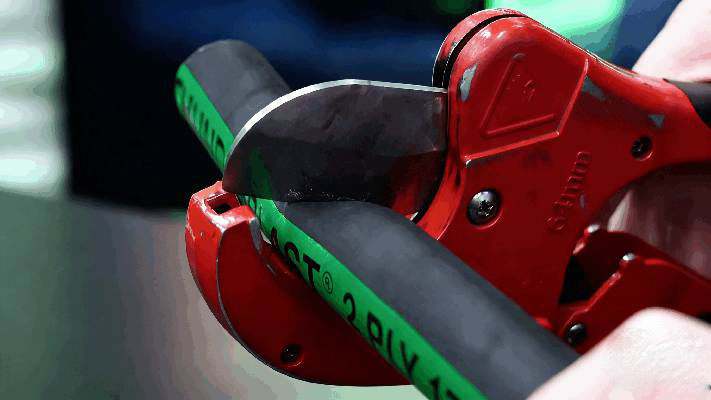
Step 1: Choose the Right Tool
Choosing the right tool is crucial for ensuring a clean, precise cut without damaging the hose. For most hydraulic rubber hoses, a hydraulic hose cutter is the best option. For steel wire-reinforced hoses, a fine-toothed saw may be necessary for a clean cut.
Using the appropriate cutting tool, such as a handheld hose cutter or a dedicated hydraulic hose saw, will produce a clean, perpendicular cut, preventing hose fraying or deformation. Using inappropriate tools, such as a utility knife or wire cutters, can flatten the hose, leading to seal failure and ultimately hose damage.
Required tools:
Hose cutter (for rubber and thermoplastic hoses) or fine-toothed saw (for wire-reinforced hoses). These are essential tools for achieving precise cuts on hydraulic hoses. Using these cutters, you can ensure a perfect fit between the hose and the hydraulic hose crimping machine, thus maintaining the integrity and performance of the system. Well-cut hoses reduce the risk of leaks and improve the efficiency of the hydraulic system.
Clamp: Using a clamp to secure the hose prevents the hose from twisting during the cutting process.
Tape measure and marker pen: A tape measure is essential for determining the required hose length for the application. Accurate measurements prevent waste and ensure the hose perfectly matches the hydraulic system. Before cutting the hose, be sure to make clear markings on the hose to avoid errors and ensure precise installation.
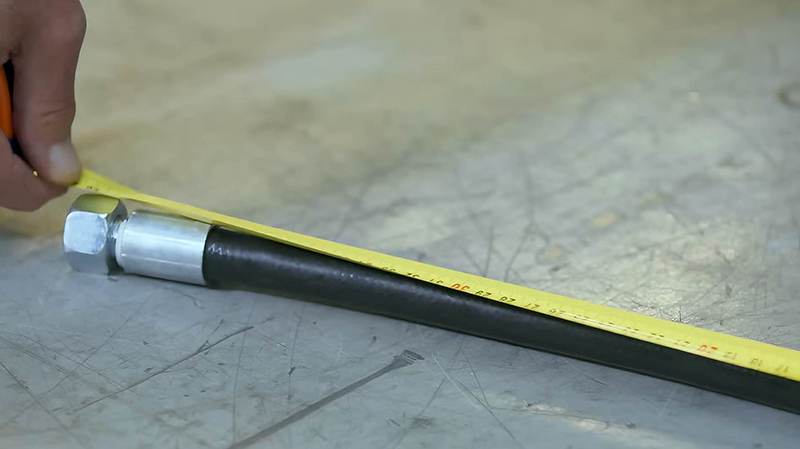
Step 2: Measuring and Marking
First, you need to use a tape measure to accurately measure the required hose length for your specific application. Then, clearly mark the cutting line on the hose. This precise measurement is crucial to prevent waste and ensure the hose fits perfectly into the system.
When measuring the hose, make sure to keep it straight and not bent. Use a tape measure or ruler to measure the required hose length and accurately mark the cutting line with a pen or chalk, ensuring a clear reference line. This is especially important when cutting multiple hoses for a project and needing them to be exactly the same length to build a uniform system. Always double-check the measurements before cutting to avoid errors.
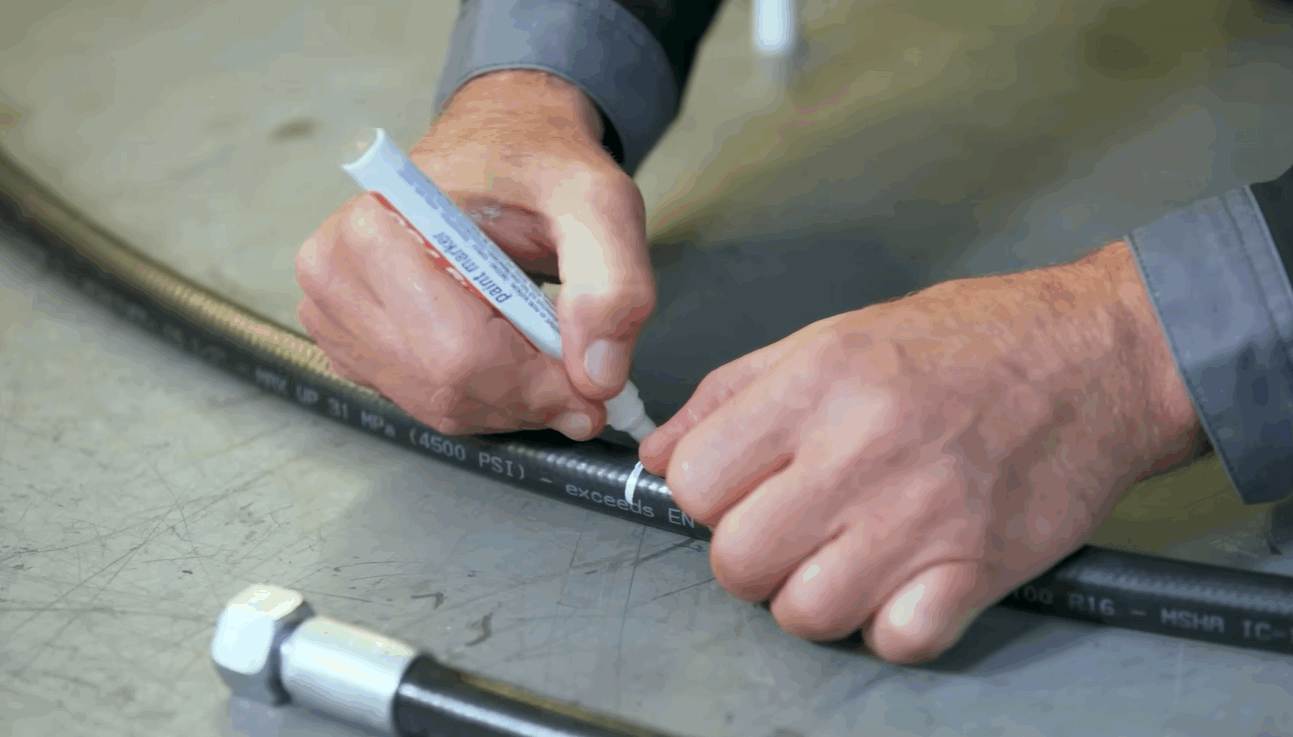
Step 3: Secure the Hose
Before cutting, ensure the hose is securely fixed in place. This prevents the hose from shifting or twisting during cutting, thus avoiding uneven cuts. You can use a vise or clamp to hold it in place.
Properly securing the hose ensures a straight and even cut, which is crucial for a secure crimp connection. If the hose moves during cutting, it may result in a slanted or flattened cut, preventing proper insertion into the fitting and potentially causing assembly failure.
Step 4: Cut Hydraulic Hose
When cutting hydraulic hoses, you need to maintain steady and even pressure. This uniform pressure ensures a clean, straight cut. If using a handheld cutter, align the hose cutter with the marked position and firmly and steadily squeeze the handles to cut. Avoid quick, rough cuts or bending the hose during the cutting process, as this can result in an uneven cut with jagged edges and potentially damage the inner tube or outer layer. After cutting, inspect the end of the hose to ensure a clean, smooth cut, which is the ideal surface for a secure, leak-proof crimped connection with the fitting.
Step 5: Inspect the Hydraulic Hose Cut
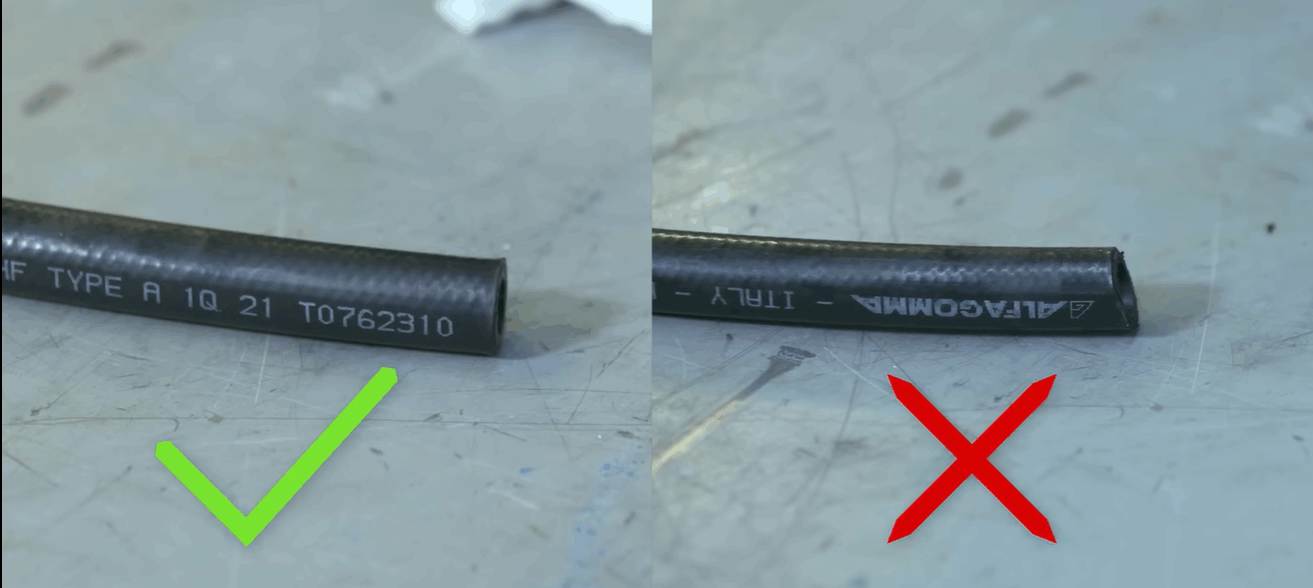
After cutting, check that the end of the hose is clean and the cut is perpendicular. A clean, straight cut is crucial for proper crimping. If the cut is jagged or uneven, you may need to trim the end again to ensure it is perfectly straight.
An uneven cut will create a weak point in the hose assembly. Carefully inspect the cut end to ensure it is perfectly flat so that the fitting can be properly installed. This small but crucial step can prevent leaks and system failures later on.
Step 6: Cleaning the Hose
Cutting hydraulic hoses often generates small debris and particles inside the hose. It is crucial to thoroughly clean the inside of the hose using a jet cleaner to prevent contamination of the hydraulic fluid. Contamination can lead to pump damage or other system malfunctions.
If the hose is not properly cleaned, metal or rubber particles can enter the hydraulic system, causing filter blockage, seal wear, and damage to expensive components such as pumps and valves. Using a specialized cleaning method ensures the hose is completely free of debris before installation.
Step 7: Sealing the Ends or Securing the Fittings
After the hose has been cut and cleaned, it is ready for crimping. At this point, you will need to install the fittings onto the ends of the hose. This final preparation ensures that the fittings are properly positioned before permanent crimping, creating a secure seal.
If the hose is only for temporary use, you will need to seal both ends to prevent contamination and leakage. There are several methods for sealing hydraulic hoses, including using heat shrink tubing, hose clamps, or tape. Choose the method that best suits your needs and ensures a secure, leak-proof seal.
What tools are used to cut hydraulic hoses?
The first step in cutting a hydraulic hose is choosing the right cutting tool. A sharp and clean-cutting tool is crucial to prevent the hose from fraying or being crushed during the cutting process.
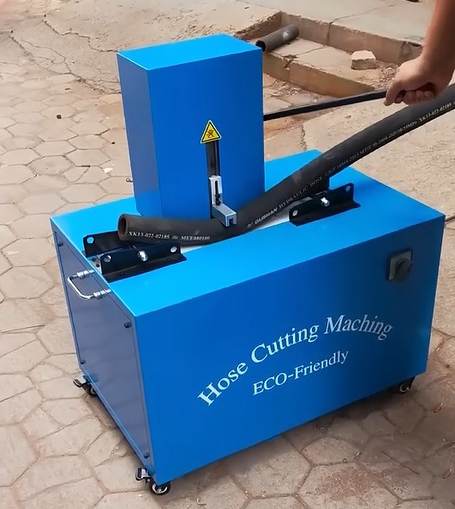
Hydraulic Hose Cutting machine: For steel-reinforced hoses, a hydraulic hose cutter equipped with a fine-toothed metal blade is the professional standard tool. This tool provides a clean, precise cut without deforming the hose or damaging the steel wires. It is the most effective method for cutting high-pressure multi-layer spiral hoses.
Handheld Hose Cutter: For single-layer steel wire or non-reinforced rubber and thermoplastic hoses, a handheld scissor-type cutter is a good option. Handheld hose cutters are the most commonly used tool for cutting hydraulic hoses because they provide a clean, straight cut with minimal effort, and are portable and easy to use. However, it is not suitable for multi-layer steel wire hoses, as it may crush and damage the hose structure.
Abrasive Wheel Cutter: Although abrasive wheel cutters are often used, they are generally not recommended for cutting hydraulic hoses. The heat generated by the friction of the abrasive wheel can melt the inner tube of the hose and produce harmful gases. This method also leaves a jagged, uneven cut, making proper crimping difficult.
Axe: For the axe, it's a decent alternative and works for enough applications. Most farm equipment only uses 2-wire hose. I think an axe would struggle with 4-wire hose.
Precautions to Cut Hydraulic Hoses
Use the right tools: Never use utility knives or wire cutters to cut hydraulic hoses. These tools will flatten the reinforcement layer of the hose, reducing its strength. For braided hoses, use a dedicated hydraulic hose saw; for non-braided hoses, use sharp, scissor-type cutters.
Secure the hydraulic hose: A loose hose can result in uneven or angled cuts. Always secure the hose firmly in a vise or clamp before cutting. This ensures the cut is perfectly perpendicular to the hose, which is crucial for proper crimping and a leak-free seal.
Measure twice, cut once: This old adage is especially true for hydraulic hoses. Always double-check your measurements before cutting. Cutting a hose too short can be costly, as you'll have to scrap the entire length of hose and start over.
Clean after cutting: The cutting process generates fine rubber and metal debris that can contaminate the hydraulic fluid. After cutting, thoroughly flush the inside of the hose with a dedicated jet cleaner or compressed air to prevent costly system damage.
In this guide, you learned how to cut hydraulic hoses accurately and safely. By following the step-by-step cutting process, you can ensure the reliability of your hydraulic hose assemblies. Remember, every detail is crucial, from choosing the right cutting tool to ensuring a straight cut, as these directly impact the performance and lifespan of your equipment. Taking the time to learn and practice these techniques will be well worth it in the long run.
If you need to purchase hydraulic hoses in bulk, Sinopulse is an excellent choice. We offer a wide range of high-quality hydraulic hoses and fittings, ensuring you can find the right components for various applications.