
Hydraulic hoses are essential components in many industries, transmitting fluids for the efficient operation of machinery and systems. This comprehensive guide will explore the types of hoses, their components, common uses, and maintenance. You’ll find useful tips to maximize both the performance and the longevity of your items.
What are hydraulic hoses?
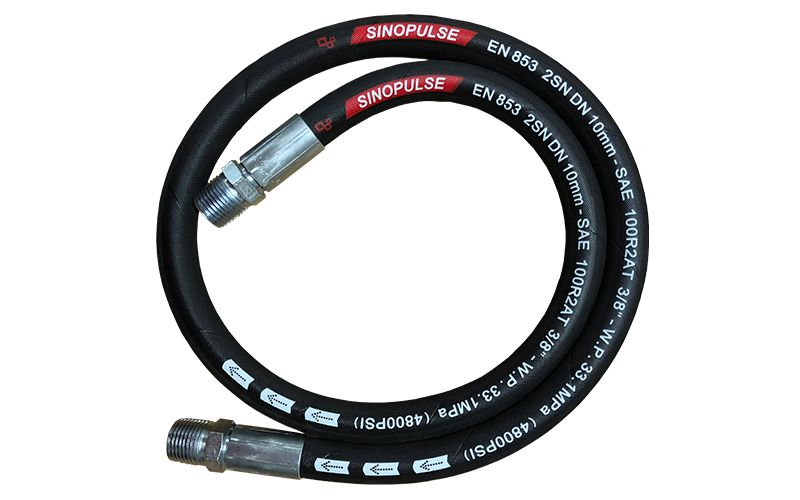
Hydraulic hoses are essential components in hydraulic systems, used to transmit fluids at high pressure.
They are designed to transport oils, hydraulic fluids, or other fluids in systems that require hydraulic power to work on machines. These hoses are constructed from durable and flexible materials, typically synthetic rubber, thermoplastic reinforced with steel wires, or a combination of both.
Hydraulic hoses are essential for the safe and efficient transmission of power in hydraulic systems, such as those found in industrial machinery, construction equipment, heavy vehicles, and aircraft. Pressure resistance, flexibility, and durability are key characteristics of these hoses to ensure reliable performance in demanding industrial environments.
How to Classify Hydraulic Hoses?
Hydraulic hoses are classified based on several factors, including:
Pressure: Hydraulic hoses are rated by the maximum pressure they can withstand. Hydraulic hoses are usually marked with their pressure resistance or working pressure range. Pressure is usually expressed in megapascals (MPa) or pounds per square inch (psi), such as 20 MPa, 3000 psi, etc. In addition,
Inner diameter (ID): Hydraulic hoses usually have a specific inner diameter, which is used to determine the size of the channel for the fluid inside the pipe.
Temperature: Hydraulic hoses are classified by the maximum temperature they can withstand. The applicable temperature range of hydraulic pipes is the temperature that they can withstand for a long time during operation, which is generally -40 °C to 120°C.
Material: Hydraulic hoses are made from a variety of materials, including rubber, plastic, and metal.
Hydraulic hose bend radius (MBR): The minimum bend radius is another important hydraulic hose specification. It indicates the smallest radius that the hose can be safely bent without causing damage or compromising its structural integrity.
Usage: Hydraulic hoses are classified, according to their intended use, as supply hoses, return hoses, and control hoses.
Fittings: Some of our hydraulic pipe parameter tables also indicate the corresponding fittings, which can be ordered together if you need. If you want a hydraulic pipe assembly, but don’t know which fitting the hydraulic pipe should match, you can leave us a message to express your problem, and we will give you a solution as soon as we receive the information.
What are the components of a hydraulic hose?
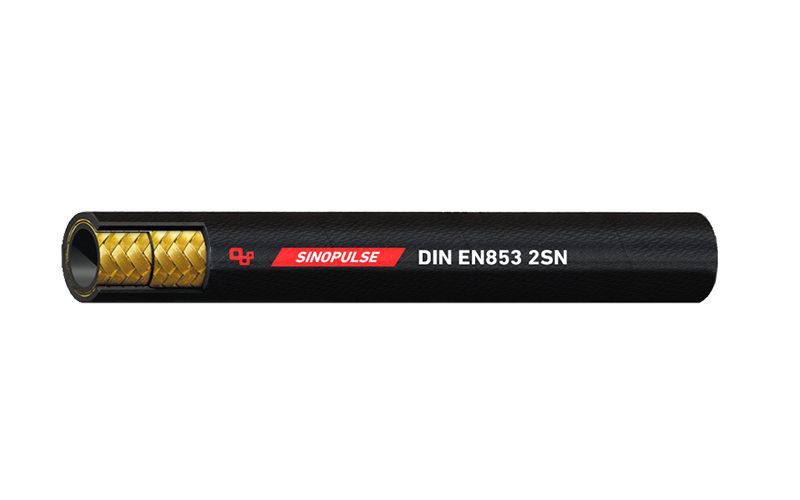
Hydraulic hoses consist of several components that work together to provide efficient fluid flow under pressure. The main components of a hydraulic hose are:
Inner Tube
This is the inner layer of the hose and is in direct contact with the hydraulic fluid. It is made of materials compatible with the type of fluid being transported, such as synthetic rubber or thermoplastic polymers.
| Tube Material | Characteristics | Application |
| Synthetic rubber | Excellent flexibility | Hydraulic oil (mineral oil-based) lubricating oil Diesel, fuel oil Water-glycol hydraulic fluid compressed air General industrial fluids |
| Fluoropolymer | – Outstanding chemical and corrosion resistance – Operates in high temperatures – Long shelf life |
Strong acids and strong bases Various types of chemicals Solvents (toluene, acetone, MEK, etc.) Fuel, aviation fuel Hydraulic oil (high temperature) Gases (oxygen, nitrogen, hydrogen) Pharmaceutical and food-grade fluids (FDA-compliant) |
| Thermoplastics | – Tight minimum bend radii – Superior kink resistance |
hydraulic oil synthetic oil Water-based hydraulic fluid compressed air water |
Reinforcement
This component reinforces the hose to withstand internal pressure. It can be one or more layers of braided or spiraled steel wires, depending on the application and the required pressure.
| Reinforcement type | Application | Characteristics |
| Spiral wound hose | Extremely high-pressure applications: construction equipment and heavy-duty off-road vehicles | - Two or more sets of helically wrapped high-tensile wire - Makes for a rigid hose with exceptional strength - Limited flexibility |
| Braided hydraulic hose | - Low-to-medium pressure applications: construction and agriculture equipment - High-pressure applications: oil and hydraulic lines on construction and agriculture equipment |
- More tensile play than spiral hose - This gives hose a tighter radius and good flexibility - Braids overlap, creating wear by rubbing together – can fail when subjected to high-impulse loads |
| Helical hose | - Vacuum pressure suction - Return line hose applications that would collapse both braided and spiral hose on itself |
- Maximum flexibility - Construction prevents collapse under vacuum pressure - Helixes don’t overlap each other, avoiding wear by rubbing against each other; result: better impulse load resistance than plain braided hoses |
Outer Cover
The outer layer of the hose that provides protection against abrasion, weathering, and other environmental factors. Made of durable materials such as rubber, thermoplastic, or a combination of both.
Reinforced Cover
In some hoses, especially those designed for harsher environments, there may be an additional layer of reinforcement in the outer cover to improve resistance to abrasion and impacts.
Connections
The ends of the hose are usually equipped with connections, such as fittings, flanges or couplings, which allow the hose to be connected to the hydraulic system.
Crimping or Joining
This is the process of joining the connections to the ends of the hose by crimping or joining, ensuring a secure and airtight joint.
Marking
Hydraulic hoses usually have markings that provide important information, such as working pressure, maximum temperature, compatible fluid type, and other relevant data.
The combination and quality of these components vary depending on the type of hose and its specific applications. Selecting the correct hose is crucial to ensure safe and efficient operation of the hydraulic system.
Types of hydraulic hoses
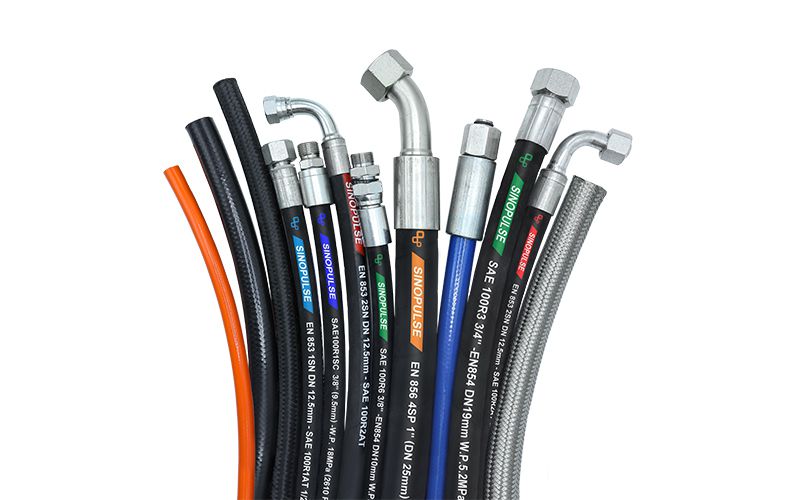
There are several types of hydraulic hoses , and choosing the right type depends on factors such as the specific application, working pressure, temperature, and strength requirements. Some common types of hydraulic hoses include:
Rubber Hoses
Every industrial hydraulic hose application has different requirements, whether it's high or low pressure, fast or slow transfer rates, or materials ranging from air to water to hazardous chemicals. Sinopulse offers a broad portfolio of industrial rubber hydraulic hoses to serve a wide range of markets and applications with unique requirements.
- Made with synthetic rubber compounds.
- Suitable for standard low- to medium-pressure applications.
- Flexible and abrasion-resistant.
Thermoplastic Hoses
- Made from thermoplastic materials such as polyethylene, polyurethane, or nylon.
- Lightweight and flexible, ideal for high-pressure applications.
- Resistant to abrasion and certain chemicals.
Steel Braided Hoses
Sinopulse offers a premium product line for demanding hydraulic challenges and a standard line for everyday applications. Our braided hoses with advanced wire reinforcement technology and leak-free connections provide exceptional pressure performance, temperature resistance, and flexibility. this type hose is ideal for conveying industrial fluids under demanding conditions or for specialized applications such as high- or low-temperature environments. Choose Sinopulse for durable, reliable, and high-performance fluid handling solutions.
- Reinforced with layers of steel wire.
- Greater pressure resistance and greater durability.
- Used in high-pressure applications and demanding environments.
Steel Spiral Hoses
Sinopulse offers a range of robust, high-pressure, high-pulsation, high-performance spiral hoses and leak- and corrosion-resistant spiral fittings that can withstand even the most extreme pressure applications. Our high-performance spiral hoses and fittings are ideal for a wide range of applications, including construction, mining, and oil and gas, among others. Designed for powerful equipment and heavy machinery, our spiral hoses feature four or six layers of spiral wire reinforcement, providing strong, long-lasting performance in the toughest working conditions.
- Reinforced with steel wire spirals.
- They provide greater pressure resistance and flexibility.
- Suitable for high pressure and vibration applications.
Teflon (PTFE) hoses
Sinopulse supply highest quality PTFE hoses, crimp and field-assembly fittings, and Teflon fluoropolymer hoses for versatile applications.
- Made with polytetrafluoroethylene polymer.
- Excellent chemical and thermal resistance.
- Used in applications involving harsh chemicals or high temperatures.
High-Temperature Hoses
Our high-temperature hose is designed to withstand extreme temperatures. This type of hose is used in applications where high temperatures are generated, such as hydraulic systems, near engines.
Coolant Hoses
Sinopulse coolant hose is specifically designed to transport cooling fluids in cars. It is resistant to temperatures and pressures associated with refrigeration systems. Selecting the correct hose according to the specific needs of the hydraulic system is essential to ensure optimal and safe performance.
How to Select a Hydraulic Hose
Selecting the right hydraulic hose is crucial to ensuring safe and efficient system operation. Here are some tips to help you choose:
Understanding the Application Requirements
Analyze the application specifications, such as working pressure, temperature, fluid type, and operating environment. These factors will affect the choice of hose.
Chemical Compatibility
Verify that the hose is compatible with the type of hydraulic fluid that will be used. Some fluids can be corrosive or have properties that require specific hoses.
Working Pressure
Make sure the hose has a suitable working pressure rating for the application. Consider potential pressure spikes and select a hose that can handle them.
Flexibility and Radius of Curvature
Evaluate the hose's flexibility and bend radius. Ensure the hose can be bent to meet installation requirements without compromising its integrity.
Operating Temperature
Consider the fluid and ambient temperature. Some hoses are designed to withstand extreme temperatures, while others can become rigid or be damaged at high temperatures.
Reinforcement and Abrasion Resistance
Consider the work environment. If there is a risk of abrasion, choose a hose with robust reinforcement and an abrasion-resistant cover.
Length and Dimensions
Determine the required hose length and ensure the dimensions are appropriate for the installation. Take into account temperature and pressure variations that may affect the hose's expansion or contraction.
Connections and Assembly
Make sure the hose connections are compatible with the system components and that the assembly is appropriate for the application.
Regulations and Standards
Verify that the hose complies with industry regulations and standards to ensure safety and quality.
Consult with Experts
If you have any questions or need specific guidance, consult with manufacturers, distributors, or industry professionals for technical advice.
By following these tips and taking into account the specific requirements of your application, you will be able to select the most suitable hydraulic hose for your industrial hydraulic system.
In conclusion, understanding hydraulic hoses is essential for optimizing the performance of machinery and installations. With this comprehensive guide, we are confident that you will be able to make informed decisions and ensure the efficient and safe use of hydraulic hoses in your industrial applications.
Discover Sinopulse SAE 100 R1AT, R2AT, R12AT and PTFE hydraulic hoses, designed for high pressure and corrosive fluids. Durable and reliable performance for all your applications.
1SN R1AT Hydraulic Hoses: High Pressure and Resistance for Industrial and Agricultural Use
2SN / SAE 100 R2AT Hydraulic Hose: High Pressure Hydraulic Hoses 2 Mesh SAE100R2AT for Industrial and Agricultural Use
Smooth Cover SAE 100 R2AT Hydraulic Hose: Hydraulic Hoses with Smooth Cover, 2 Layers – High Strength and Flexibility
100 R12AT Hydraulic Hose: Hydraulic Hose 4 Mesh – High Pressure and Resistance
SAE 100 R5 Hydraulic Hose: R5 Hydraulic Hoses for High Pressure - Industrial and Agricultural Use
R14 Hydraulic Hose: Teflon Hoses – High Temperature and Chemical Resistance