
Selecting hydraulic hoses is critical for ensuring the longevity and performance of your hydraulic systems. Whether you're working in any applications, choosing the right hose can prevent costly downtime and improve efficiency. In hydraulic hose selection, the acronym S.T.A.M.P.(E.D.) serves as a practical guide to defining the key characteristics of a hose.
To ensure you choose the right hydraulic hose, follow this practical guide. It will help you make right hydraulic hose selection.
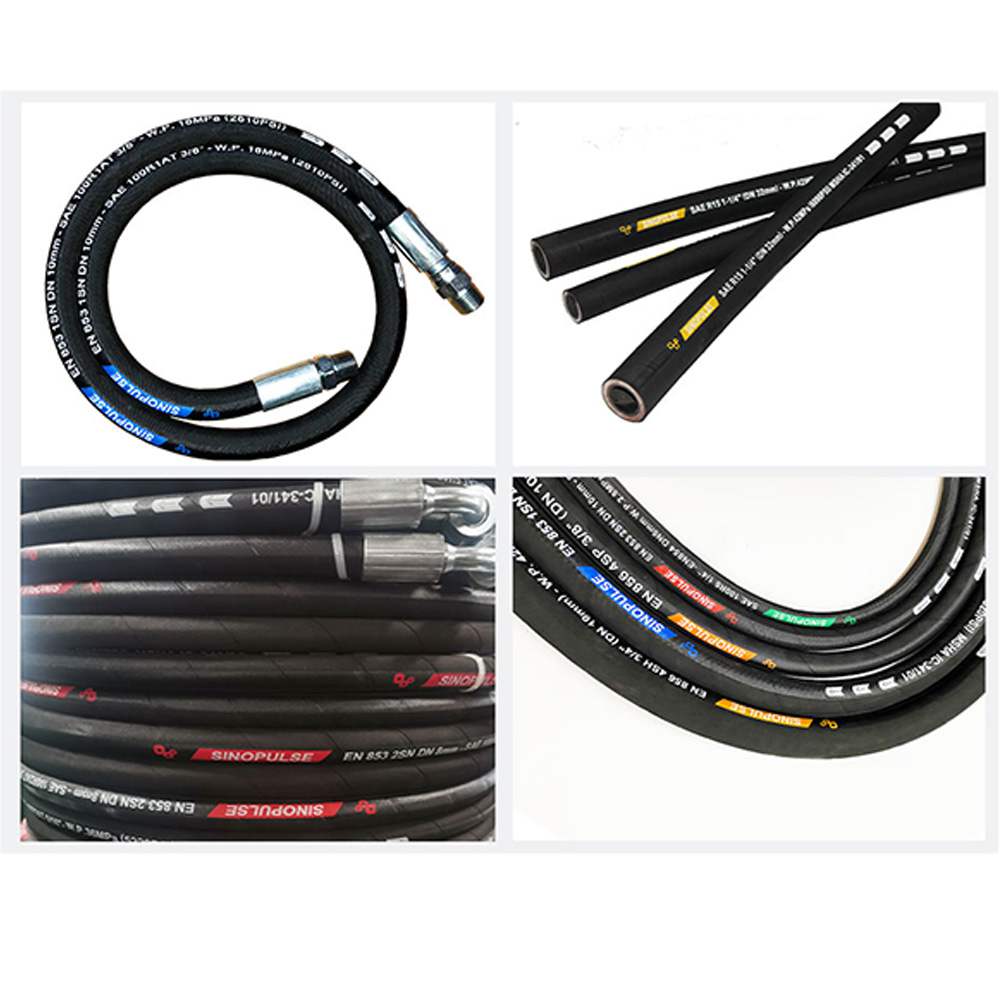
STAMPED: Select the Right Hydraulic Hose Detail
The STAMP acronym stands for Size, Temperature, Application, Media, Pressure, and Delivery. Each factor plays an essential role in ensuring your hydraulic system functions smoothly and reliably. Here’s what each letter represents and why it matters:
S - Size
One of the most important hydraulic hose selection factors to consider is size. Size refers to both the hose's length and diameter, which affect the flow rate of the medium being transported. Choosing the appropriate hose size ensures proper fluid flow. A hose that is too small will lead to increased operating temperature and pressure, while a hose that is too large will reduce equipment efficiency. The hose length should also be sufficient for maneuverability within the hydraulic system. However, an overly long hose may cause tangling or wear.
T - Temperature
T for temperature.Temperature is another crucial factor in the selection of hydraulic hoses. Temperature includes two main areas of environmental temperature and media temperature.
The temperature of the fluid directly impacts both the service life and efficiency of the hose. Each hose is rated for a specific maximum operating temperature, typically ranging from 200°F (93°C) to 300°F (149°C). Furthermore, different materials—such as specific compounds and polytetrafluoroethylene (PTFE)—exhibit varying temperature resistance ranges, spanning from -65°F (-54°C) to 400°F (204°C).
High temperatures accelerate hose aging, shortening its service life and leading to premature failure. Conversely, low temperatures cause hoses to harden, making them prone to cracking. Therefore, you should select the appropriate hydraulic hose based on your ambient temperature.
A - Application
The specific application is another critical factor in selecting the appropriate hydraulic hose assembly. Hydraulic hoses have wide applications, ranging from mining to construction, they are extensively employed in industrial machinery, petroleum equipment, fuel tankers, and water trucks. Different applications need different types of hydraulic hoses. For instance, compact spaces require hoses with high flexibility. Where contact with rough or abrasive surfaces, the hoses must possess superior abrasion resistance. Hydraulic hoses intended for heavy construction machinery may require exceptional abrasion resistance, whereas those used in food processing must be food-grade and non-toxic. Understanding the specific requirements of your application is paramount to making the correct selection.
M - Media (Fluid Compatibility)
M is for media; The type of medium you are conveying also influences the selection of the hose. For instance, if you are conveying specific chemicals, you will need to select a PTFE hydraulic hose capable of withstanding both corrosion and high temperatures. Butyl rubber is a commonly used material for manufacturing oil-resistant hydraulic hoses, offering excellent resistance to oil and acids, as well as superior resistance to abrasion and aging. Therefore, it is essential to select the appropriate hose based on the specific properties of the fluid being conveyed; simultaneously, choosing the right components—including the outer cover, inner tube, O-rings, and fittings—is equally critical.
P - Pressure
Hydraulic systems operate under high pressure, and hydraulic hoses must be capable of functioning within the system's maximum working pressure range. Using a hose with an insufficient maximum working pressure rating can lead to catastrophic failure, posing severe safety hazards. Conversely, using a hose rated for excessively high pressure may result in increased costs and hose weight. Furthermore, the hose's working pressure rating should incorporate a safety margin—remaining well below the hose's specified burst pressure—to accommodate pressure fluctuations or spikes. Selecting a hose that meets these specific pressure requirements helps prevent hose ruptures and leaks. You can make your hose selection based on your specific pressure requirements.
E - End requirements
Hydraulic hose ends—also known as fittings or connectors—are critical components that connect a hose to the rest of a hydraulic system. Selecting the correct fittings is essential for ensuring a leak-free connection. The specific type of fitting required depends on various factors, such as hose size, thread type, and the intended application. Please select hose fittings with an inner diameter and design that are precisely matched to your specific application environment. Furthermore, the material of the fittings must be compatible with the fluid medium you intend to convey; this effectively prevents leaks and mitigates potential hazards. Additionally, appropriate fittings ensure compatibility with existing hydraulic system components, thereby facilitating the rapid installation and maintenance of both fittings and assemblies. Please select your hose fittings based on the specific requirements of your equipment.
D - Delivery (Flow Rate)
Leading hydraulic hose suppliers offer exceptional after-sales service and rapid global product distribution. Concurrently, they provide technical design support for hydraulic hoses and fittings, while remaining committed to the continuous improvement of their products and manufacturing processes—including rigorous, ongoing quality testing of their hoses. Prompt delivery is guaranteed.
Hydraulic Hose Selection Chart
| S | Size | Consider the inside and outside diameters as well as the hose length and overall length with fittings. |
| T | Temperature | Account for fluid and external temperatures of your application. |
| A | Application | Understand the hose’s use, environment, and requirements like bend radius or abrasion resistance. |
| M | Material | Ensure hose materials are compatible with the media being conveyed to prevent degradation. |
| P | Pressure | Match the hose’s pressure rating with the system’s pressure and impulse pressure. |
| E | Ends or Couplings | Secure leak-free connections compatible with the hose and system. |
| D | Delivery | Consider the speed and volume of the fluid conveyed by the hose, plus availability, testing, timing, packaging, and transportation. |
Selecting the Right Hydraulic Hose Is Crucial
Using the wrong hydraulic hose can lead to hose failure during operation, resulting in interruptions and downtime. If the hose is incompatible with the fluid being conveyed, it may be unable to withstand the system's temperature and pressure, thereby damaging hydraulic components, valves, pumps, and other machinery. Furthermore, utilizing an incorrect hose within the system can lead to leaks, which negatively impact overall system performance.
Final Thoughts
Selecting the correct hydraulic hose is essential to ensure the efficiency and safety of your hydraulic systems. You are choosing the right host for the application By following the STAMPED method—Size, Temperature, Application, Media, Pressure, End, and Delivery—you can confidently select the hose that best meets your application’s needs.
Don’t forget to always check hydraulic hose manufacturer specifications and consult with experts when necessary to avoid any missteps. A well-chosen hydraulic hose can prevent system failures, reduce maintenance costs, and enhance performance over the long term.
Companies that rely on hydraulic systems understand that selecting the right hydraulic hoses is critical. Choosing the wrong hose can compromise the lifespan, efficiency, and safety of your equipment. The experts at Sinopulse can assist you in selecting the hydraulic hoses best suited to your specific application. Drawing on our extensive experience in manufacturing and supplying hydraulic hoses and fittings, we are able to respond rapidly to the needs of a wide range of industries. Contact us to learn more. We would be happy to help you minimize the risk of premature failure, maintain system integrity, and ensure the smooth operation of your systems.