
Hydraulic Hose Philippines
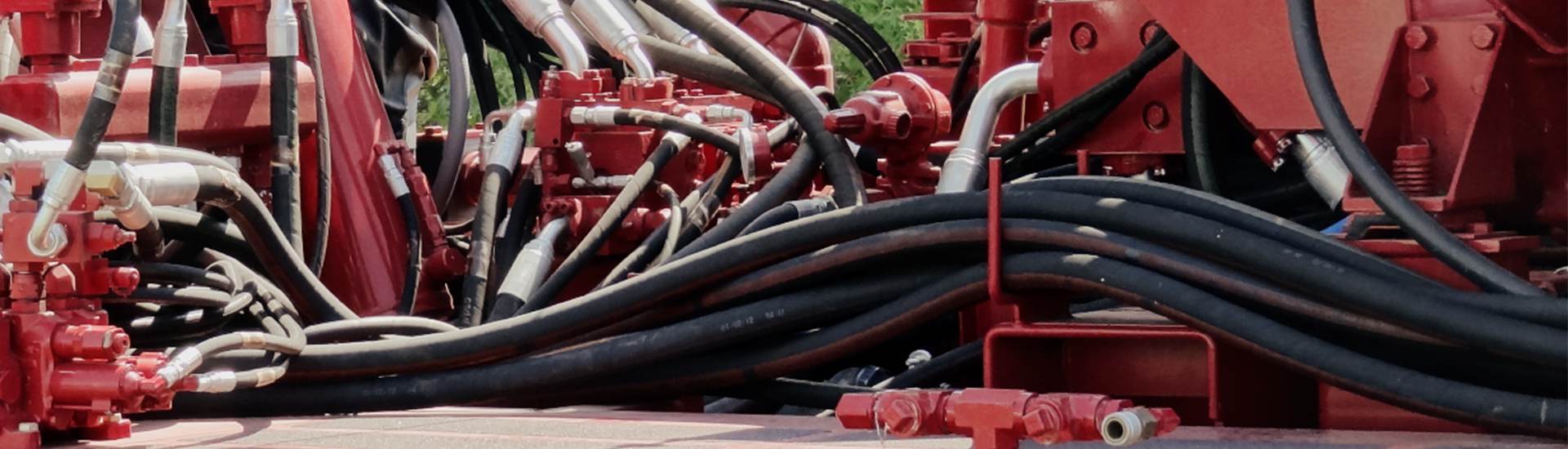
A hydraulic hose is used to convey hydraulic fluid and is an important hose for connecting hydraulic components. It is very flexible and has multiple layers of reinforcement to withstand higher pressures. These hoses are constructed with several layers of reinforcement materials since hydraulic systems frequently operate at high or very high pressures and/or temperatures.
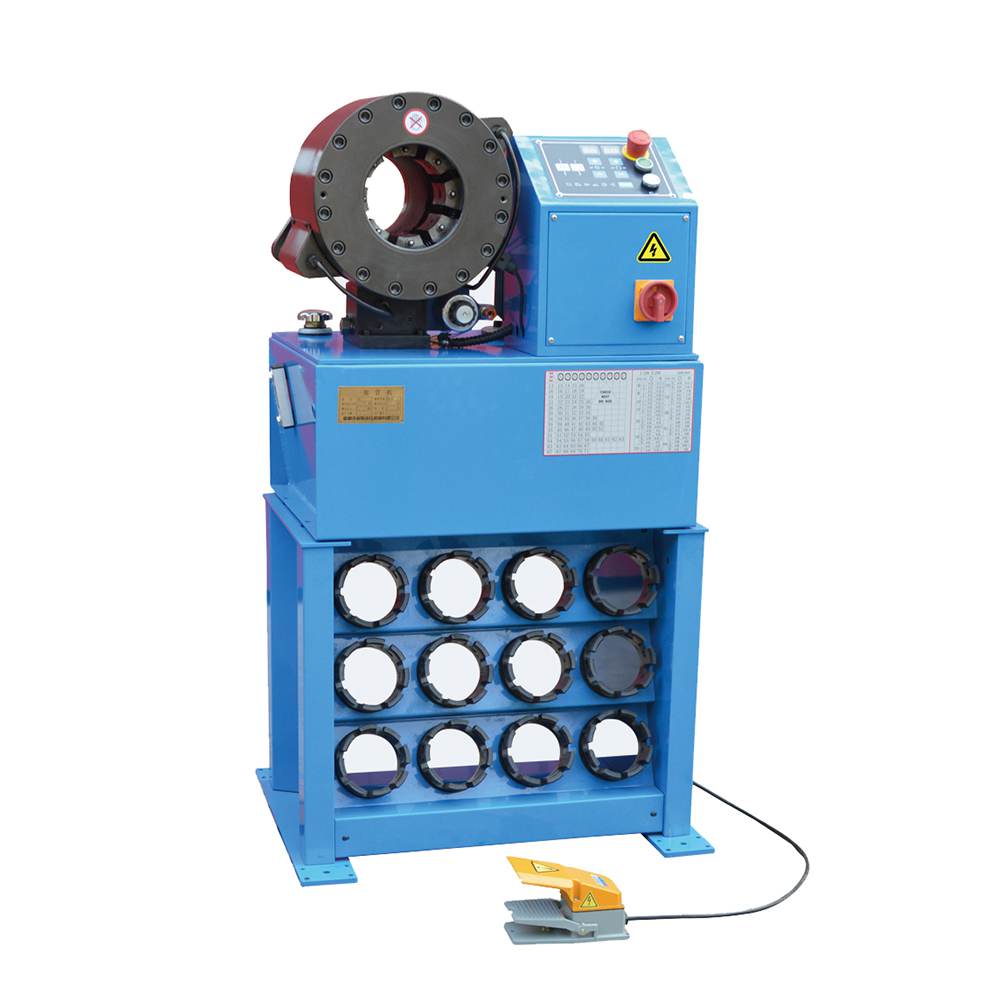
APPLICATION
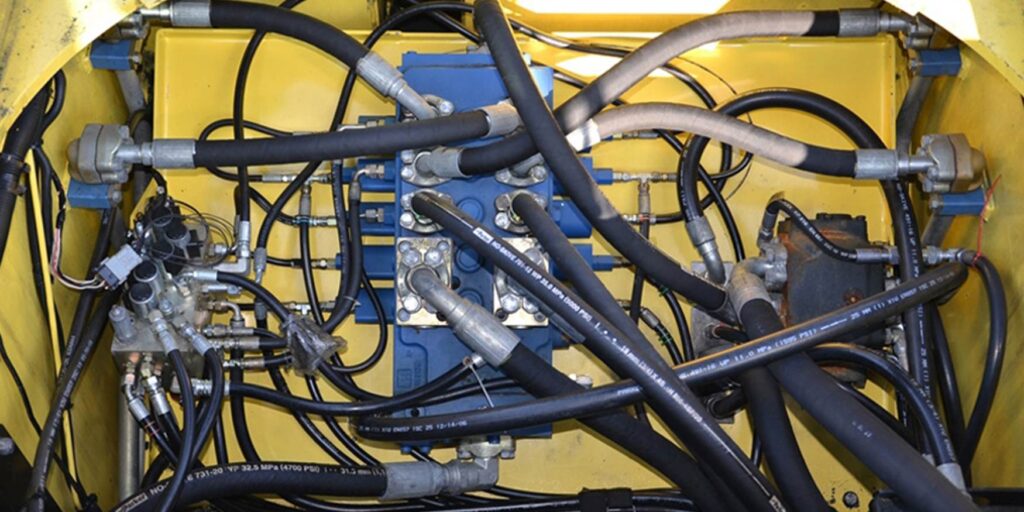
- We serve a wide range of equipment including mining, agricultural, manufacturing, construction, shipping, and drilling.
- We also serve non-hydraulic related systems such as trucks, buses, cars, and other large diesel-powered vehicles.
- We have a dedicated and competent staff in order to serve you every step of the way. We make sure that the best quality goes into our products.
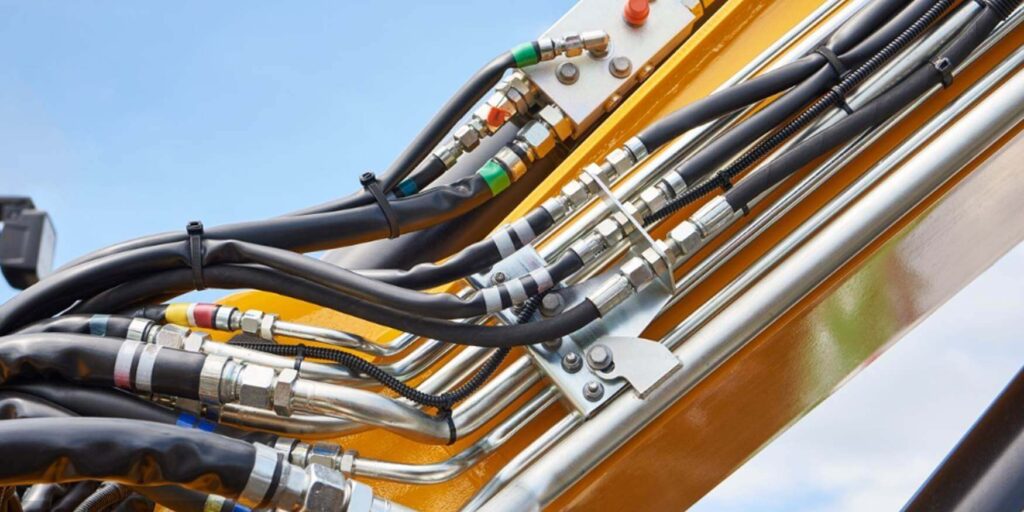
OUR SERVICES
- Available: Our daily production capacity is 100,000 fittings and 80,000 meters of hoses, ensuring timely and accurate delivery according to schedule. We are always there for you whenever you need us.
- Quality: We provide the highest quality hose assemblies, including hoses and stainless steel fittings. All hoses and fittings meet ISO9001 and MSHA standards, guaranteeing quality.
- Service: Our experienced staff is available 24/7 to answer and resolve your questions.
- Price: We offer high-quality products at competitive prices.
Related Product
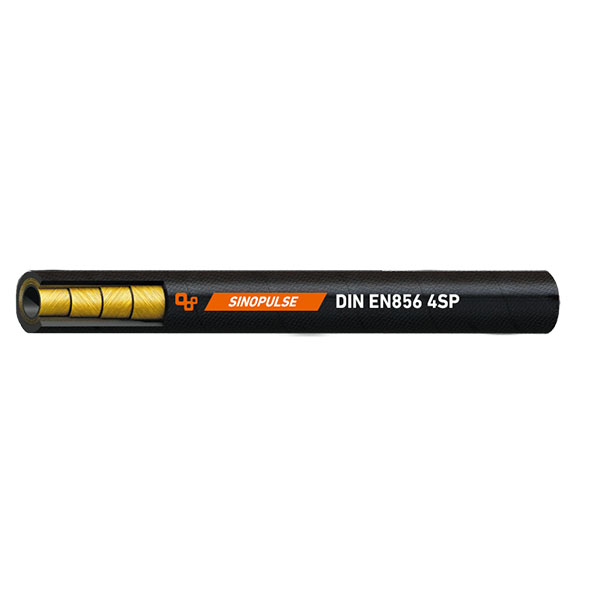
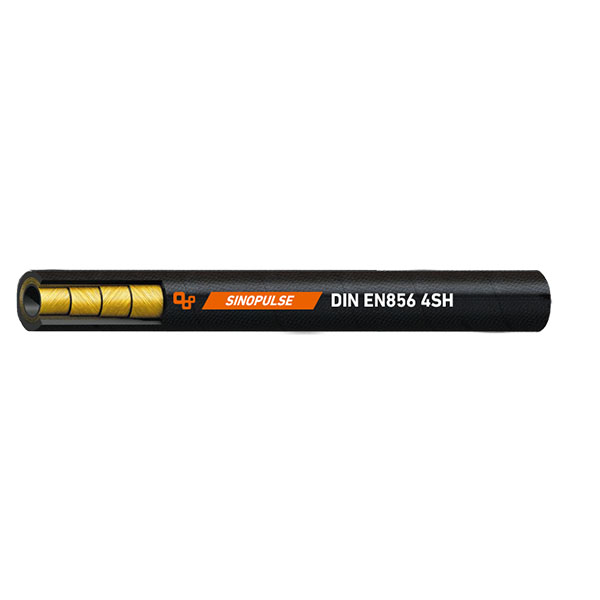
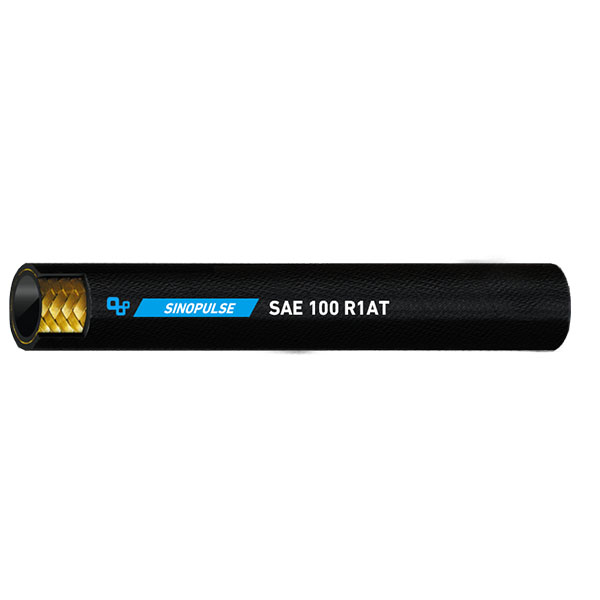

What Is a Hydraulic Hose
A hydraulic hose is a crucial component in hydraulic systems, playing a vital role in transmitting fluid power within machinery and equipment. It is designed to withstand high pressure and carry hydraulic fluids between different components, such as pumps, valves, cylinders, and motors.
What is hydraulic hose material
A hydraulic hose is a flexible hose made of rubber, thermoplastic, or stainless steel, designed to carry fluid within a hydraulic system. It plays a vital role in transmitting hydraulic power from one component to another.
What is hydraulic hose type
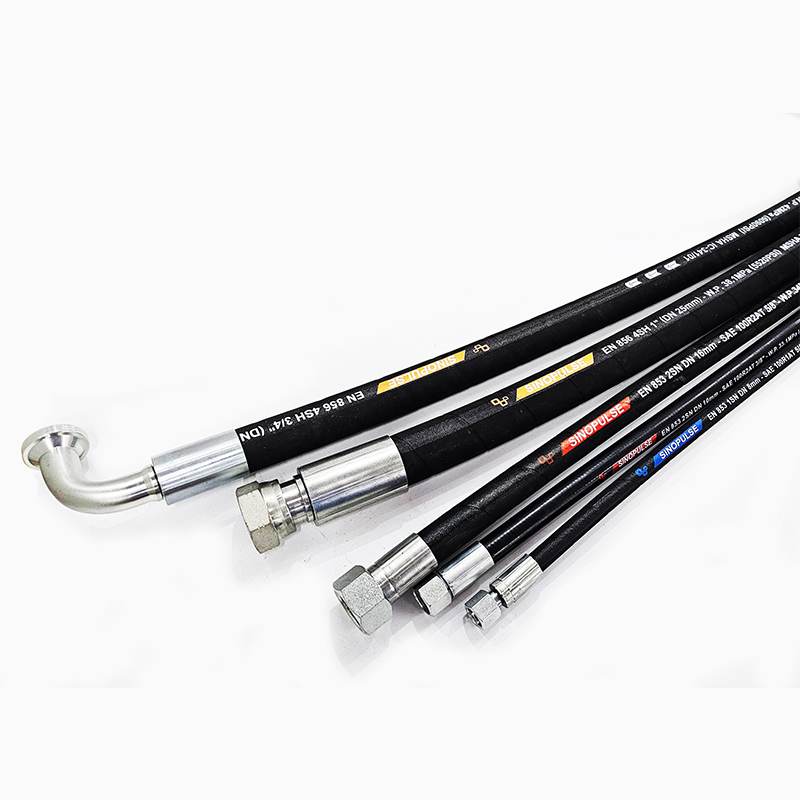
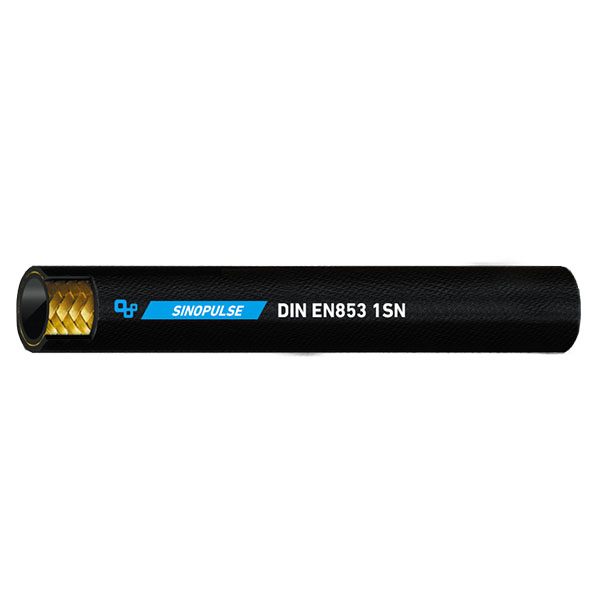
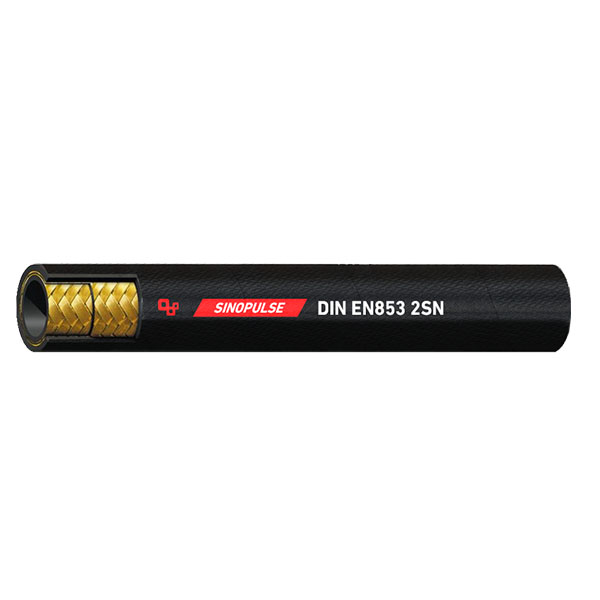
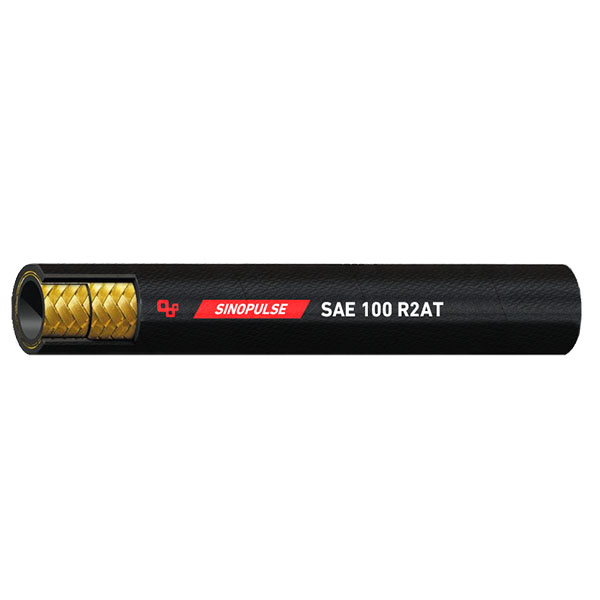
BRAIDED HOSE: This type of hose consists of a synthetic or natural rubber inner tube, reinforced with one or more layers of braided textile or steel wire. It offers excellent flexibility and high resistance to abrasion.
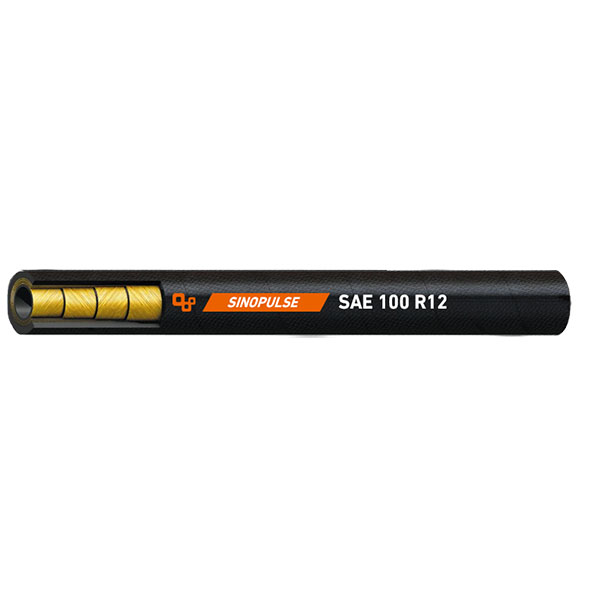
MULTI-SPIRAL HOSE: Multi-spiral hoses have four or six layers of high-tensile steel wire reinforcement, providing enhanced strength and durability. They are suitable for high-pressure applications.
STAINLESS STEEL WIRE-BRAIDED HOSE: The stainless steel wire-braided hose is constructed with a flexible inner core made of synthetic rubber or PTFE (polytetrafluoroethylene) material. This inner core is then reinforced with multiple layers of high-quality stainless steel wires, tightly braided together. The result is a robust and highly durable hose that can handle extreme temperatures, corrosive chemicals, and heavy-duty applications
THERMOPLASTIC HYDRAULIC HOSE: Thermoplastic hoses are made of synthetic materials like nylon, polyethylene, or polyurethane. They have excellent resistance to chemicals, high flexibility, and a wide temperature range.
Hydraulic Hose Standards
In North America, the commonly used hydraulic hose standard is set by the Society of Automotive Engineers (SAE). Sinopulse offers a range of 100R series hydraulic hoses that conform to SAE J517 standards.
In Europe, there are two main standards: International Organization for Standardization (ISO) standards and European Standards (EN). These ISO and EN standards are also gaining popularity in North America.
In the Philippines, both SAE and EN standards are used for hydraulic hoses, though SAE is very common, especially for applications like automotive and construction.
HOW TO CHOOSE RIGHT HYDRAULIC HOSES
When selecting a hydraulic hose, consider factors such as operating pressure, temperature, fluid compatibility, flexibility, and environmental conditions. It is essential to consult industry standards, manufacturer specifications, and seek professional advice to ensure the right hose for the specific application.
How to Properly Install Hydraulic Hose
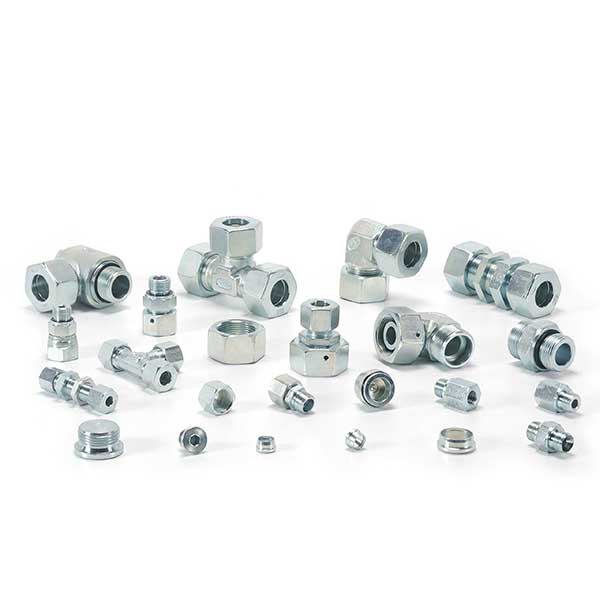
(1) Ensure hose and fitting compatibility. Check out our range of Hydraulic Fittings, Hydraulic Cylinders, and Hydraulic Pumps.
(2) Ensure correct dimensions by measuring the inner and outer diameters. The hose inner diameter must be large enough to minimize pressure loss and prevent hose damage due to heat and excessive turbulence.
(3) Check the hose material to ensure the material used to replace the old hose is correct. Each material has different pressure, temperature, conductivity, load, and suction requirements.
(4) Routine maintenance checks, after PROPER INSTALLATION, are always important to ensure the hose and its components are properly functioning.