
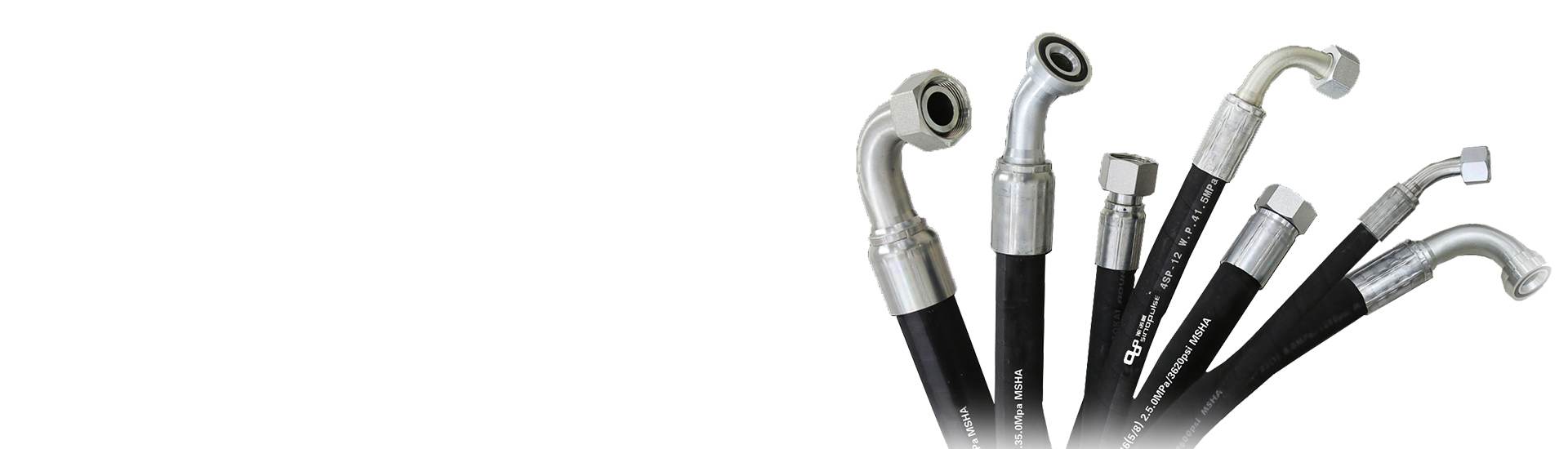
Hydraulic Hose Assemblies
A hydraulic hose assembly is a component specifically designed for transferring hydraulic oil in a hydraulic system. It consists of several core hydraulic components, including hydraulic hoses and fittings. It enables the safe and smooth transfer of hydraulic oil under high pressure between various components of the hydraulic system. This assembly is crucial for the proper functioning of heavy equipment, designed to handle high-pressure fluids, maintain leak-free connections, and withstand harsh operating conditions.
Sinopulse hydraulic hose assemblies consist of hydraulic hoses with pre-attached crimp fittings. You can customize the hose type, length, and fittings according to your project requirements to create the most suitable assembly.
These hoses and fittings are manufactured in our own factory, ensuring they meet your specifications. We will proceed with custom production once we determine the required hose size and end fittings.
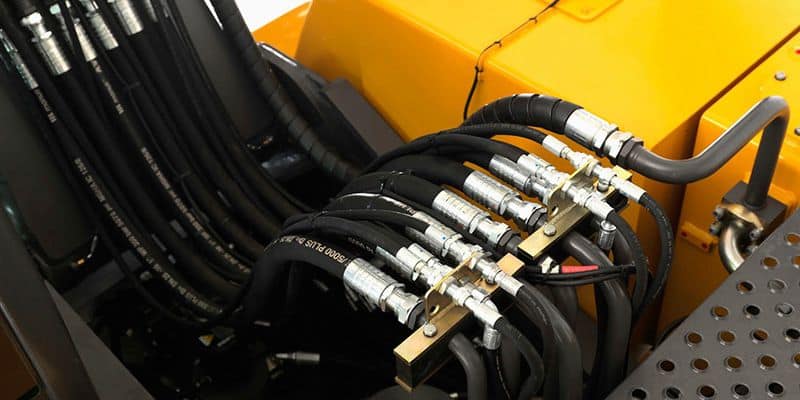
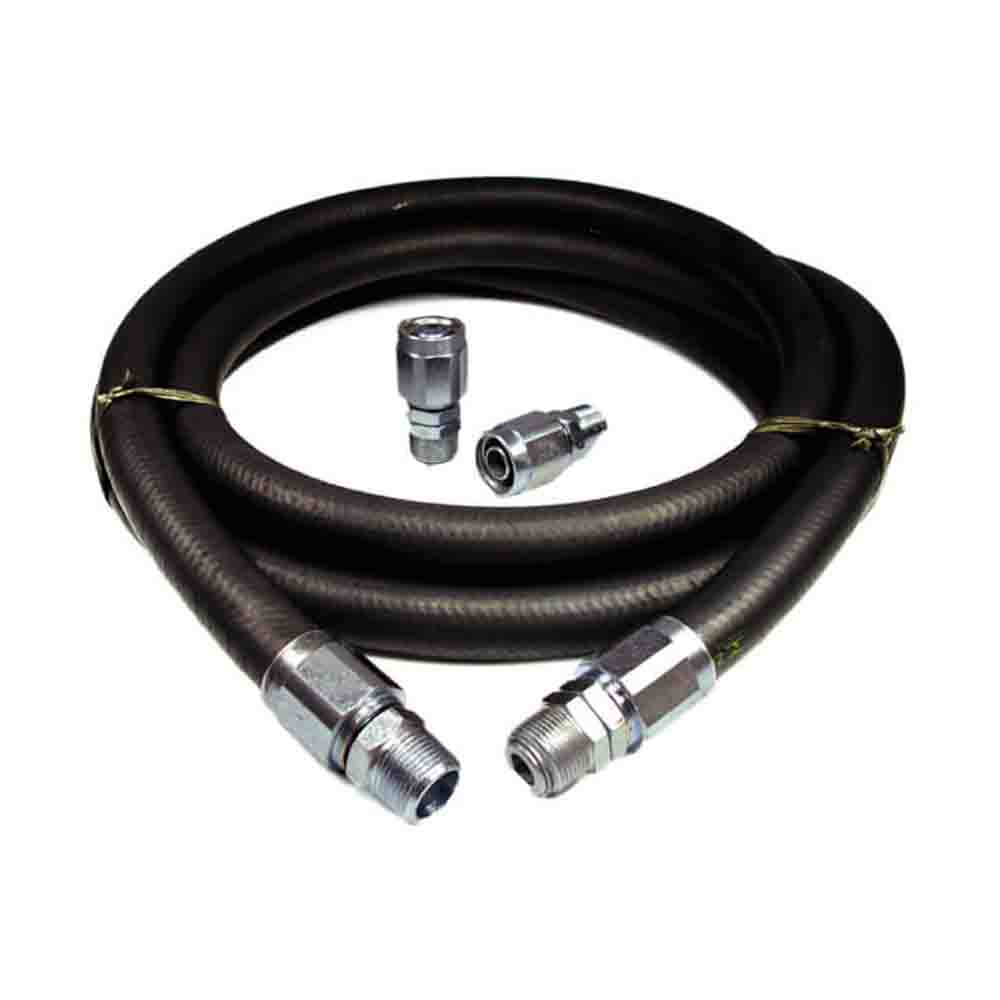
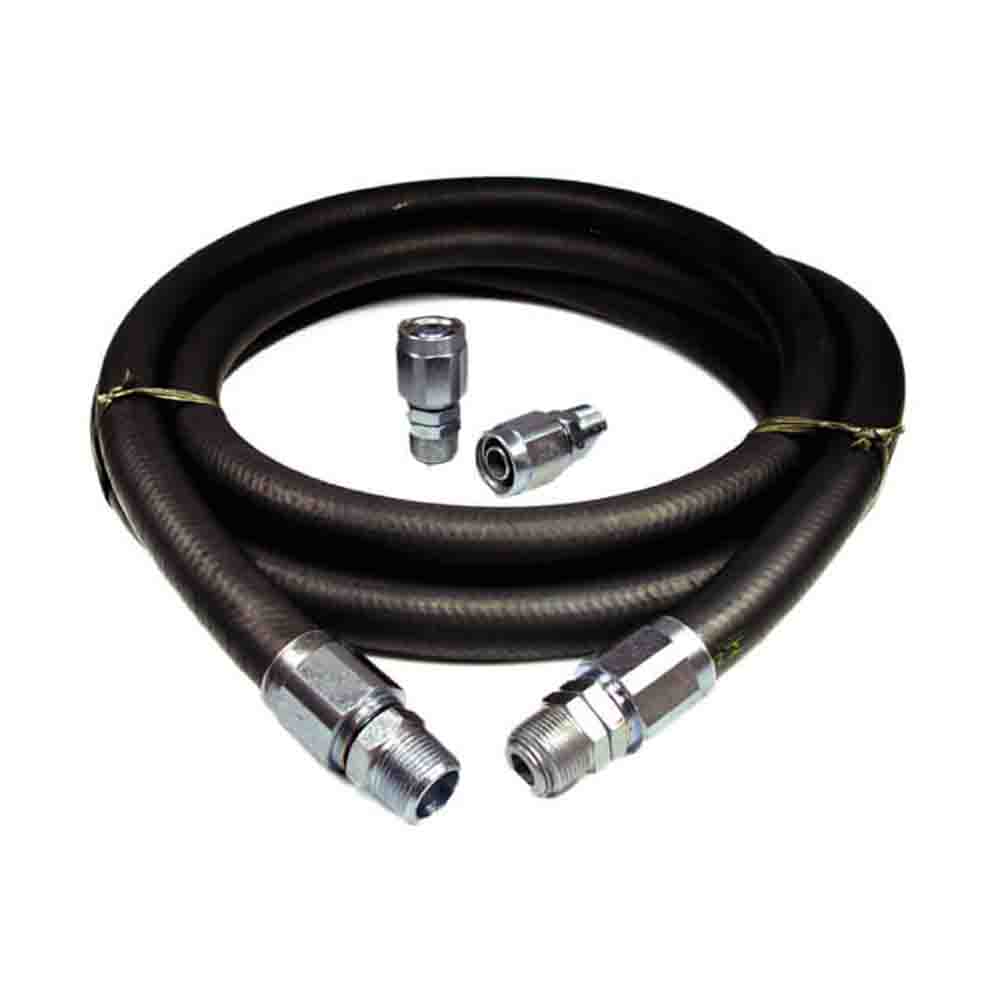
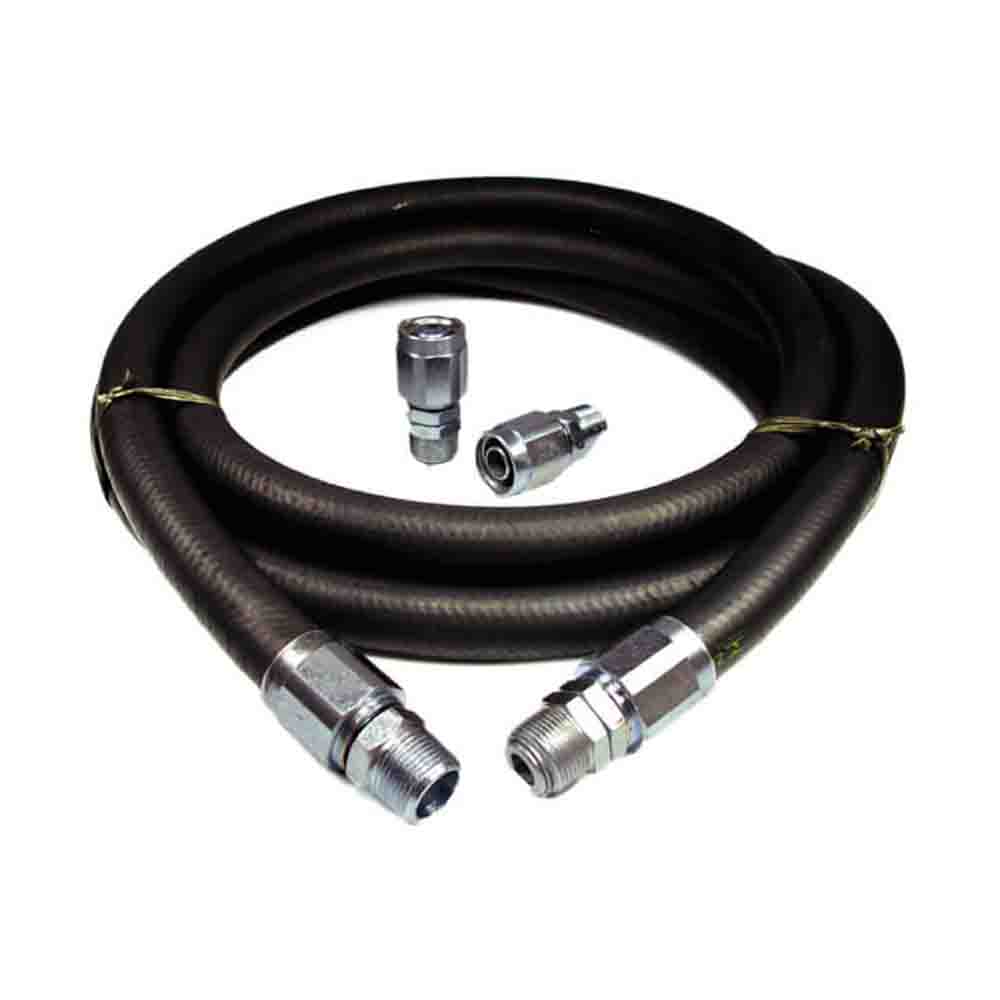
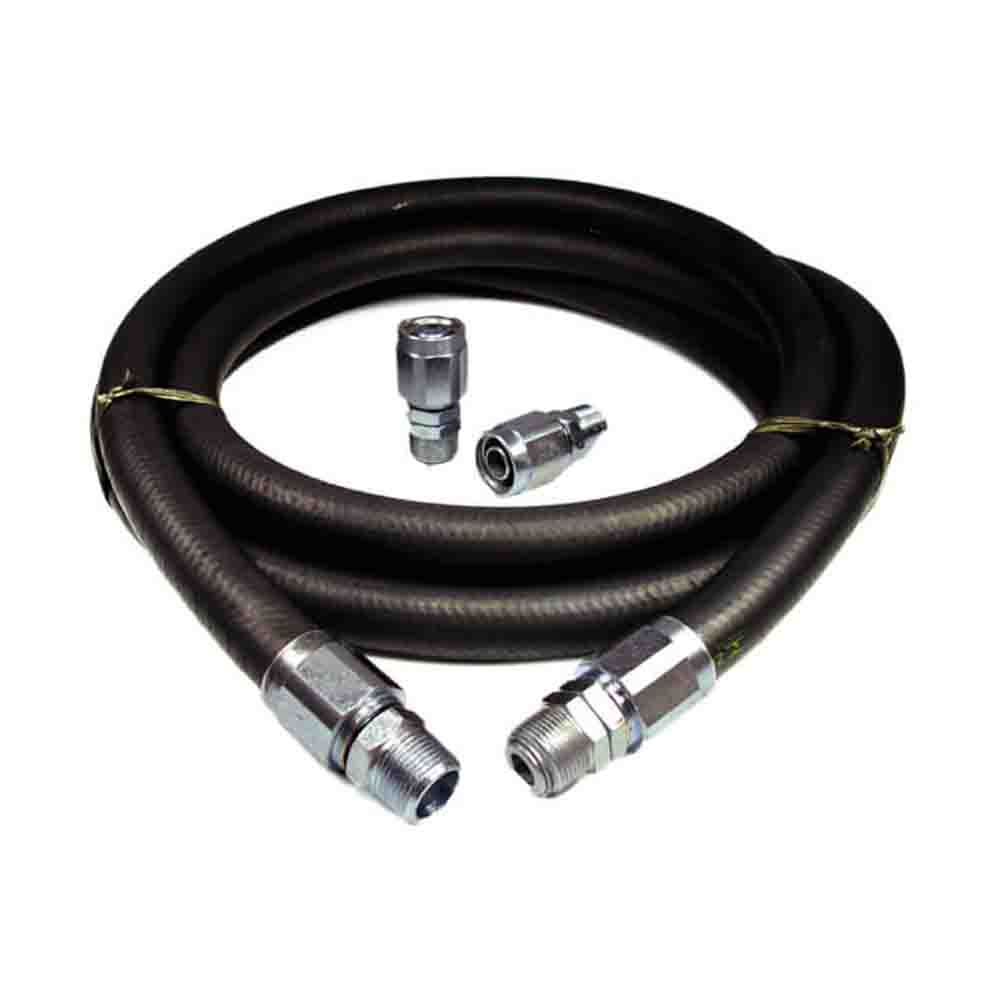
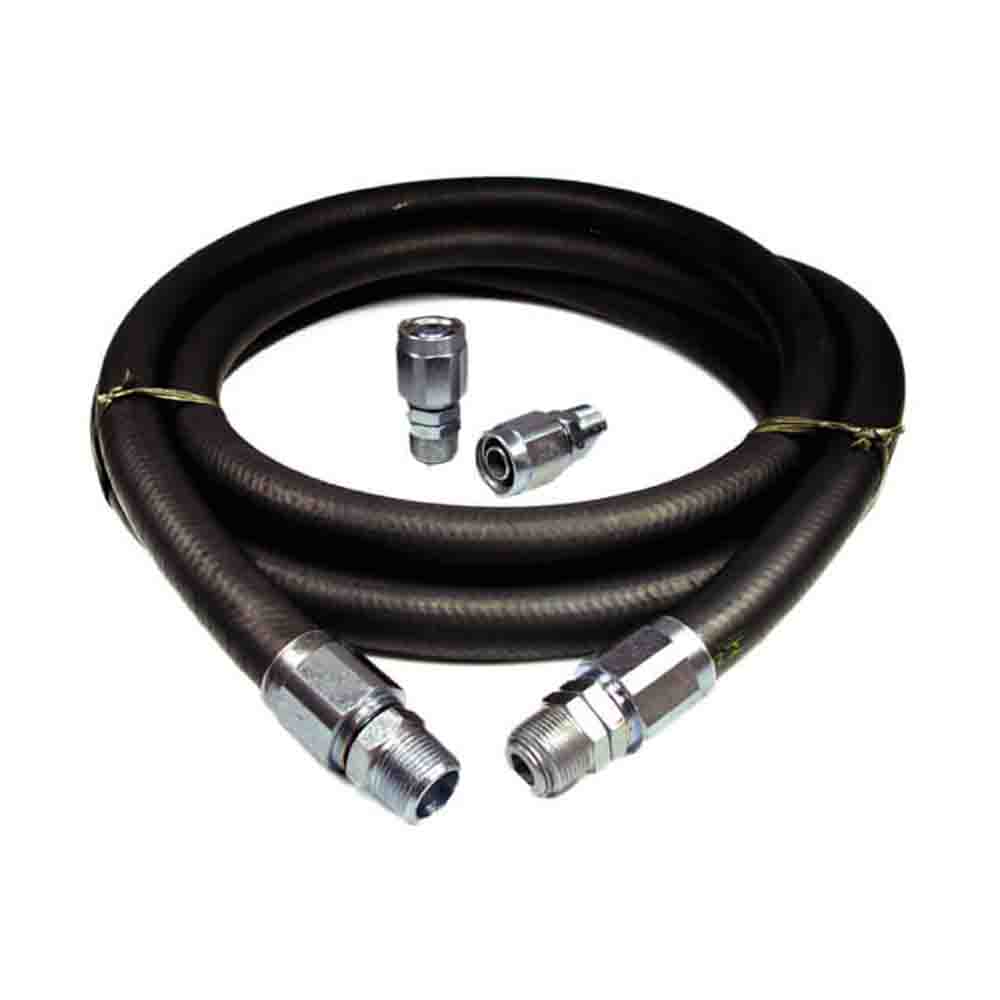
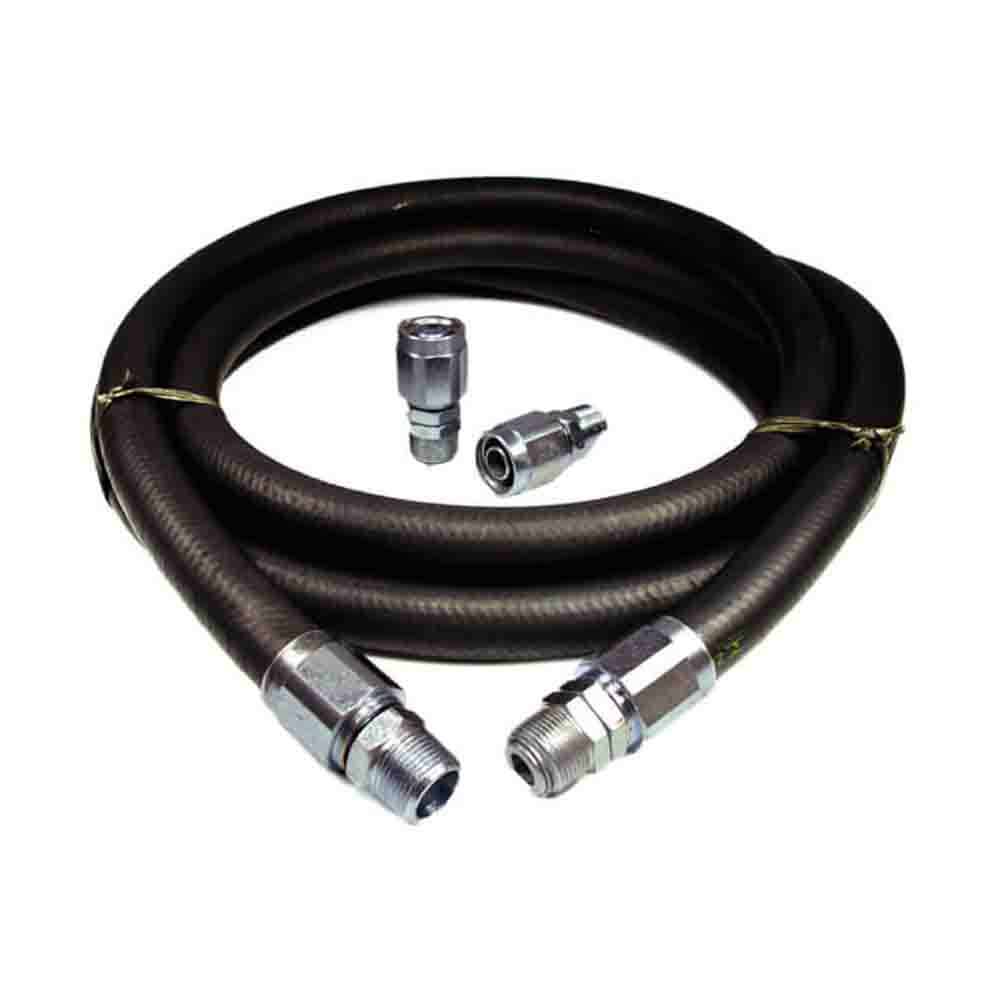
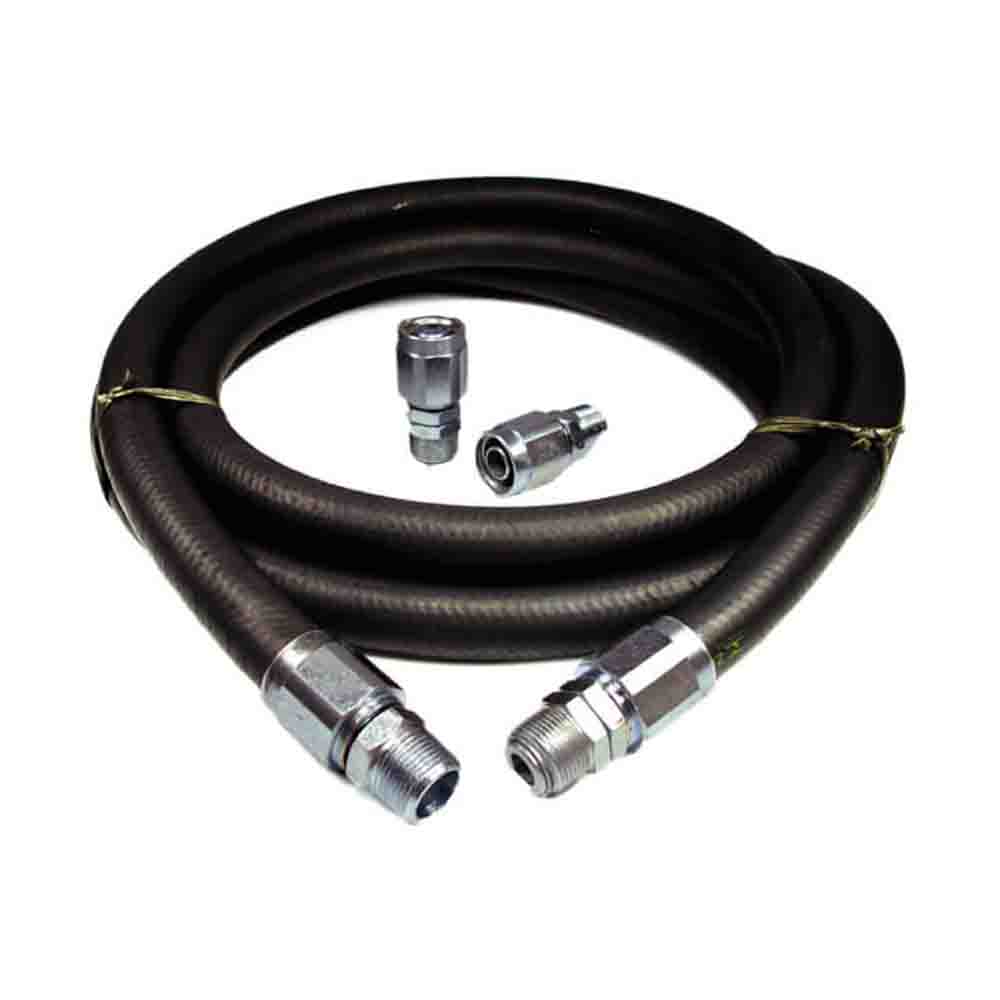
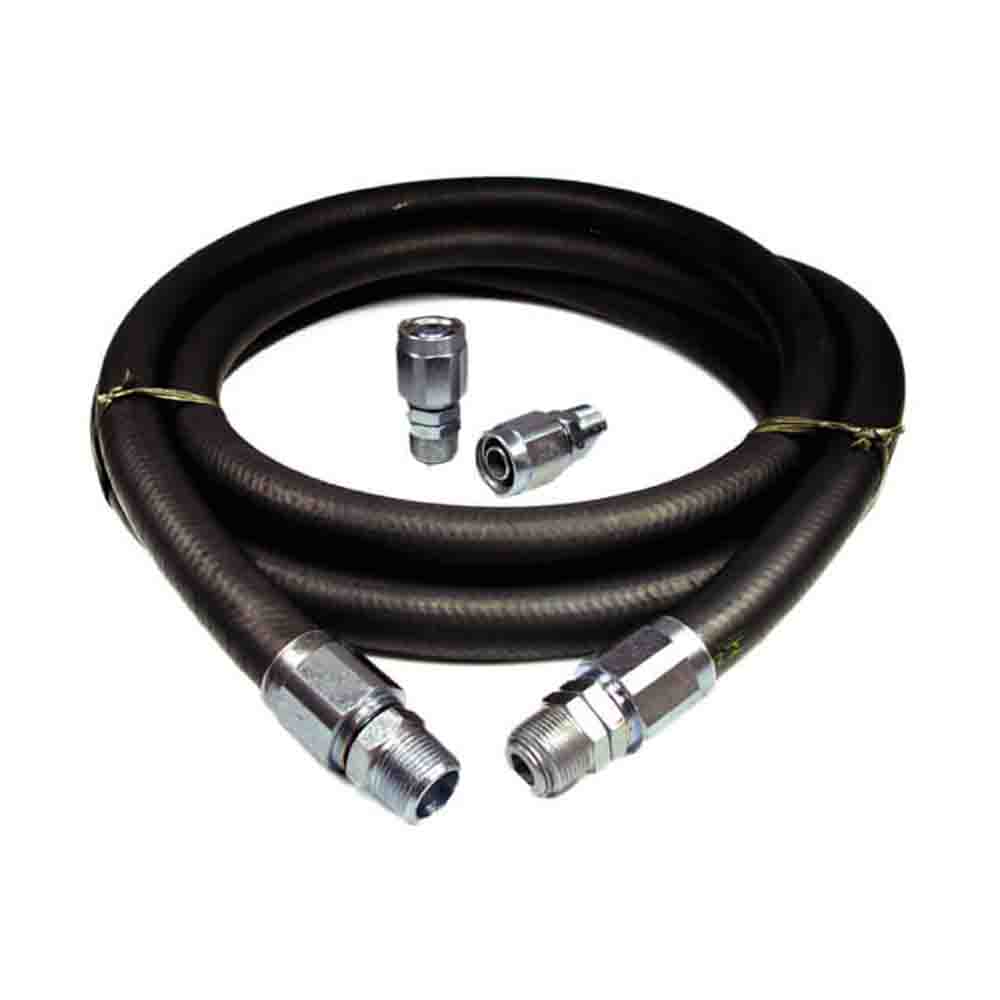
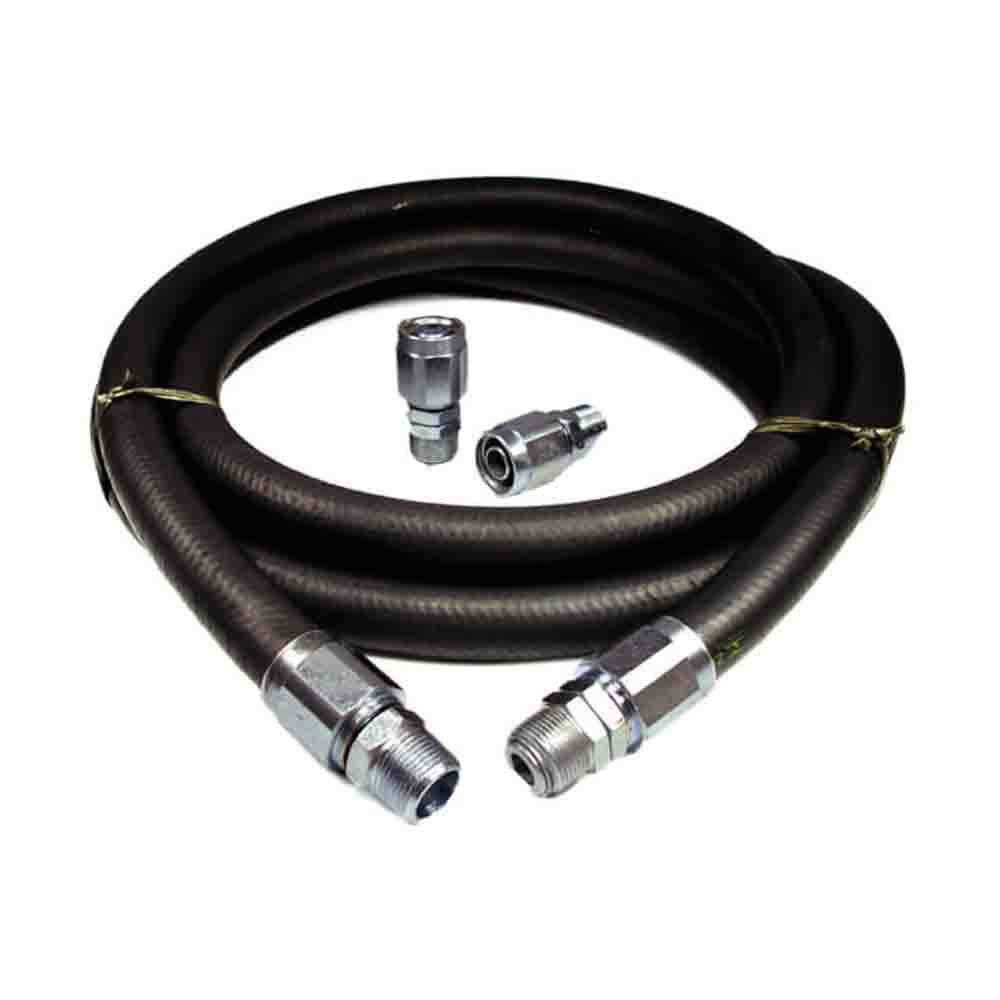
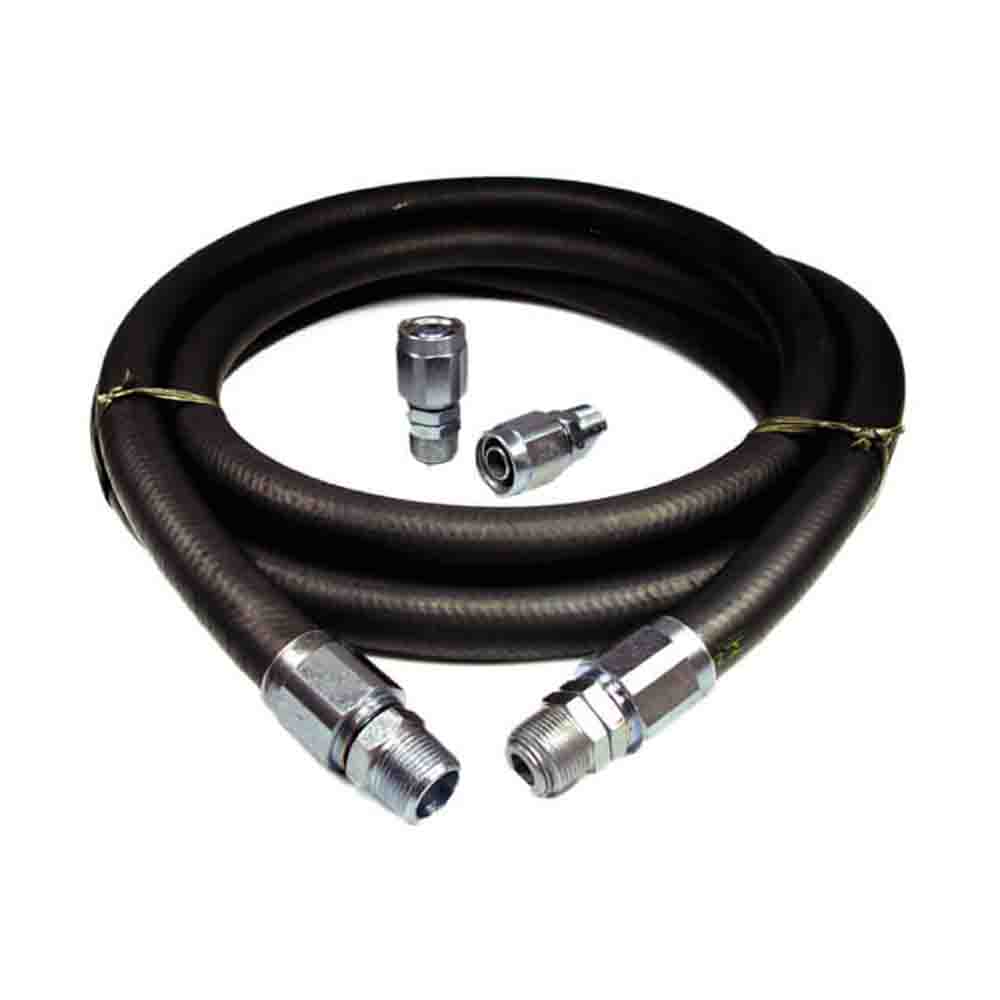
Hydraulic hose assembly parts include the following:
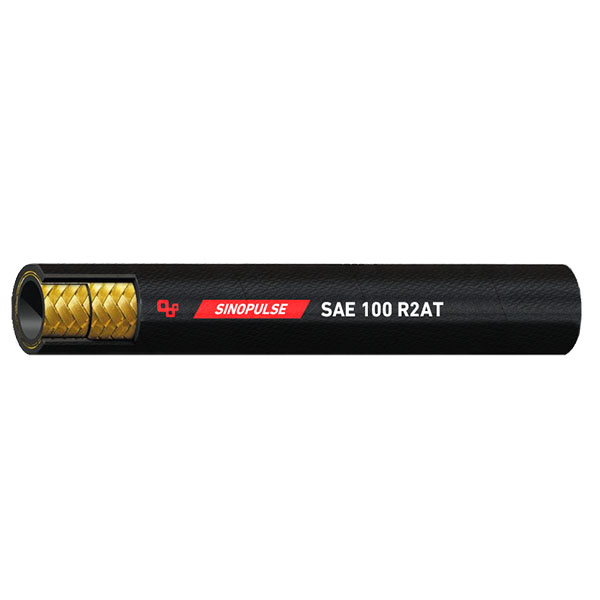
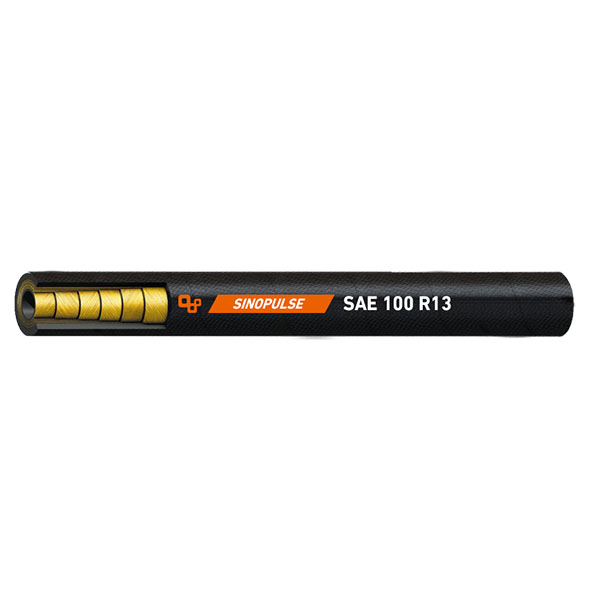
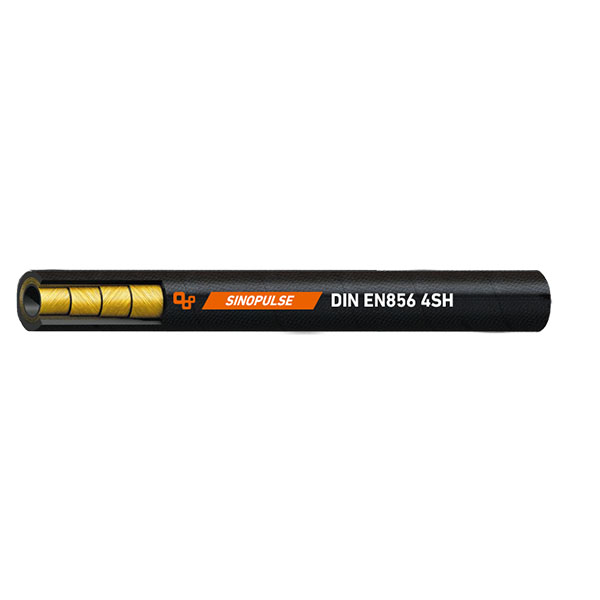
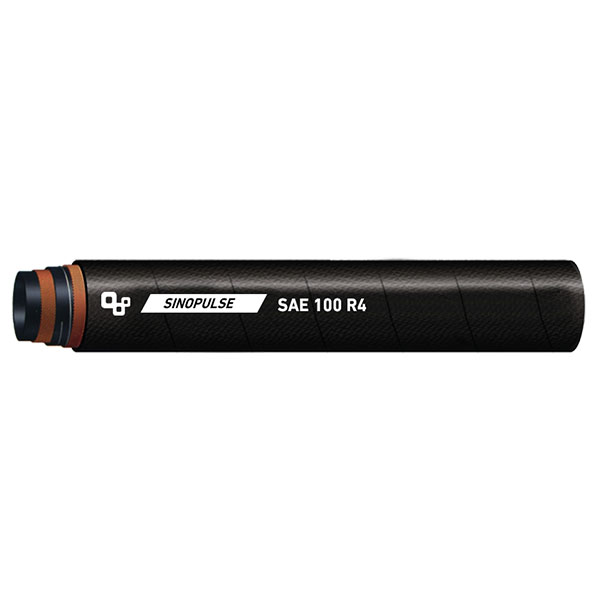
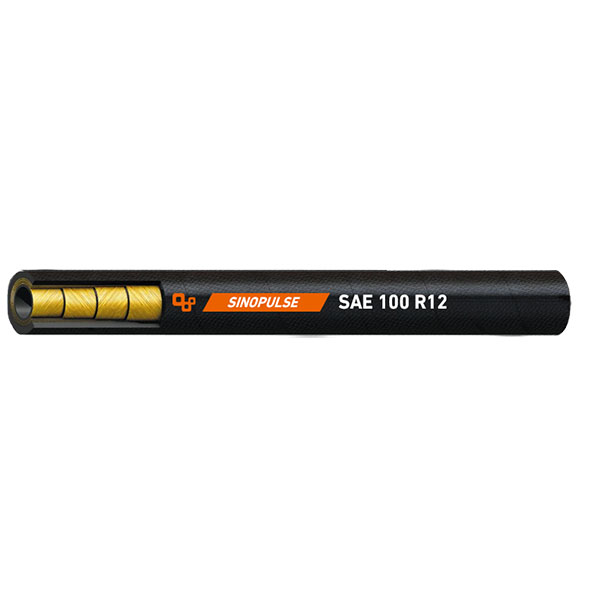
Hydraulic hoses: The hoses in a hydraulic hose assembly must be able to withstand high pressure and different types of hydraulic fluids.
Hydraulic fittings: The fittings in a hydraulic hose assembly must be able to securely connect the hoses to pumps, cylinders, valves, or other components, ensuring no leaks.
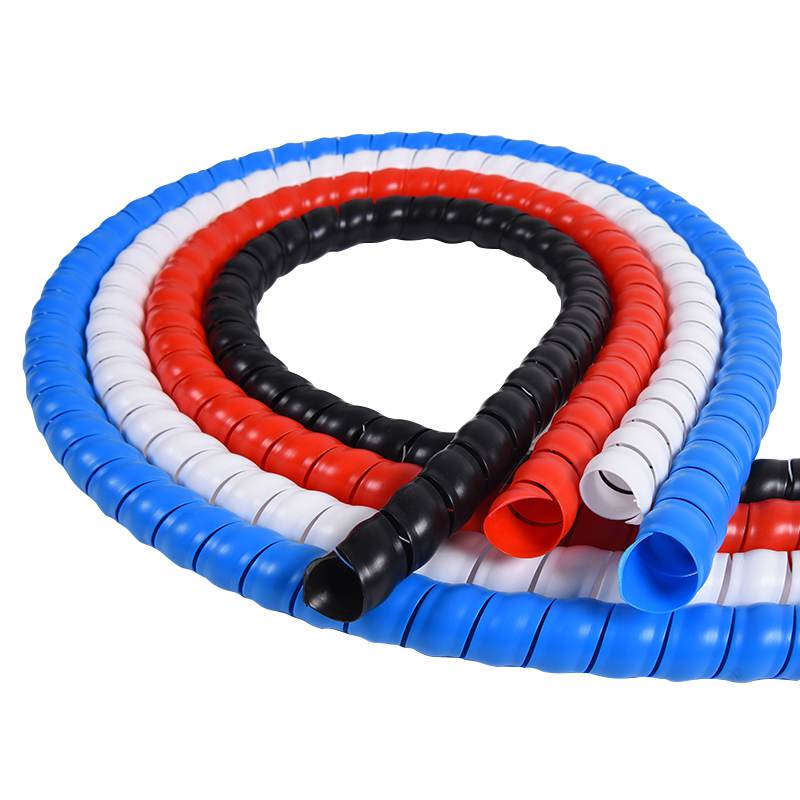
Other components: In addition to hoses and fittings, the assembly also includes adapters, connectors, or clamps to ensure compatibility between different thread types, sizes, or connection standards, and to securely hold the hoses in place. Furthermore, it is recommended that you install hose protective sleeves to extend the service life of the hose assembly and reduce wear.
How Hydraulic Hose Assemblies are Manufactured
Step 1. Hose Cutting and Preparation
The hose is precisely measured to the required length before cutting. A dedicated hose cutter equipped with a suitable cutting blade is used to cut the hose cleanly and perpendicularly, reducing the risk of hose deformation or contamination. After cutting, both ends of the hose are thoroughly cleaned to remove any debris or impurities that could affect the performance of the hydraulic system.
Step 2. Fitting Attachment
Select the appropriate hose fitting and crimping die. Then, use a crimping machine to securely attach the selected fitting to the hydraulic hose. The crimping die assembly on the crimping machine presses the metal ring inside the fitting against the hose, creating a permanent and secure connection.
Insert the barb of the fitting into the hydraulic hose and secure it with the clamp. Tighten clockwise until a secure connection is formed. Before using this method, always ensure that the thread type, standard, and size on the fitting match the threaded end of the hose.
Step 3. Testing and Quality Control Measures
Testing and quality control are designed to ensure that the hydraulic hose assembly meets the applicable safety standards and expected performance requirements.
Where is a hydraulic hose assembly used?
In simple terms, the hydraulic hose is used to transport hydraulic oil between two ports or hydraulic components. You can imagine, this system can have a lot of applications!
In the mining industry, there is a range of machines that use hydraulics. Notably, earthmoving equipment depends on hydraulic hoses to power its arm and lift loads. Other machines include drills, trucks, continuous miners, and bulldozers.Construction
Overlapping with mining, the construction industry also utilizes earthmoving equipment. Hydraulic hoses are used to assist machines in lifting heavy construction materials.
Manufacturing
Hydraulic hoses have multiple uses in the manufacturing process, especially on assembly lines, and with the growing prevalence of robotic technology. In manufacturing, hydraulic hoses can also be used for food production, car manufacturing, and even cheese making!
Hydraulic systems in the automotive industry are used for various components. Examples of hydraulic systems include: pumps, brakes, and engines. The application of hydraulic hoses spans from the manufacturing process to equipment used for vehicle maintenance.
Hydraulic hose assemblies are often used in crop-harvesting machinery. These machines and their associated hydraulic hose systems face harsh conditions. Hydraulic hoses used in agriculture face extreme weather conditions, daily UV radiation, and pollution from surrounding crops.
How to Measure Your Custom Hose Assembly
When assembling hydraulic hoses, you can choose from different angles of end fittings, such as straight, 45°, and 90°. If you choose two elbows, such as a 90° elbow and a 45° elbow, we need to know their installation direction so you can reinstall the hose onto your equipment. If you are unsure of the hose's installation direction, please call us before ordering!
Build Your Own Custom Hose
Our proprietary hydraulic hose brand, Sinopulse, can be pre-assembled according to your desired specifications. We also provide fittings to complete your hydraulic hose assembly.
These hoses and fittings are manufactured in-house, guaranteeing they meet your specifications. We will manufacture them after determining your required hose size and end fittings.
On this website, you can build your own custom hose. We offer a variety of hoses for you to choose from. You can select the hose, the length, and the fittings, and we will custom make it for you.
Custom Hydraulic Hose Assemblies have fittings installed on both ends, used to connect the hose to compatible equipment. Hydraulic hoses are used for transferring fluids in petroleum and water-based systems found in industrial, marine, automotive, mining, and manufacturing equipment. These hydraulic hoses are reinforced to maximize their strength.
Hose Safety and Installation Considerations
When installing a hose for the first time, be sure to leave some slack. This prevents the hose from experiencing unwanted stress when it moves during use.
During installation, ensure the hose assembly has no unwanted twists. The hose will try to straighten out during use, which can damage the hose assembly.
Avoid excessive bends when installing the hose. Excessive bending can cause unwanted crimps in the hose, which can lead to catastrophic failure.
Adapters and brackets can prevent your hose from being exposed to environmental hazards. Secure the hose properly and away from sources of heat via brackets to ensure the longest lifespan of the hose.
Selecting Right Hydraulic Hose Assemblies
Selecting the right hydraulic hose assembly is crucial for ensuring system efficiency, safety, and extending the lifespan of hydraulic equipment. Key factors to consider include:
Operating Pressure and Temperature Range: Ensure the selected hose's rated operating pressure is a sufficient safety margin above the peak pressure expected for the application. This helps cope with pressure fluctuations and prevents premature hose failure. Similarly, the material of the selected hose should be able to withstand extreme operating temperatures without performance degradation.
Fluid Compatibility: The inner tube of the selected hose should be made of a material compatible with the hydraulic fluid being delivered. This prevents chemical reactions, thus avoiding system contamination or hose damage.
Flexibility and Bending Radius: Hydraulic hoses with appropriate bending radii and flexibility offer numerous advantages, including easier proper wiring, reduced stress at joints and connections, prevention of kinking, and ultimately, extended service life of the hydraulic hose assembly.
Whether you need a standard length hose or a more customized assembly solution, Sinopulse can meet your needs. Our experts can assist you in selecting and manufacturing the right hydraulic hoses, industrial hoses, and metal hoses.

Related Product

What is a hydraulic hose assembly?
Hose and assembly are often considered the same thing. However, from a technical perspective, they are quite different.
A hydraulic hose is a part of a hydraulic hose assembly. A hydraulic hose assembly actually consists of hoses and fittings. These fittings connect the hoses to other components within the hydraulic system. Hydraulic hose assemblies are suitable for a wide range of applications, commonly used in construction, injection molding, material handling, and agriculture.
How to Choose a Hydraulic Hose Assembly?
Hydraulic hose assemblies are core components in many hydraulic applications, so choosing the right hose is crucial for ensuring optimal performance and safety.
If you are purchasing new hoses or replacing existing hoses, the best way to determine the hoses required for your application is to use the STAMP method:
Size – Accurately determine the required hose diameter to accommodate the correct fluid volume, which will ensure it can operate at the required working pressure.
Temperature – The temperature of the fluid inside the hose and the external temperature must be considered to ensure the material can withstand these conditions and have a longer service life.
Application – Consider the hose's operating environment, the type of equipment used, and the specifications that need to be met.
Medium (Mairy) – The selected hose must be compatible with the fluid inside to ensure optimal performance and prevent wear or corrosion.
Pressure (Pressure) – Accurately calculate the required working pressure and select a hose with a maximum working pressure higher than or equal to the system's working pressure.
How is the length of a hydraulic hose assembly measured?
Use a measuring tape to measure along the center line of the hose. If the hose is bent, straighten it as much as possible before measuring to ensure accurate length.
How to Properly Install Hydraulic Hose Assemblies
When installing a hydraulic hose assembly for the first time, always allow some slack. This prevents the hose from being subjected to unnecessary stress during use.
During installation, ensure that the hose assembly is free from unnecessary twisting. The hose will attempt to straighten during use, which may damage the hose assembly.
Avoid excessive bending when installing the hose. Excessive bending can cause unnecessary creases in the hose, potentially leading to malfunction.
Using adapters and protective sleeves can prevent the hose from being exposed to environmental hazards. Secure the hose properly with brackets and keep it away from heat sources to ensure the longest possible service life.