
Metric Hydraulic Hose Fittings
Metric Hydraulic Fittings Manufacturer in China
In the hydraulics field, metric hydraulic fittings are critical components that connect various parts to ensure smooth and efficient fluid flow.
They keep hoses, pipes, and lines securely connected, reducing leakage and improving performance.
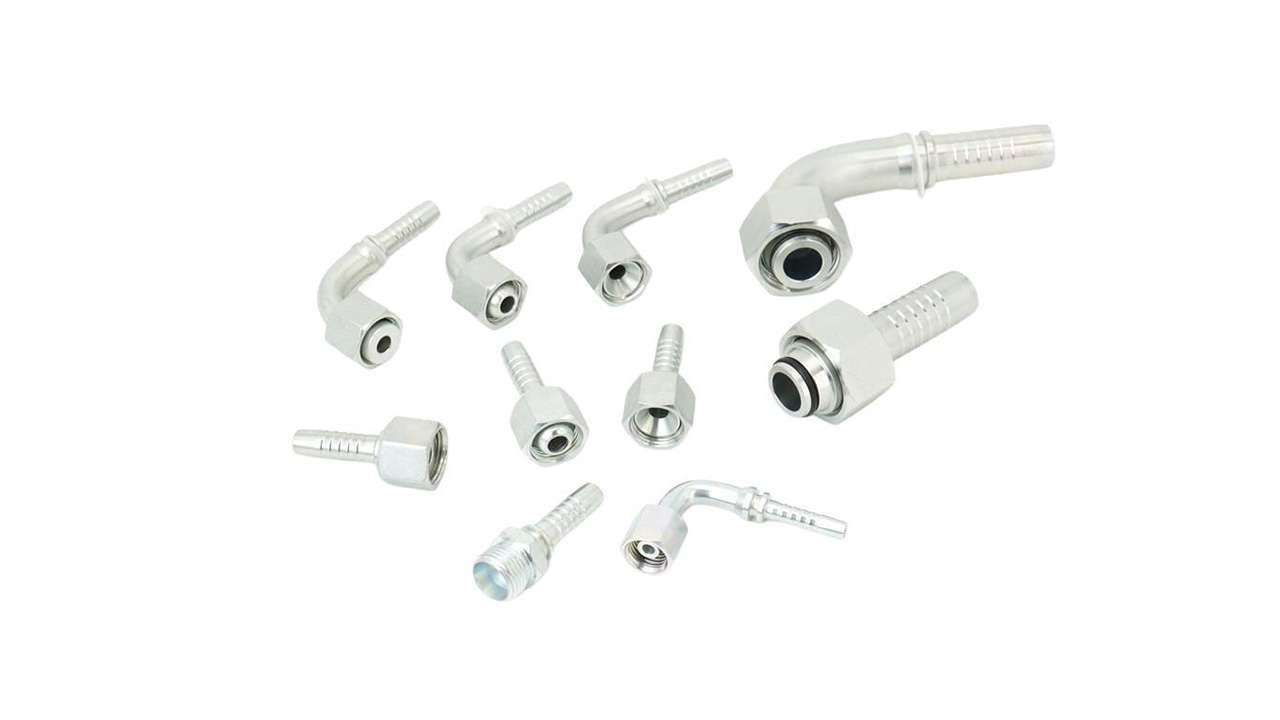
We offer a full range of metric hydraulic fittings and pipe fittings, including BSPP, BSPT, metric, ORFS, and JIC. We also offer metric compression fittings, which offer extremely high vibration resistance and create a strong, reliable, and leak-free connection. Our metric hydraulic hose fittings are manufactured to the highest quality standards, meeting or exceeding global standards such as SAE and ISO. Our metric fittings are available in two body styles: brazed and forged. Forged fittings are more common due to their streamlined appearance, generally easier installation, and lower manufacturing cost.
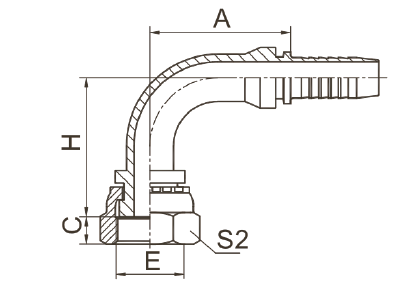
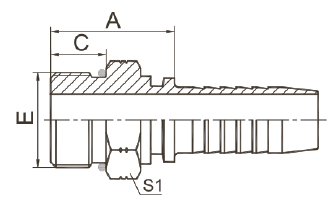
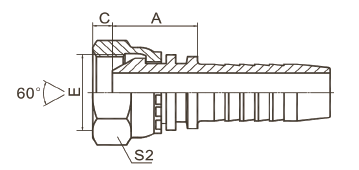
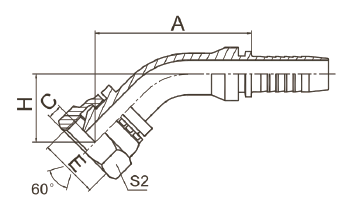
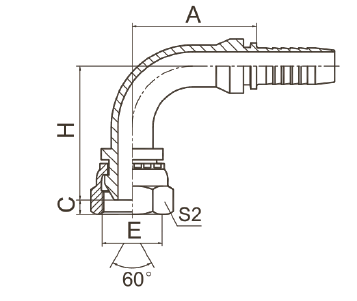
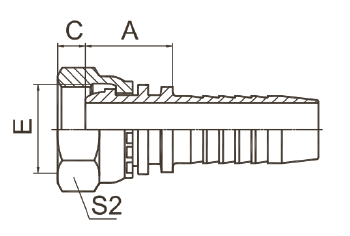
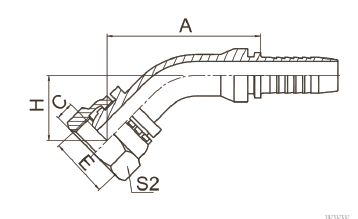
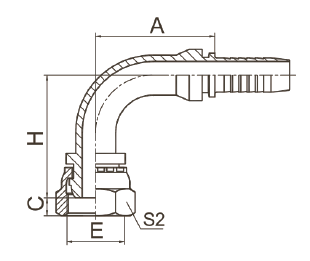
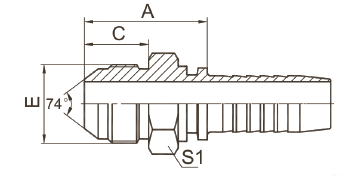
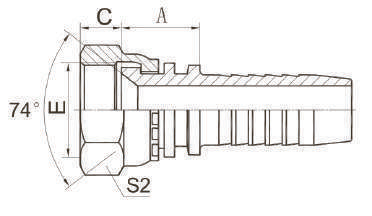
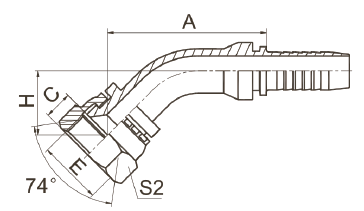
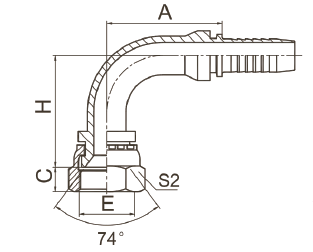
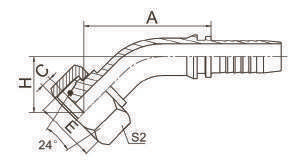
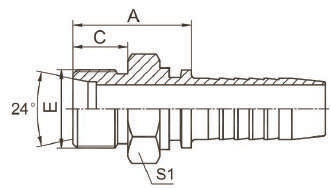
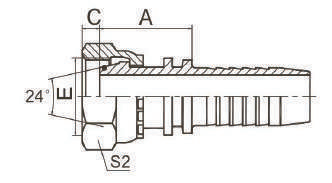
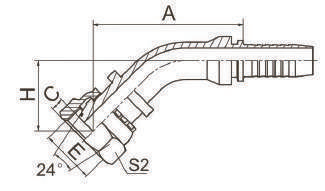
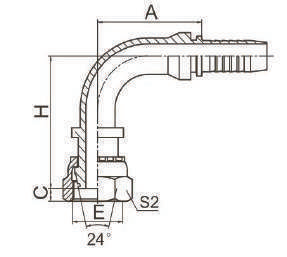
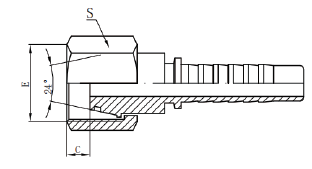
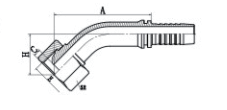
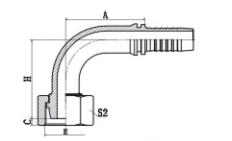
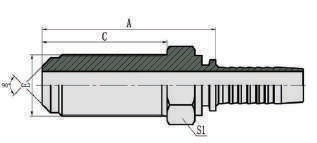
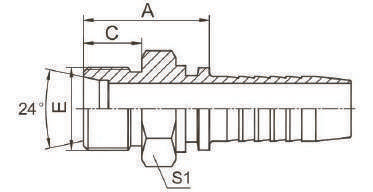
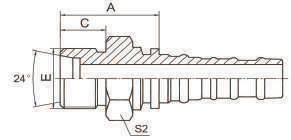
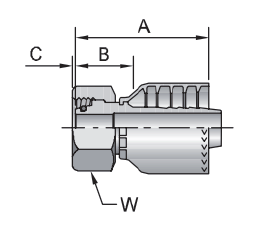
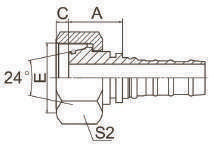
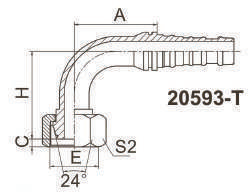
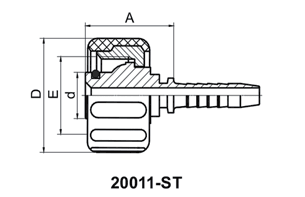
Metric 24° tapered (DIN 3901/3902): These fittings are commonly used in European hydraulic systems to provide reliable high-pressure connections. 24° DIN 2353 (interlocking) pipe fittings + metric compression fittings.
Advantages of Metric Threads
International Market Compatibility
Metric threads are widely used in hydraulics and are suitable for almost any environment. This standardization is especially crucial if you operate in an international market or use machines from different countries. Using metric thread fittings makes replacement easier, reduces compatibility issues, and simplifies maintenance.
Good Sealing Capacity
Next, consider the seal. The strength of a hydraulic system depends on its weakest point of contact. Metric threads generally provide a better seal than other thread types. A better seal means less leakage, which in turn reduces downtime and maintenance.
Efficiency of Hydraulic Systems
Metric threads can efficiently withstand the pressure generated by a hydraulic system. This reduces system wear and extends machine life. In short, choosing metric thread fittings makes your hydraulic system more efficient and economical in the long run.
Metric Threads Fitting Material
Steel Metric Adapters: Steel is known for its high strength and durability, often used as the material of choice for high-pressure applications. However, it is prone to rusting, so it may not be suitable for corrosive environments.
Brass Metric Adapters: This material offers excellent corrosion resistance and is easier to work with than steel. However, it is not well suited for high-pressure, high-temperature environments.
Stainless Metric Adapters: Stainless steel is a "win-win" material, offering high strength and excellent corrosion resistance, but it is more expensive.
How to Choose Metric Threads Fitting Materials
Durability: Stainless steel wins. But if rust is not a problem, ordinary steel will perfectly meet your needs.
Applications: Steel is ideal for industrial and heavy machinery. Brass is suitable for less demanding applications, such as piping or low-pressure hydraulic systems. Stainless steel is the best choice for corrosive or hygienic environments.
Cost: Generally speaking, steel is the most affordable, followed by brass. Stainless steel is more expensive, but remember, you get what you pay for. If you need to use the accessories in more demanding environments, be sure to choose the highest quality materials.
Metric Hydraulic Hose Fittings Applications
Metric hydraulic fittings come in various types, so in which applications are metric fittings best suited?
Industrial
First, let's look at industrial applications. Factories and manufacturing plants frequently use hydraulic systems for heavy lifting and precision movement. In this context, the strength and durability of high-quality metric fittings are crucial. Inappropriate fitting selection can lead to reduced productivity or even mechanical failure, resulting in greater losses.
Automotive
From power steering systems to braking systems, metric fittings ensure smooth system operation. If you are an automotive mechanic, high-quality metric fittings are essential.
Mining and Agriculture
Suitable for specialized applications such as mining and agriculture. In these fields, your equipment is often exposed to harsh environments such as mud, dust, and even corrosive chemicals. High-quality metric fittings can reduce the risk of equipment failure.
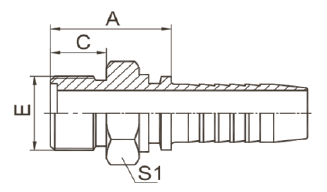
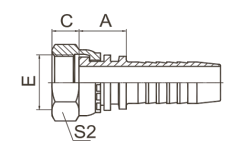
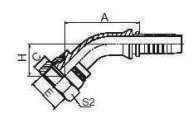












Choosing the Right Metric Fittings
Selecting the right metric fittings is no easy task; it involves not only compatibility but also quality, safety, and efficiency. In the following, we will explore how to choose the right metric fittings based on your specific needs.
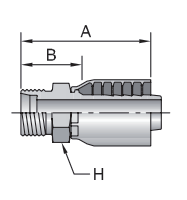
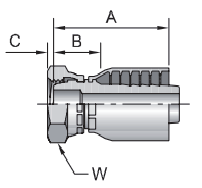
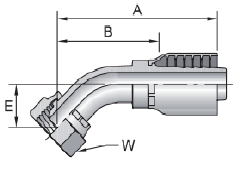
Specifications and dimensions: First, you need to know the diameter of the hose or pipe. This can ensure that the joint you choose is neither too loose nor too tight.
Length: Especially in narrow or complex systems, the length of the accessories can have a significant impact on the convenience of installation and operation.
Check the threads: Ensure that the thread type is compatible with your application. If you are unsure, use a thread gauge.
Understand pressure ratings: Each pipe fitting has a certain range of pressure ratings. Exceeding these ranges may cause malfunctions, and in more serious cases, it can even lead to accidents.
Match with the system: Ensure that the selected fitting can withstand the pressure of the hydraulic system in use. If in doubt, choose a fitting with a higher rated pressure to ensure a safety margin.
Thread compatibility: Thread mismatch can lead to leakage or even catastrophic failure.
Sealing solution: In addition to threads, the type of seal should also be considered - O-rings, conical seals or metal-to-metal seals. Your application may only require one of these types.

FAQ
Differences between Metric and American Standard Threads
Size: Metric threads are measured in millimeters (mm) for pitch, while American standard threads are measured in inches (inches). This means metric threads allow for finer adjustments, making them particularly suitable for high-precision applications.
Compatibility: Metric threads are universally accepted globally, making them more widely used. While American standard threads are popular in the US, adapters may be required for international applications.
Applications: American standard threads are typically used in older equipment and US infrastructure. However, metric threads dominate global automotive and industrial applications.
Differences between Metric and Imperial Threads
Differences: Imperial standard threads typically use Whitworth threads with a 55-degree thread angle. Metric threads typically have a 60-degree thread angle. This affects sealing performance and strength, therefore the two are not interchangeable.
Advantages and Disadvantages: Imperial standard threads are strong but less common, making them harder to source. Metric threads are widely accepted, easier to find, and offer advantages in both supply and cost.
Applications: Imperial standard threads are more common in the UK and Commonwealth countries. Metric threads are more commonly used, especially in Europe and Asia.