
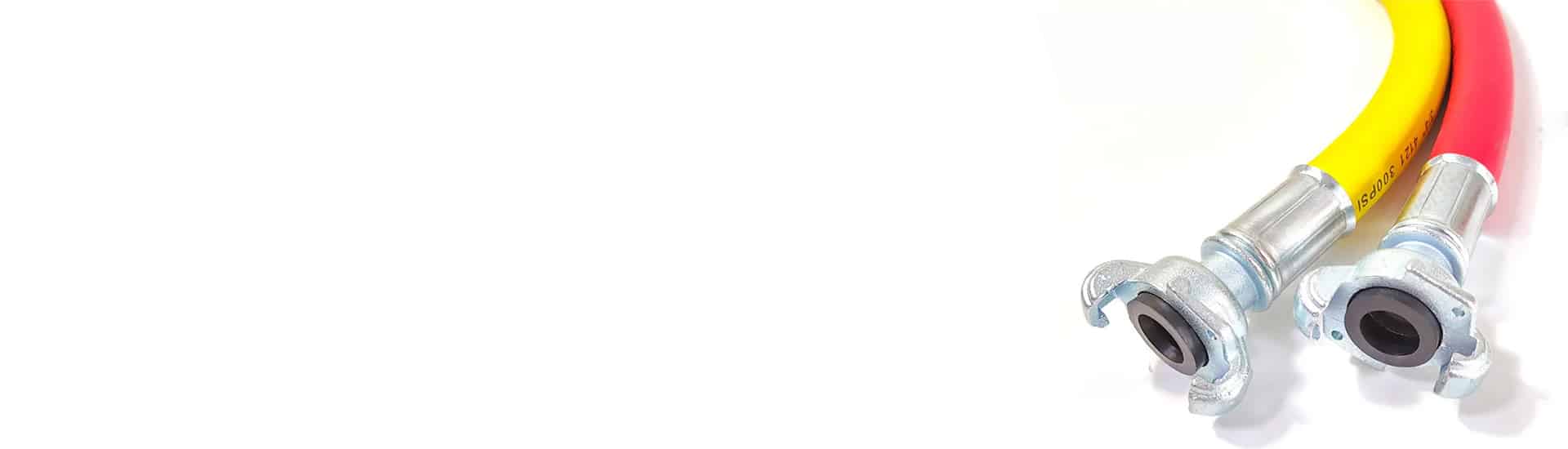
Compressed Air Hose
Compressed air hose is made from straight/spiral braided and non-braided polyurethane (PUR) or rubber (EPDM). They are light and flexible and offer long service life and outstanding aging qualities. They provide excellent resistance to oil, solvents, and other non-aqueous solutions.
In the field and applications of compressed air, compressed air hoses are indispensable tools. They are used to connect air compressors with various pneumatic tools and equipment, thus enabling the transmission of compressed air.
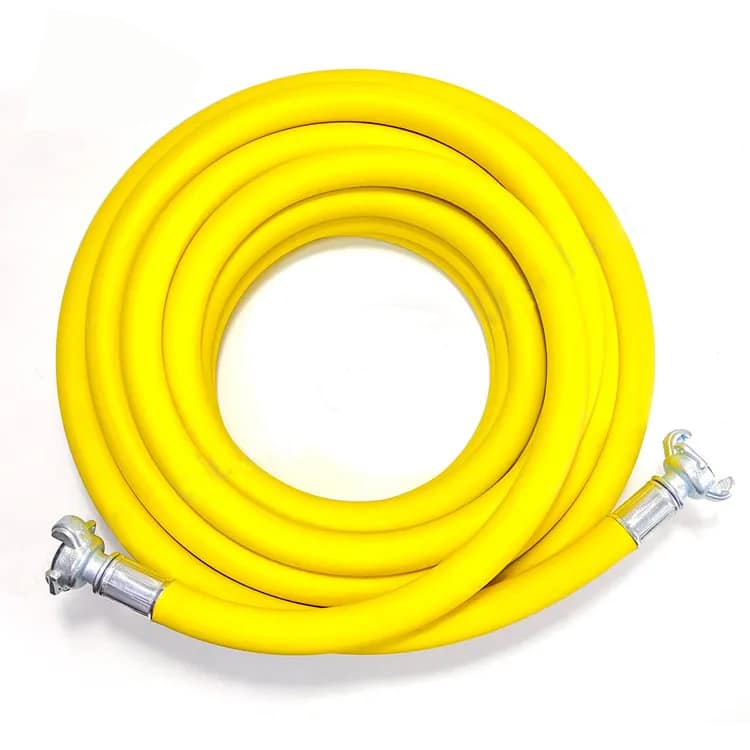
Among the many hoses there are hi-vis versions to increase safety, antistatic and anti-spark hoses and some hoses have an FDA approval for use within food and beverage industries.
Common hose sizes are 7 mm (1/4 in), 8 mm (5/16 in), 10 mm (3/8 in) and 13 mm (1/2 in). To maintain adequate airflow, you must ensure that the Hose I.D is not too small for the tools CFM requirements as this will affect your tools performance.
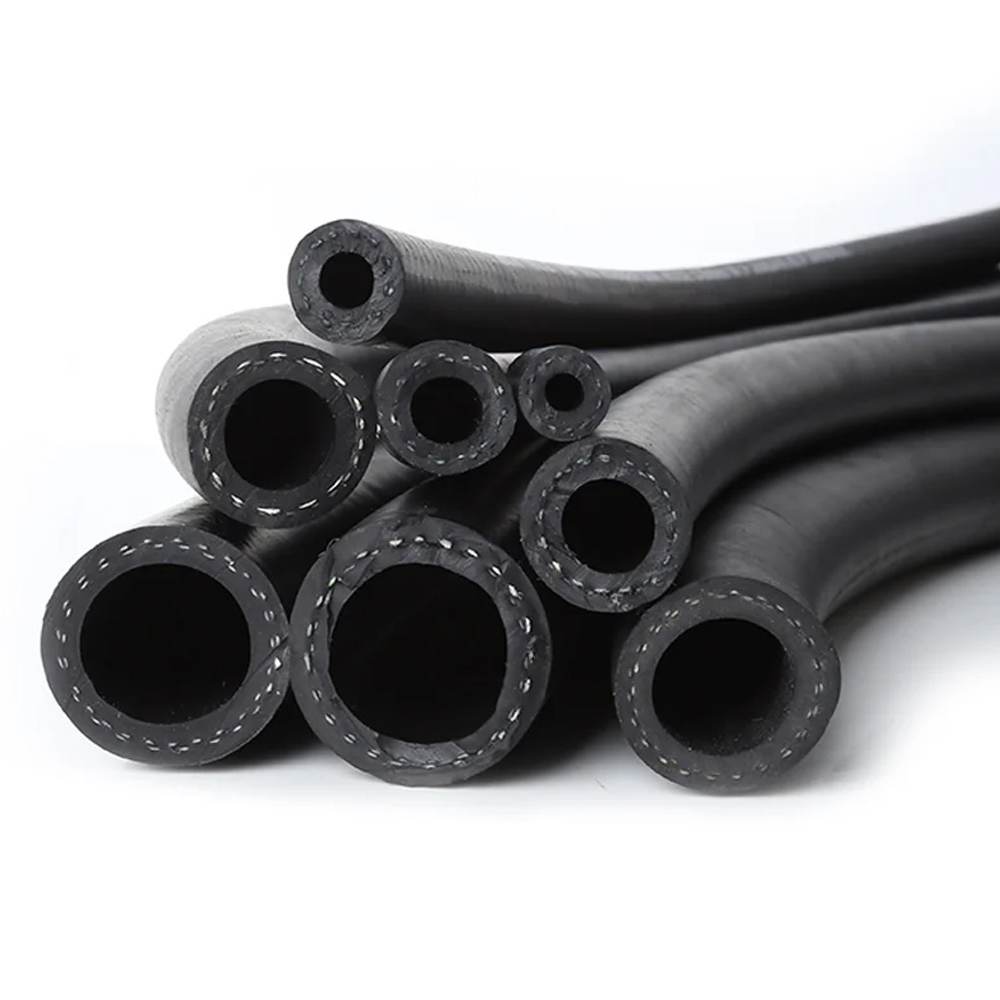
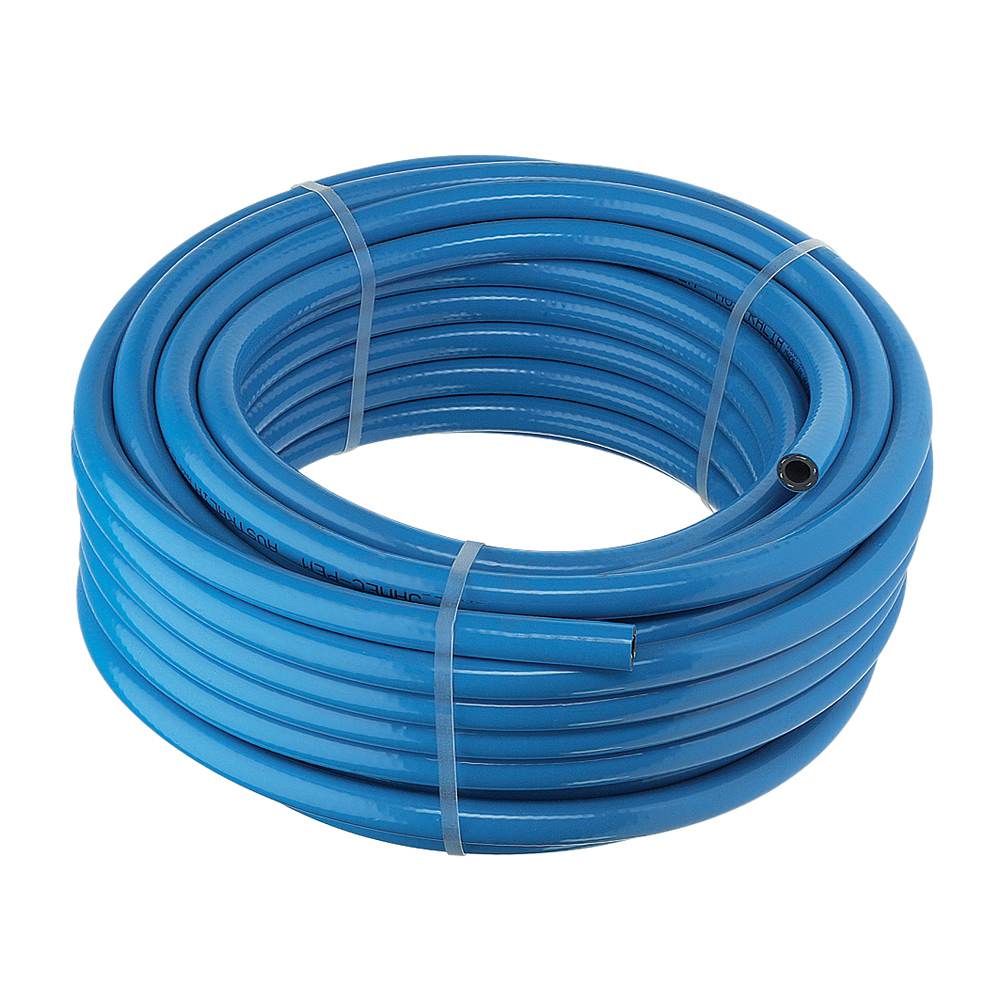
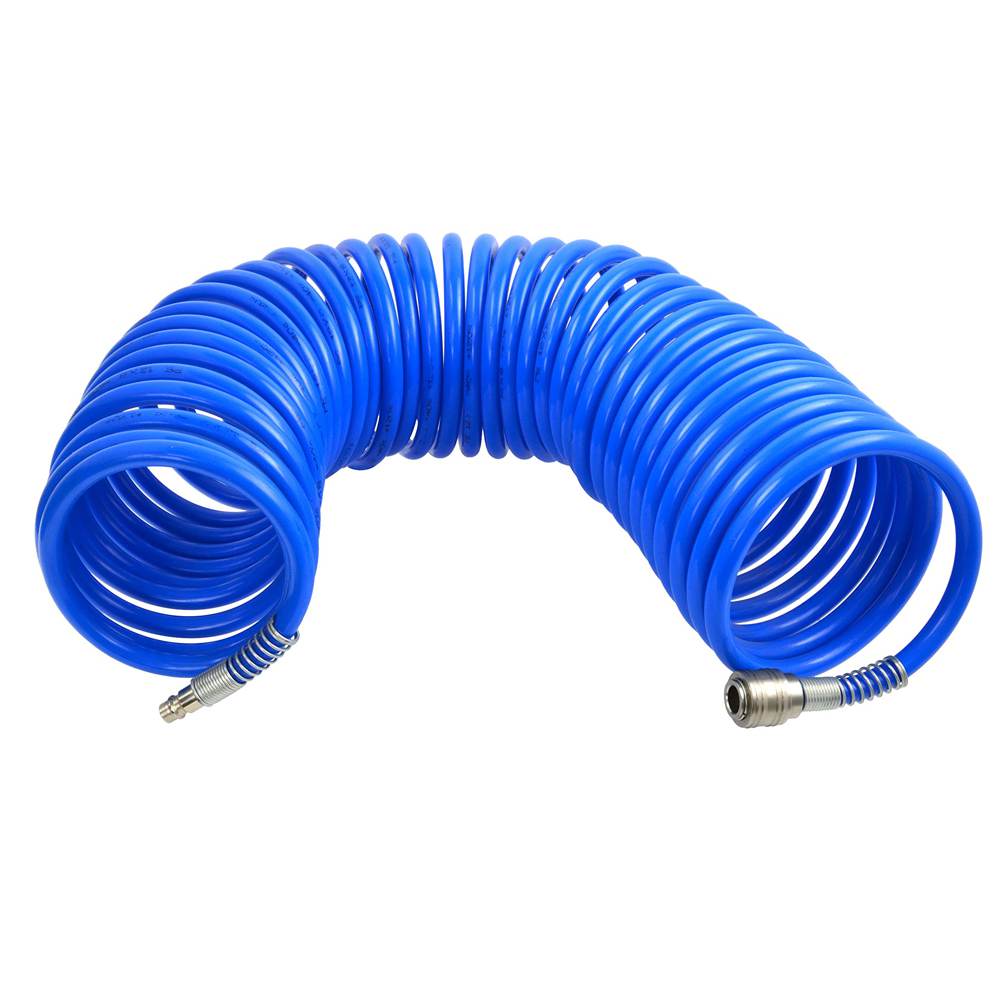
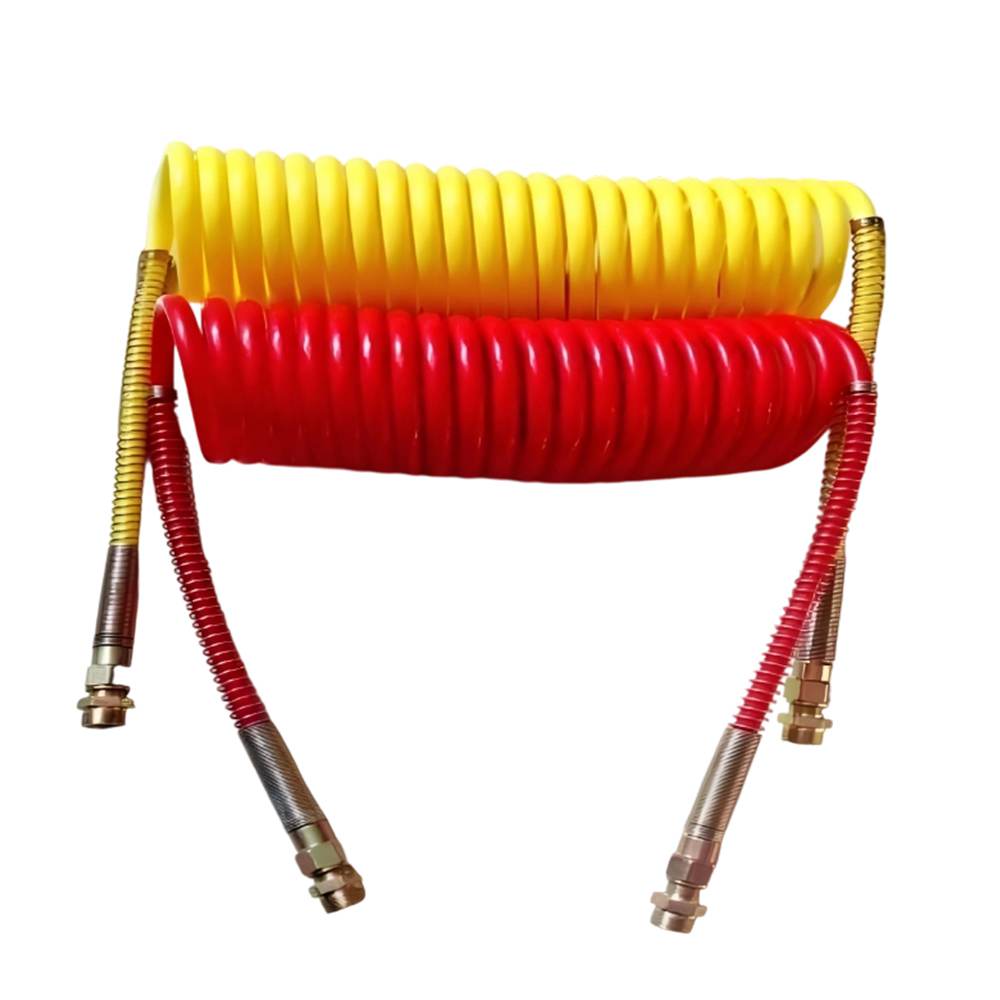
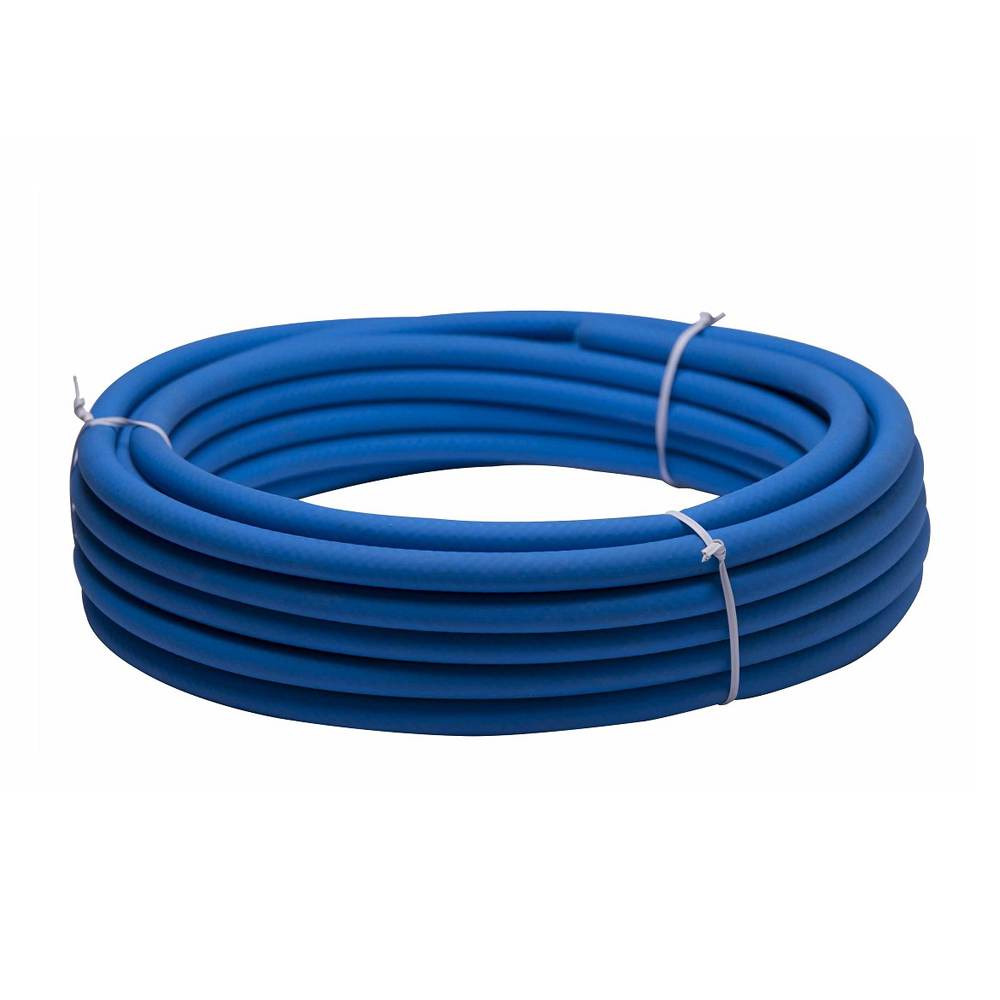


Different types of compressed air hoses
The common materials used for compressed air hoses include natural rubber, synthetic rubber (NBR, SBR), PVC and polyurethane (PU). Sinopulse offers various types of compressed air hoses in different materials to meet the needs of various applications.
The rubber compressed air hoses is made of rubber. This synthetic rubber (NBR, SBR) has wear resistance and weather resistance, and can also withstand high-pressure environments. The rubber compressed air hoses has a high degree of stretchability. Therefore, the rubber compressed air hoses can be used in heavy-duty industrial environments.
PVC compressed air hoses are lightweight and flexible, making them easy to maneuver. They have good resistance to abrasion and are suitable for applications that require low to medium pressure. PVC flexible hose is lightweight and economical, suitable for low-pressure short-distance transportation, commonly used in workshops, garages, and construction sites.
Nylon hoses are lightweight, flexible, and have good resistance to chemicals and oils. They are commonly used in industries such as automotive, food processing, and pharmaceuticals. Nylon hoses are also suitable for high-pressure applications.
Polyurethane hoses are highly flexible and have excellent resistance to kinks and abrasion. The polyurethane hose is resistant to high pressure and can withstand bending, making it suitable for supplying gas to precision equipment. They can withstand harsh weather conditions and are suitable for outdoor applications. Polyurethane hoses are commonly used in industries such as automotive, manufacturing, and construction.
Compressed Air Hose Applications
Compressed air hoses are widely used in various fields, including automotive repair, construction, manufacturing, and home improvement. They are commonly used with pneumatic tools such as air drills, impact wrenches, paint spray guns, and air compressors. The appropriate hose type and specifications should be selected based on the specific application requirements.
For power plant generator set maintenance, high-pressure synthetic rubber compressed air hoses are used, suitable for compressed air purging at 1.6 MPa pressure.
For small processing plants, lightweight PVC compressed air hoses are used, suitable for supplying compressed air to pneumatic tools at 0.8 MPa pressure.
For precision instrument factories, polyurethane compressed air hoses are used to provide stable low-pressure air supply to precision equipment, ensuring safe and efficient airflow in various scenarios.
How to Choose Air Compressor Hose
When selecting an air compressor hose, consider the following factors:
Application: Determine the specific application requirements, including the types of tools and equipment to be used.
Working pressure: Determine the maximum pressure that the air compressor can provide and choose a hose with a rated working pressure higher than this value.
Length: Consider the distance between the air compressor and the connected tools or equipment.
Diameter: Determine the air flow requirements of the tools and equipment and choose a hose with the appropriate diameter to ensure sufficient air flow.
Material: Consider the usage environment of the hose and choose a material with necessary durability, as well as resistance to wear, weathering and chemical corrosion.
REPLACING YOUR AIR HOSE
Over time, air hoses can become worn out, develop leaks, or lose their flexibility. It is important to regularly inspect your air hose for any signs of damage and replace it if necessary. When replacing your air hose, ensure that the new hose meets the required specifications and is compatible with your air compressor and tools.


Related Product
How to choose the right compressed air hose for your application
hose lenth
All lengths are good. The important thing to remember is to choose the length that you actually need.
Calculate the distance from the hose connection to the wall to the farthest point of use. The longer the hose, the greater the pressure drop. Choose the shortest hose possible for maximum performance and minimum pressure drop. But, still, make sure the hose is long enough to reach its full working range without being stretched, and allow for an extra meter or two of clearance for unexpected situations.
To minimise the risk of a pressure drop, you should never use a longer hose than you need. For example, a carpenter working at the same bench all day using a nail gun will only need a small hose length, whereas a tyre fitter who needs to manoeuvre around large vehicles while using an impact wrench, will require a longer hose length.
We recommend that you use a longer air hose rather than an extension lead with an air compressor, as the voltage drop from using an extension lead can cause the motor to overheat which will eventually lead to the compressor motor burning out.
hose size
Hose specifications usually list both the hose Outer Diameter (O.D.) and the Internal Diameter (I.D.). However, hose size refers to the hose I.D., rather than the hose O.D.
The hose O.D will depend on the thickness of the hose and reinforcement layer, while the hose I.D. determines the capacity of air the hose can carry.
Choose the inside diameter sizing based on the length of the compressed air hose and on the air consumption of the pneumatic tool or equipment. Do not oversize the hose: a larger hose is also more rigid and heavier.
working pressure
This will depend on the maximum pressure relevant to your air supply. The maximum working pressure of the hose must be equal or greater.
The hose specification may also list the burst pressure, which is the maximum pressure before the hose will rupture. Most hoses range offer a 3:1 Safety Factor, this means if the hose is rated at 21 bar / 300 psi working pressure, the burst pressure will be 63 bar / 900 psi. You should not use the burst pressure as an indication that the hose can be used above the maximum working pressure, the burst pressure is for manufacturing test purposes only.
HOSE MATERIAL
Hybrid Hose – The hybrid blend of polyurethane, PVC and rubber allows hybrid hose to be extremely flexible and durable, even in frigid temperatures. If you’ve ever been frustrated by air hose that kinks and is generally difficult to unravel, this is the choice for you.
Polyurethane Hose – Sometimes referred to as poly hose, polyurethane air hose is considered an “all-around” option. It weighs less than comparable hybrid and PVC options, which is a factor you’ll appreciate after you’ve dragged it around a job site all day. It also stays flexible in most conceivable working temperatures.
PVC Hose – PVC hose is very durable and abrasion resistent. It’s considered to be the economical option. While not as flexible as the above varieties, it’s great when working in warm weather. It’s also easy to maneuver around corners and obstacles without getting hung up.Type of hose (Standard or Coiled)
There are two types of hoses, Standard or Coiled, your application will determine which type of hose you require.
The material of the hose will affect the flexibility, weight, longevity, and performance therefore you will also need to ensure that the material is suitable for your application.
What is Coiled Air Hoses
Available in Polyurethane or Nylon, PCL’s coiled hoses are ideal for applications where space is tight. The coils are tensile and have a memory so when you let go of the hose, it shrinks back for easy storage, and leaves the work area clear of entanglements and trip hazards. Many factories use coiled hoses as they spring out of the way when they are not in u
The polyurethane (PU) hose product series are robust and durable, making them ideal for applications requiring a smaller bending radius, such as robots and pneumatic control machinery. PU hoses possess excellent resistance to fuels, oils, and abrasion, and are commonly used in medium-pressure applications.
Nylon also has excellent resistance to fuels, oils and abrasion. However, its heat resistance and chemical resistance are stronger than those of polyurethane (PU), and it can withstand higher working pressure. Therefore, it is recommended for high-pressure applications.
What is Standard Air Hoses
standard hoses lie flat, without bends or coils, some prefer standard air hoses because they don’t like the resistance in coiled hoses. You can loosely wrap the hose into loops for storage. Alternatively, you can mount them in a hose reel that can be wound up with a crank handle and mounted on a wall.
replace Air Hoses
Hoses naturally wear over time, the service life depends on several factors including the hose’s quality, material, frequency of use and maintenance. It is important to inspect your hose and fittings for damage regularly and before use. If there is a defect, you will need to replace the hose.
can i use hydraulic hose for compressed air
Its perfectly fine to use a hydraulic hose for air or water, but its cost preventive. Good hyd.hose will cost $7 a ft whereas a regular air hose may be less than $1 ft because you only need it to hold less than 200psi for most air applications.
Explore the full range of Air Hoses with Fittings